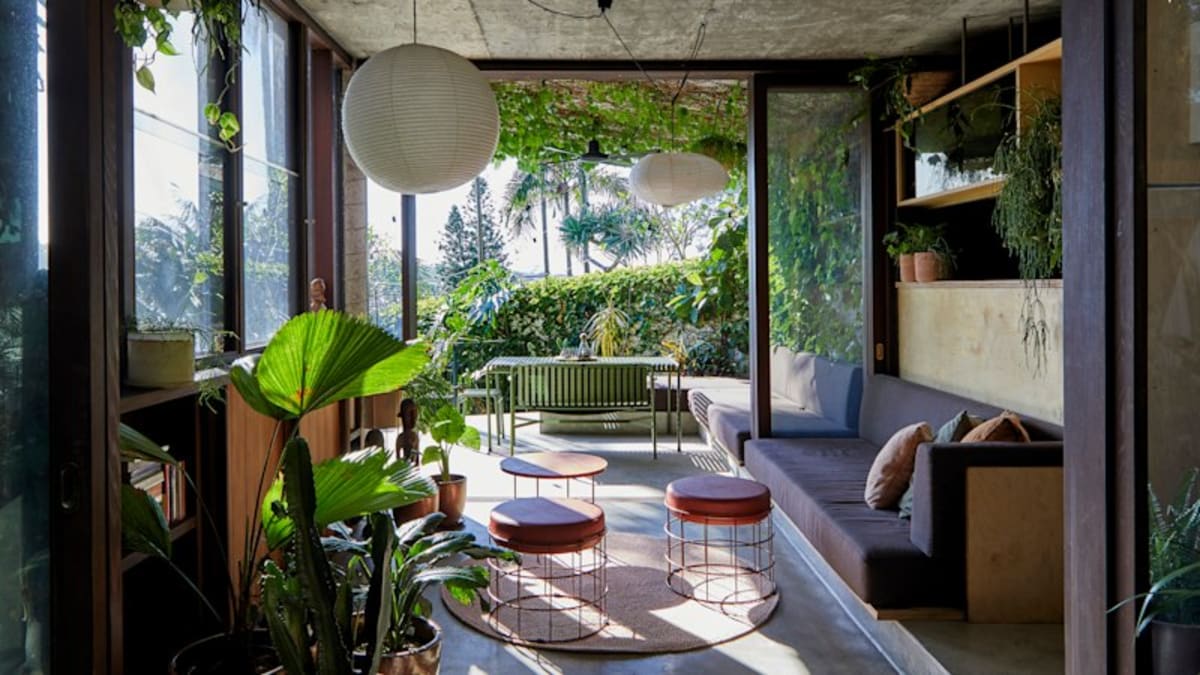
Have you ever stepped into a space and felt your shoulders instantly drop, your breath deepen, and the mental chatter of everyday life gently fade away? Architecture has an undeniable grip on our nervous system. While we often think of wellness in terms of nutrition, sleep tracking, and cardiovascular fitness, our built environment quietly shapes our physiological baseline every single day. Nowhere is this intimate connection between environment and vitality more striking than in thoughtful architectural transformations that bring nature and history together under one roof.
A stunning case in point is the revitalisation of a heritage-listed 1970s harbourside residence overlooking the iconic expanse of Sydney Harbour. Once bound by the idiosyncrasies of mid-century structural conventions, this remarkable property has been meticulously transformed into a three-level, four-bedroom sanctuary. By harmonising modernist influences with uninterrupted coastal vistas, the home stands as an inspiring masterclass in how residential design can nurture the human spirit.
The Healing Power of Coastal Modernism
Modernist architecture has always championed the idea that form must follow function, prioritising clean lines, structural honesty, and an unpretentious connection to the outdoors. When applied to a 1970s harbour dwelling, these modernist roots provide the ideal blueprint for emotional calm. The renovation strips back unnecessary clutter, allowing the home's essential geometry to frame the shimmering blue expanse of Sydney Harbour.
In environmental psychology, the measurable mental health benefit of water bodies is widely known as 'blue space' theory. Research demonstrates that proximity to aquatic environments stimulates mild meditative states, reduces systemic cortisol levels, and encourages psychological restoration. By opening up the residence's envelope to sweeping water views across all three tiers, the renovation invites this calming marine presence directly into everyday living routines.
Honouring Heritage While Cultivating Modern Wellness
Working within the parameters of a heritage-listed home presents a unique design dilemma: how do you respect the cultural memory of the structure while upgrading it for holistic, twenty-first-century living? Rather than fighting the building's historical bones, the transformation leans into its original 1970s character, using its heritage credentials as a bedrock for warmth and structural authenticity.
Preserving heritage is inherently aligned with sustainable living. Extending the lifespan of an existing structure reduces the immense carbon debt associated with demolition and rebuilds. In this residence, the interplay between vintage architectural integrity and modern finishes creates a grounded, timeless atmosphere. Natural stone surfaces, rich tactile timber millwork, and refined metal accents offer sensory grounding, countering the cold, sterile aesthetic that so often plagues contemporary luxury developments.
A Three-Level Symphony of Light and Spatial Flow
Distributing a home across three functional levels requires deliberate spatial planning, especially when fostering family connection while maintaining personal retreats. In this four-bedroom layout, circulation and light play paramount roles in supporting everyday well-being.
- Optimised Circadian Lighting: Expansive floor-to-ceiling glass apertures are strategically oriented to capture daylight transitions, supporting natural circadian rhythms from bright morning energy to the soft ambient glow of dusk.
- Passive Thermal Comfort: By taking full advantage of coastal sea breezes, the home promotes passive cross-ventilation, dramatically reducing dependence on artificial air circulation and flooding interiors with negative ion-rich sea air.
- Zoned for Restorative Living: The four bedrooms are thoughtfully compartmentalised away from central entertaining zones, creating restorative sleep sanctuaries that shield inhabitants from auditory and visual stimulation.
- Seamless Indoor-Outdoor Thresholds: Broad terraces and sheltered verandas blur the boundary between domestic interior and maritime exterior, making nature an effortless extension of daily rituals.
The Bedroom as a Restorative Sanctuary
In our hyper-connected world, restorative sleep has become the holy grail of preventive health. The reimagined four-bedroom configuration in this Sydney harbourside beauty treats private sleeping quarters not merely as functional rooms, but as deliberate sleep retreats. Modern sleep hygiene requires environments free of clutter, bathed in gentle acoustic insulation, and moderated by ambient air movement.
By placing bedrooms across distinct levels, each space affords an enviable degree of visual privacy and quietude. Waking up to the rhythmic cadence of harbour waters and natural morning luminescence sets a neurochemical tone of grounded alertness, far removed from the jarring alarm chimes of metropolitan life.
Key Takeaways: Bringing Architectural Wellness into Your Own Home
While few of us may live in a heritage-listed harbour residence, the core architectural principles that make this transformation so uplifting can be readily adapted to any domestic setting:
- Harness Natural Light Cycles: Keep window treatments light and unobstructed during morning hours to anchor your internal body clock, and embrace warmer, indirect lighting as sunset approaches.
- Embrace the Elements of Biophilic Design: Introduce organic textures such as natural woods, linen, and clay ceramics alongside indoor flora to soften sharp angles and calm the nervous system.
- Prioritise Quiet Zones: Protect your bedroom environment by treating it strictly as a zone for rest, reading, and intimacy, removing work desks and active screens where possible.
- Celebrate Structural Character: Rather than stripping out original vintage features during a renovation, seek creative ways to celebrate historical materials, giving your home depth, story, and soul.
The transformation of this 1970s harbourside jewel reminds us that great design is never purely about aesthetic prestige. When heritage preservation, modernist elegance, and natural light converge along the water's edge, architecture ceases to be just shelter—it becomes an enduring catalyst for holistic health and everyday peace.
Source Attribution: Article content originally reported by Susan Redman. Read original story coverage on Susan Redman →