The Great Shift at the Beauty Counter
Remember when slapping a green leaf logo and a “free-from” label on a moisturizer was the ultimate ticket to beauty stardom? For nearly a decade, the “clean beauty” movement swept through bathroom cabinets worldwide, convincing millions that natural was inherently superior and that synthetic ingredients were best avoided. Yet, if you have glanced at skincare shelves recently, you have likely noticed a dramatic vibe shift.
Today, shoppers are increasingly swapping botanical oils and vague purity promises for active ingredients backed by clinical trials: peptides, stabilized vitamin C, retinoids, and ceramides. In the world of targeted skincare, clinical efficacy has definitively stolen the spotlight. Shoppers want visible, measurable results for their hyperpigmentation and barrier repair, and “clean” credentials alone no longer seal the deal.
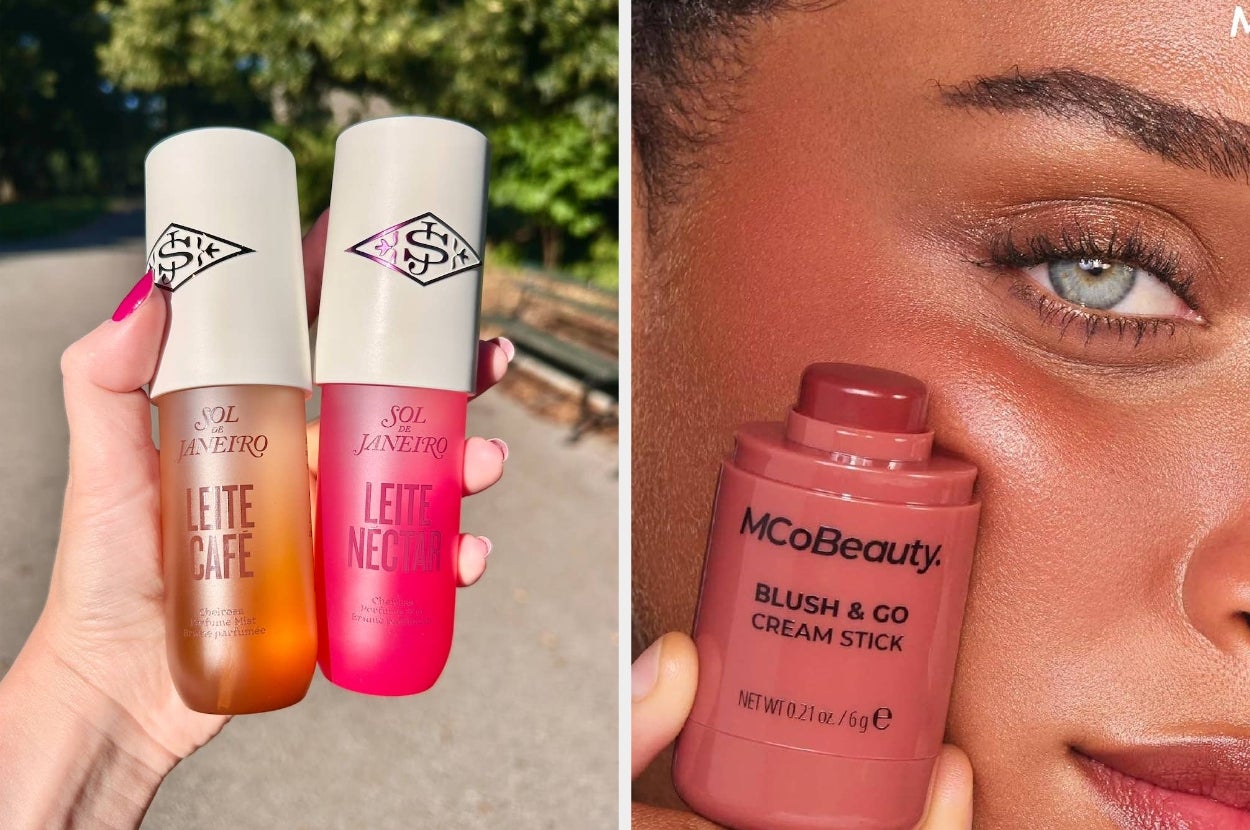
However, declaring the death of the clean beauty movement would be a fundamental mistake. While skincare enthusiasts are pivoting toward clinical science, the appetite for clean, conscious formulations has simply migrated. It is now powering an unprecedented revolution in two booming categories: color cosmetics and fine fragrance.
Why Skincare Consumers Moved from 'Clean' to 'Clinical'
To understand why makeup and fragrance are experiencing this surge, we first have to understand why clean skincare lost its luster. In the early days of clean beauty, the marketing often relied on fear-based messaging rather than proven performance. Consumers were told what was not in their serum rather than what it could actually achieve.
Over time, consumer literacy exploded. Armed with insights from dermatologists, cosmetic chemists, and peer-reviewed dermatology journals, beauty lovers realized that preservatives are not villains—they prevent dangerous microbial contamination. Furthermore, many discovered that unrefined essential oils and plant extracts can be potent allergens that trigger contact dermatitis and disrupt the skin barrier.
As economic pressures rose, shoppers demanded guaranteed returns on their investments. If a bottle costs seventy dollars, it needs to visibly diminish wrinkles or resolve persistent acne. Science-backed, clinically validated formulations delivered on those promises with consistency that botanical blends struggled to match.
The Makeup Counter Revolution: Pigment Meets Purity
While consumers want high-potency laboratory actives for treating complex skin conditions, their mindset changes when it comes to decorative cosmetics. Color products—such as foundations, blushes, mascaras, and lipsticks—sit on the skin all day, interact with mucosal membranes, and are frequently ingested in minute amounts over a lifetime.
Historically, the clean makeup sector struggled with notorious performance issues: chalky mineral foundations, mascaras that melted by noon, and lip products with underwhelming color payoffs. But modern cosmetic chemistry has changed the game entirely.
Formulation Advancements and Wearability
Today's clean cosmetics boast sophisticated pigment technologies, plant-derived silicon alternatives, and nourishing skincare bases. Clean cosmetic formulators have demonstrated that shoppers no longer need to sacrifice wear-time or vibrant color payoff to avoid controversial ingredients.
- Lip Care and Color Ingestion: Consumers are hyper-aware that whatever goes on their lips ends up partially ingested. High-performance lipsticks made without heavy-metal-contaminated colorants or petroleum derivatives have become daily essentials.
- Talc-Free Face Powders: Growing concerns regarding talc sourcing and asbestos contamination have fueled massive demand for finely milled alternatives formulated with cornstarch, rice powder, or responsibly sourced mica.
- Complexion-First Hybrids: Modern clean foundations act as extensions of daily skincare, delivering breathable, non-comedogenic coverage infused with barrier-loving squalane and soothing botanical lipids.
Fragrance: Opening the Black Box of the Perfume Industry
If makeup is experiencing a clean evolution, the fragrance world is undergoing a full-scale revolution. For generations, the perfume industry was protected by international trade secret laws that allowed brands to conceal hundreds of chemical compounds behind a single, enigmatic ingredient listing: “Parfum” or “Fragrance.”
While this secrecy guarded proprietary master formulas, it kept consumers in the dark regarding potential hormone disruptors, phthalates, synthetic musks, and common contact allergens. Today's fragrance buyers are unwilling to accept that lack of clarity.
The Rise of Radical Fragrance Transparency
The clean fragrance movement is fundamentally about disclosure and skin compatibility. Pioneering perfumers are crafting breathtaking, complex olfactory compositions while providing full transparency lists. Many are deliberately formulating without controversial fixatives like diethyl phthalate (DEP), choosing instead to utilize safe synthetics, bio-identical molecules, and responsibly harvested naturals.
Furthermore, clean perfumery has embraced functional wellness. Modern fragrances often incorporate aromatherapeutic accords designed to lower cortisol, promote focus, or evoke comfort, transforming fragrance from a passive luxury into an intentional act of self-care.
How to Navigate the New Era of Clean: A Conscious Consumer's Guide
As the conversation matures, navigating the beauty aisles requires discernment. “Clean” remains an unregulated marketing term in many jurisdictions, which makes consumer literacy your greatest asset.
- Look for Full Disclosure: In fragrance, prioritize brands that openly share their ingredient palettes and explain why specific safe synthetics or natural isolates were chosen.
- Demand Efficacy in Makeup: Do not compromise on wearability. Look for brands that conduct consumer wear tests and stability testing alongside their safety vetting.
- Embrace Safe Synthetics: Remember that “synthetic” is not a dirty word. Lab-engineered molecules are often more sustainable, more stable, and less allergenic than wild-harvested raw botanical materials.
- Mind the Shelf Life: Clean cosmetics formulated without aggressive traditional preservatives typically carry shorter expiration windows. Always check the Period After Opening (PAO) symbol—the little open jar icon indicating six, twelve, or twenty-four months.
Key Takeaways for Your Beauty Vanity
Understanding the shifting beauty landscape helps you invest your money where it counts most:
- Skincare has gone clinical: Shoppers prioritize dermatologist-backed actives, proven clinical trials, and barrier health over natural purity narratives.
- Clean cosmetics are surging: Formulation breakthroughs allow clean makeup to match the long-wearing, hyper-pigmented performance of legacy brands without questionable fillers.
- Fragrance demands transparency: The perfume industry is breaking its legacy of secrecy, driven by consumers who demand phthalate-free, non-irritating, fully disclosed formulas.
- The future is nuanced: The winning formula is no longer “all-natural,” but rather a smart union of transparent chemistry, green biology, and uncompromising performance.
The beauty industry's center of gravity has evolved. Rather than forcing a binary choice between pristine nature and cold chemistry, shoppers are demanding the best of both worlds: robust science to heal their skin, and radical transparency when it comes to adorning it.
Source Attribution: Article content originally reported by Daniela Morosini. Read original story coverage on Daniela Morosini →