When Lifestyle Trumps Cosmetic Perfection
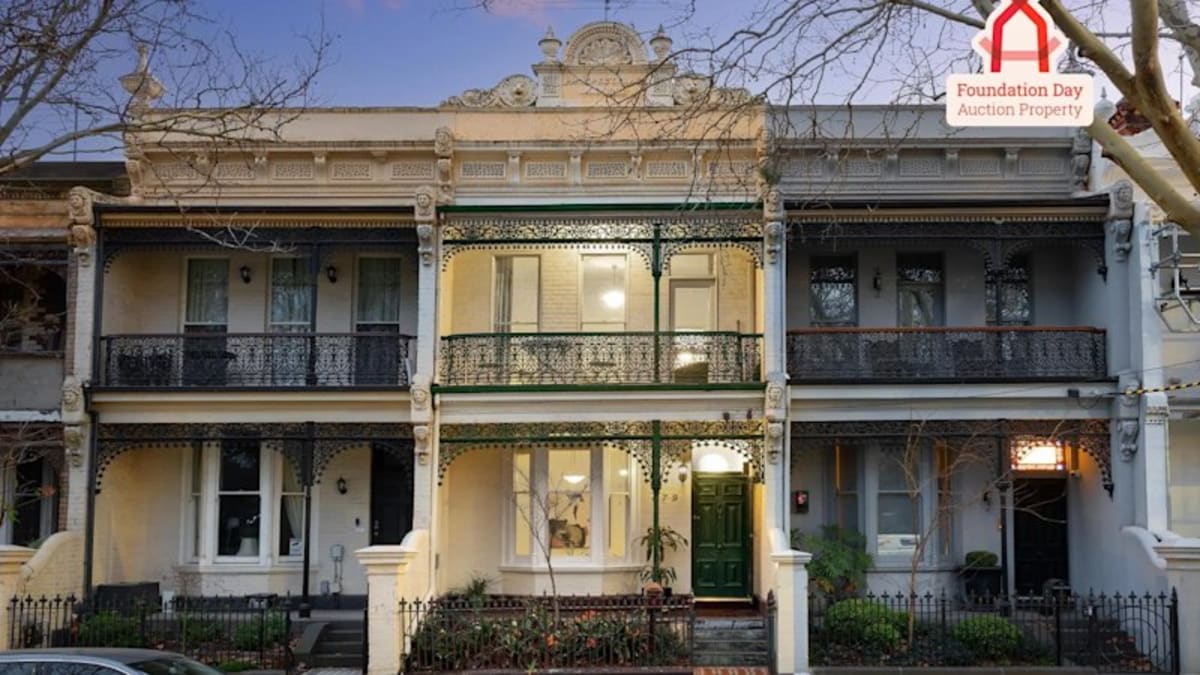
On a crisp Saturday morning, the energetic hum of an auction crowd filled the street as an iconic 1880s Victorian row house went under the hammer. When the dust finally settled, one fortunate family secured the keys to the inner-north terrace for an impressive $1,819,000, outbidding a determined couple. While the property boasted stunning, sweeping park views, it also held a quirk that might have deterred more cosmetic-minded buyers: untouched 1980s finishes in both the kitchen and bathroom.
Yet, looking past peach laminate countertops and dated tilework to see long-term value is becoming a hallmark of modern lifestyle-driven buyers. In today’s fast-paced world, the emotional connection to environment, natural light, and green space frequently outweighs immediate interior perfection. For this family, the promise of leafy mornings and timeless architectural character far eclipsed the short-term inconvenience of a future kitchen remodel.
The Biophilic Advantage: Why Parkside Living Is Worth the Premium
There is a distinct reason why homes directly bordering urban green spaces command fierce bidding wars. Decades of environmental psychology emphasize the tangible physiological and mental benefits of living adjacent to nature—a concept known in architecture and wellness as biophilic design.
Waking up to expansive park views directly outside your bedroom window isn’t just an aesthetic luxury; it is a neurological reset. Exposure to green canopies and wide open skies has been shown to lower baseline cortisol levels, reduce urban sensory fatigue, and encourage physical activity across all family members. When children have immediate, frictionless access to nature right across the street, screen time is naturally displaced by unstructured outdoor play.
By securing an address flanked by parkland, this family didn't just buy square footage; they bought daily sunlight, fresh air corridors, and an enduring sense of calm that dense inner-city living often struggles to provide.
Looking Past the 1980s Aesthetic: The Clean Slate Mindset
It takes vision to look at an unrenovated 1980s bathroom and see an opportunity rather than a hurdle. Many home hunters fall into the trap of turnkey obsession, paying steep markups for someone else’s rushed, generic interior choices. In contrast, acquiring a structurally solid 1880s terrace with outdated mid-century alterations gives homeowners an extraordinary canvas.
Rather than living with someone else’s fast-fashion design choices, the purchasers are positioned to execute a thoughtful, non-toxic, and functional renovation tailored precisely to how their household operates. A renovation in an older property offers a rare chance to address holistic home factors from the ground up:
- Indoor Air Quality: Older retrofits often contain synthetic sealants and obsolete ventilation. A modern overhaul allows for low-VOC paints, formaldehyde-free cabinetry, and high-efficiency extraction hoods.
- Thermal Efficiency: Traditional 1880s row houses are celebrated for their substantial brickwork, but they can be drafty. Thoughtful modern updates introduce double glazing and breathable insulation to stabilize internal temperatures year-round.
- Circadian Lighting: Updating decades-old layouts enables the introduction of skylights, lightwells, and warm-spectrum fixtures that align with natural circadian rhythms.
Preserving Heritage While Nurturing Modern Family Life
Victorian-era row houses hold an undeniable soul. Built in the late 19th century, these homes carry high ceilings, ornate cornices, and grounded brick structures that foster a sense of security and permanence. However, adapting them for contemporary life requires balancing historical reverence with ergonomic practicality.
The traditional footprint of an 1880s terrace often clustered service rooms—like sculleries and washhouses—toward the dark rear of the block. The 1980s renovations often perpetuated closed-off configurations. The exciting prospect for any renovator tackling this space is opening up sightlines toward the rear courtyard and front park, pulling sightlines directly through the core of the home.
When an interior connects seamlessly from front greenery to a private rear garden, cross-ventilation improves dramatically. This passive cooling effect keeps the home fresh naturally, diminishing the continuous need for mechanical air conditioning during sweltering summer afternoons.
Actionable Steps for Mindful Home Renovations
If you find yourself holding the keys to a vintage character home with outdated interiors, approaching the overhaul through a wellness and lifestyle lens ensures long-term satisfaction. Here is how experts recommend approaching the transformation:
- Live in the space first: Before knocking down walls or replacing cabinetry, spend at least three to six months observing how the sun moves through the rooms and how your daily routines naturally unfold.
- Prioritize natural materials: Choose unsealed timber, natural stone, lime washes, and clay plasters. These breathable finishes regulate humidity and age gracefully over time.
- Design the kitchen for community: Modern kitchens are emotional anchor points. Prioritize ample island prep space and intuitive flow so that cooking becomes a collaborative family ritual rather than an isolated chore.
- Protect the perimeter views: Frame your windows carefully. Never install heavy drapery or bulky joinery that obstructs clear vistas of nearby trees, parks, or garden greenery.
Key Takeaways
The $1,819,000 auction of this inner-north terrace tells an inspiring story about prioritization. While cosmetic updates like sleek tile and bespoke joinery can always be added over time, irreplaceable features—such as deep 1880s architectural soul and uninterrupted park frontage—cannot be retrofitted later.
By prioritizing location, community infrastructure, and direct access to green space, this growing family made an investment that will pay dividends not just on a property balance sheet, but in their daily peace of mind, physical vitality, and family happiness for decades to come.
Source Attribution: Article content originally reported by Emily Power. Read original story coverage on Emily Power →