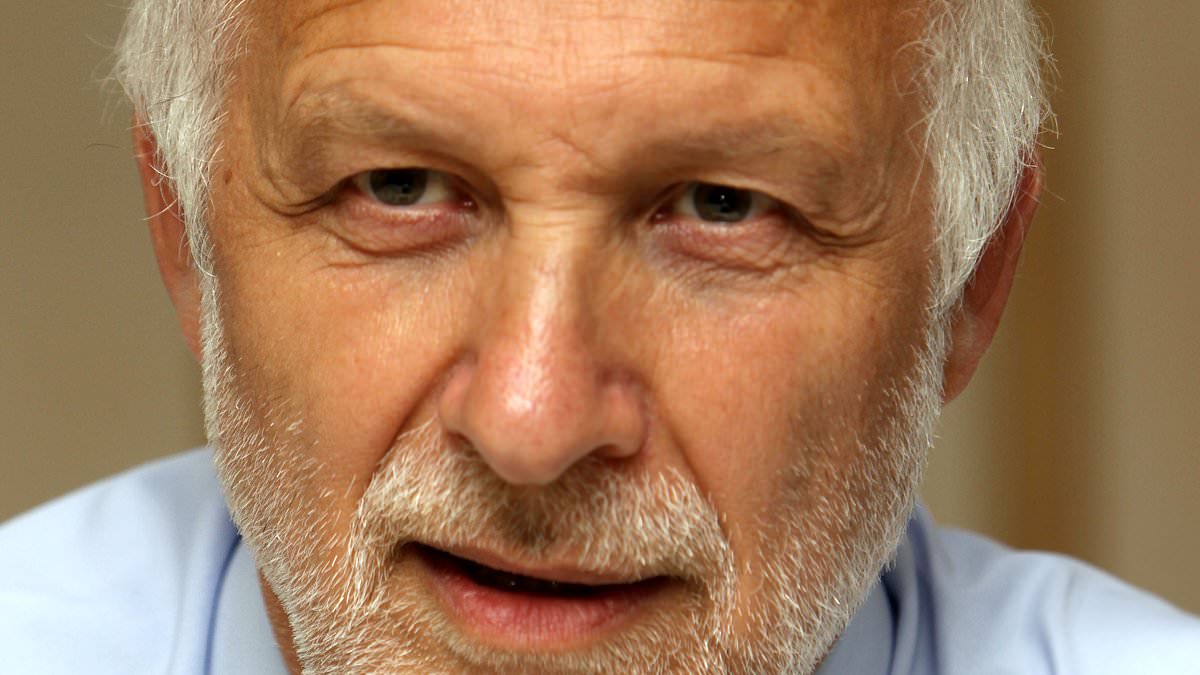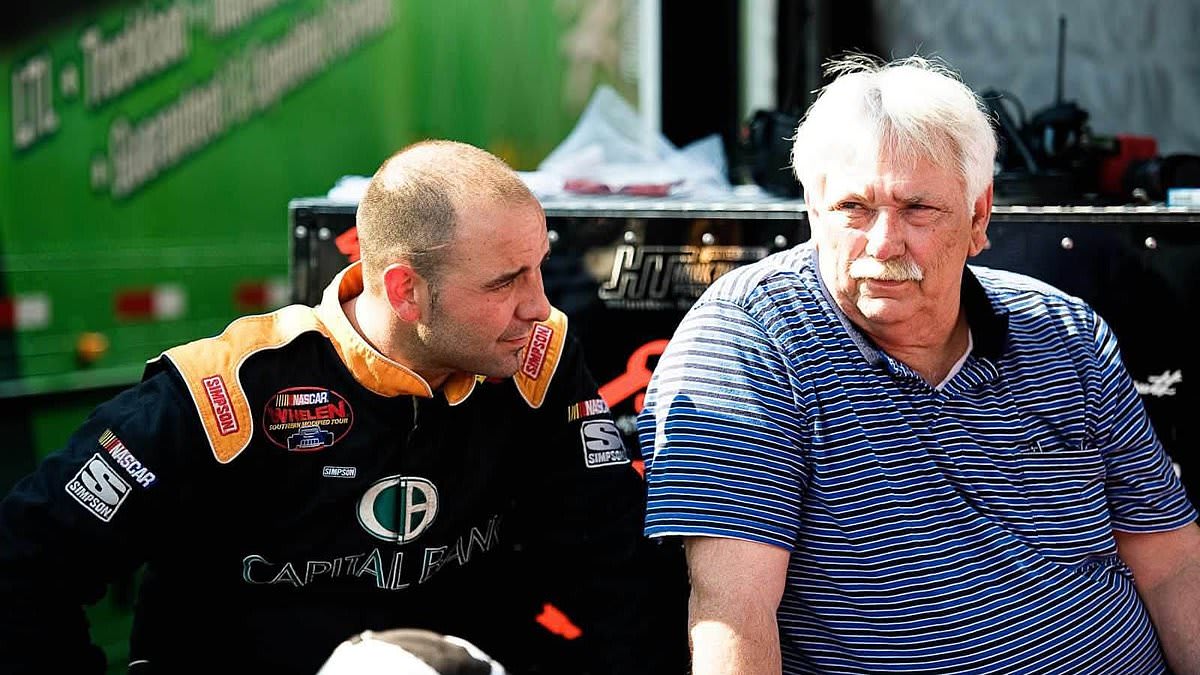
There is a profound, echoing silence that falls over the racing world when an engine finally falls quiet. On Friday, that somber stillness swept across tracks, garages, and living rooms nationwide as the family of a celebrated NASCAR legend confirmed his passing at the age of 76. The announcement ignited an immediate, heartfelt outpouring of tributes from fellow drivers, team mechanics, pit crews, and multiple generations of fans whose weekends were defined by the roar of his machine.
When a figure who spent decades maneuvering at 200 miles per hour departs, the shock waves reverberate far beyond the asphalt. For millions of enthusiasts, motorsports icons are woven into the very fabric of family traditions, childhood memories, and personal identity. Examining this sudden departure through both a cultural and wellness lens reveals much about human resilience, how we process collective bereavement, and why honoring our athletic heroes is so vital to our emotional well-being.
The Heart of American Motorsports: A Life Built on Passion and Grit
Stock car racing has never been just another sport; it is an endurance test of nerves, reflex, and raw mechanical grit. To thrive at the highest level of NASCAR requires an extraordinary physiological and mental constitution. The legend, whose death at 76 was met with profound sorrow, embodied the fearless ethos of racing’s golden era.
Throughout his storied career, he represented the bridge between motorsport’s grassroots heritage and its modern, high-tech stadium era. Colleagues remember him not only for his ruthless competitiveness on the speedway, but for his humility, accessibility, and mentorship in the garage bays. While his family leads the private mourning process, the wider racing community stands shoulder-to-shoulder with them, sharing stories of his kindness, sportsmanship, and indomitable spirit.
The Psychology of Sports Grief: Why We Mourn Public Figures So Deeply
When news of a legendary athlete’s passing breaks, many people are surprised by the depth of their own sorrow. You might find yourself tearing up over someone you never met in person, wondering why the loss feels so intensely personal. In health psychology, this phenomenon is widely recognized and completely normal.
Sports icons often serve as emotional anchors in our lives. Here is why the loss of a racing hero strikes such a resonant chord:
- Shared Generational Memories: Sunday races are rarely watched in isolation. They are frequently shared with parents, grandparents, siblings, and lifelong friends. Losing an icon often revives memories of loved ones who shared those race-day rituals with us.
- Parasocial Connection: Watching an athlete persevere through harrowing crashes, career setbacks, and thrilling victories fosters an authentic sense of intimacy. We root for their character, not just their car.
- Reminders of Our Own Mortality: Seeing a vibrant, seemingly invincible figure reach the end of life prompts quiet self-reflection about the passage of time, aging, and what matters most in our own journeys.
The Physical and Mental Demands of Professional Racing
From an athletic health perspective, motorsports place an extraordinary strain on the human body that few outside the pit wall fully grasp. Drivers regularly sustain heart rates in excess of 150 to 170 beats per minute for three to four hours continuously, all while strapped into cockpits that can reach blistering temperatures upwards of 130 degrees Fahrenheit.
The extreme cardiovascular demand, combined with intense gravitational forces during cornering, demands peak aerobic fitness and mental focus. As drivers age and step away from the cockpit, transitioning toward retirement often requires deliberate lifestyle adjustments. Maintaining cardiovascular health, managing joint inflammation from decades of vibration and past impact injuries, and finding new avenues for purpose are essential pillars for long-term well-being after a career lived in the fast lane.
Coping with Loss: Practical Steps for Emotional Well-Being
Grief is a multifaceted journey that defies tidy schedules or straightforward solutions. Whether you are processing the death of a sports icon who inspired your youth or supporting family members through personal tragedy, gentle and deliberate steps can help nurture emotional resilience.
1. Acknowledge and Validate the Emotion
Give yourself permission to feel genuine sorrow without judgment. Suppressing emotions because someone was a public figure rather than an immediate relative only prolongs distress. Acknowledging that an icon meant something profound to your life is the first step toward finding peace.
2. Channel Grief Into Commemoration
Transforming grief into tangible tribute helps restore a sense of agency and purpose. Consider writing a note of gratitude, sharing a favorite race memory with friends, or supporting charitable initiatives championed by the driver’s family. Positive action helps carry forward the principles the icon stood for.
3. Lean on Community
The beauty of the motorsports fraternity lies in its extraordinary solidarity. Engaging in fan forums, community gatherings, or local track memorials provides a shared space to reflect, listen, and remember that you are never navigating loss alone.
Key Takeaways: Honoring a Life Well Lived
- Legacy Transcends Trophies: While checkered flags and podium finishes capture headlines, the enduring impact of a legend is measured by character, sportsmanship, and how they treated others along the way.
- Collective Mourning Is Healing: Sharing public condolences and connecting with fellow supporters is a constructive, healthy avenue for processing complex emotions.
- Preserve the Heritage: The best way to honor those who shaped our past is to pass down their stories, lessons, and tenacity to the next generation of competitors and fans alike.
As the family of this beloved 76-year-old NASCAR icon begins the difficult path of saying their final goodbyes, the wider motorsport community offers its collective gratitude. His presence will forever be missed on the track, but the roar of his legacy will echo through every turn, lap, and restart for decades to come.
Source Attribution: Article content originally reported by James Cohen. Read original story coverage on James Cohen →