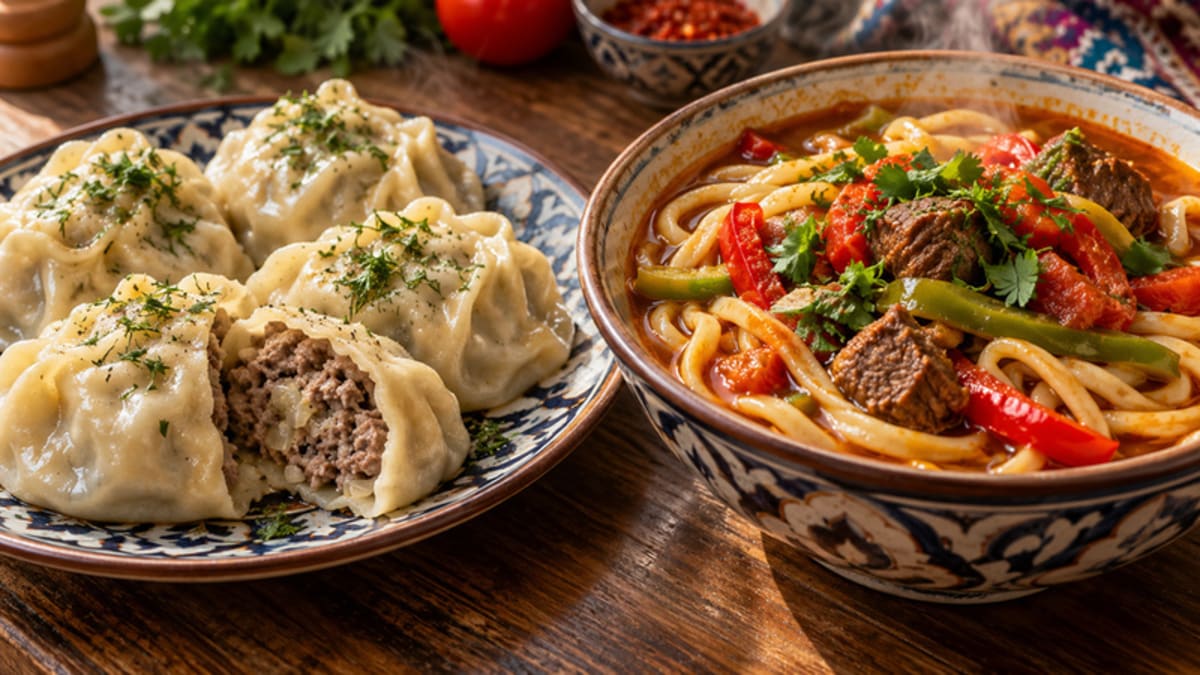
When you sit down to a traditional Central Asian meal, the spread is almost legendary in its generosity. Platers of steaming tender meat, fragrant hand-pulled noodles, savory pastries, and steaming bowls of rich bone broth tell a story of centuries spent navigating rugged mountain landscapes and pastoral nomadic life. For generations across Kyrgyzstan and broader Central Asia, these energy-dense dishes sustained active communities through harsh winters and physically demanding routines.
In today's more sedentary world, however, health-conscious eaters frequently ask a difficult question: Must we completely give up beloved cultural dishes like beshbarmak, kuurdak, and manty in the pursuit of longevity and metabolic health? According to endocrinologists and clinical nutrition specialists, the answer is a resounding no. The secret to bridging cultural heritage and modern wellness lies not in total elimination, but in intelligent portion control, nutrient pacing, and understanding the metabolic science of how our bodies process food.
The Nomadic Heritage and Metabolic Reality
Traditional Kyrgyz gastronomy was forged in high-altitude environments where physical labor was constant and caloric needs were elevated. Diets centered around nutrient-dense staples: pasture-raised horsemeat, mutton, beef, rich animal fats, whole grains, and a diverse range of fermented dairy products. In that historical context, high-calorie and fat-rich foods were essential survival tools against extreme climates.
Today, our daily physical energy expenditure looks vastly different. Sitting at office desks, commuting in vehicles, and living in temperature-controlled homes have reduced our daily caloric requirements. When energy-dense meals meet a lower activity profile, the body naturally stores surplus energy, increasing the long-term risk of insulin resistance, elevated blood lipids, and metabolic dysfunction.
Endocrinologists emphasize that the food itself is rarely inherently toxic; rather, it is the chronic mismatch between caloric density and metabolic expenditure that causes health challenges. By recognizing this distinction, individuals can enjoy their heritage without compromising their health goals.
The Core Principle: Smart Portion Control Over Deprivation
Restorative endocrinology teaches that extreme dietary restrictions rarely succeed long-term. Cutting out cultural staples often leads to nutritional fatigue, social isolation, and eventual overeating. Instead, portion control offers a sustainable pathway to metabolic balance.
When approaching a classic dish like beshbarmak—traditionally composed of finely minced boiled meat served over flat noodles and bathed in a concentrated onion broth (chyk)—the ratio of ingredients matters immensely. Rather than filling the plate predominantly with refined dough, modern nutritional guidelines suggest flipping the proportion:
- Prioritize the Protein: Focus on generous servings of lean boiled meat, which provides satiety-inducing essential amino acids and micronutrients such as iron and zinc.
- Moderate the Carbohydrates: Treat the handmade noodles as an accompaniment rather than the primary base of the meal. A modest fist-sized portion delivers energy and satisfaction without causing sharp glucose spikes.
- Savor the Broth: Rich, slow-simmered bone broths (sorpo) contain amino acids like glycine, which support connective tissue, gut barrier integrity, and early meal satiety.
Harnessing Central Asia's Native Superfoods
While Western wellness conversations often center on trendy exotic berries or boutique powders, the Central Asian culinary landscape already boasts indigenous superfoods that support metabolic and digestive health:
- Fermented Dairy (Kymyz and Ayran): Fermented mare’s milk (kymyz) and yogurt-based drinks like ayran are naturally loaded with beneficial probiotics, bioactive peptides, and organic acids that cultivate a resilient gut microbiome. A thriving microbiome directly correlates with improved glycemic regulation and lower inflammation.
- Lean Red Meats: Pasture-fed horsemeat and lean cuts of mutton offer remarkable nutritional profiles. Horsemeat, in particular, is naturally lean, rich in polyunsaturated fatty acids, and high in readily absorbable iron, making it an exceptional protein source when prepared boiled or braised.
- Kurut: These dried fermented cheese spheres offer a portable, shelf-stable source of calcium and concentrated protein, perfect for curbing mid-day hunger without reaching for ultra-processed snacks.
Actionable Strategies for Balanced Heritage Dining
Adapting traditional eating patterns for long-term health does not require altering family recipes into unrecognizable versions. Instead, endocrinologists advise adopting practical mealtime habits that naturally regulate blood sugar and hormone responses:
1. Lead with Fiber and Raw Vegetables
Traditional feasts often jump straight into bread, pastries, and rich proteins. Preloading meals with fresh vegetable salads—such as crisp cucumbers, ripe tomatoes, radishes, and leafy greens dressed lightly with vinegar and cold-pressed oil—creates a protective fiber mesh in the digestive tract. This fiber matrix slows carbohydrate absorption, blunting post-meal glucose spikes.
2. Embrace the Rhythm of Mindful Pacing
Nomadic hospitality encourages long, shared meals and lively conversation. Lean into this cultural practice by eating slowly. It takes roughly twenty minutes for gut hormones like cholecystokinin (CCK) and peptide YY to signal to your brain that you are comfortably full. Chewing deliberately and putting utensils down between bites prevents the uncomfortable fullness that often accompanies rapid dining.
3. Be Selective with Pastries and Liquid Sugars
Savory fried dough items like boorsok and samsa are celebratory treats. Rather than consuming them daily as casual accompaniments, view them as deliberate indulgences. Similarly, swapping sweetened teas and commercial juices for traditional herbal infusions or unsweetened green tea helps preserve insulin sensitivity and eliminates unnecessary empty calories.
Key Takeaways for Long-Term Wellness
- Culture and health can coexist: You do not need to abandon Kyrgyz traditional cuisine to maintain cardiovascular fitness and a healthy weight.
- Portion control is key: Modulate the carbohydrate-to-protein ratio on your plate, allowing meat and nutrient-dense broths to take center stage over heavy dough portions.
- Leverage ancestral superfoods: Regularly incorporate probiotic fermented dairy, clear bone broths, and lean pasture-raised meats into your weekly routine.
- Sequence your courses: Start your dining experience with crisp salads, clear broths, and hydration before moving to dense entrées.
Ultimately, wellness is not about erasing cultural roots to follow fleeting dietary trends. By marrying the wisdom of endocrinology with time-honored culinary traditions, it is entirely possible to honor your heritage at the dining table while cultivating vitality, metabolic strength, and longevity for decades to come.
Source Attribution: Article content originally reported by Currents Source. Read original story coverage on Currents Source →