When unexpected cardiovascular emergencies dominate headlines, they serve as a sobering, urgent reminder of how fragile our most vital organ can be. Cardiovascular issues frequently strike without the dramatic, cinematic warning signs people typically expect. Instead, arterial plaques, silent inflammation, and cardiac arrhythmias often develop quietly over decades, earning heart disease its reputation as a silent killer. Taking charge of your heart health cannot wait for an emergency; proactive, daily decisions are your best defense.
The Anatomy of a Sudden Cardiac Event
To protect your cardiovascular system, it is vital to first understand what actually happens during severe cardiac emergencies. People frequently conflate a heart attack with sudden cardiac arrest, yet they represent two distinct medical emergencies with completely different physiological mechanisms.
A heart attack (myocardial infarction) is fundamentally a circulatory or "plumbing" failure. It occurs when blood flow to a specific section of the heart muscle becomes blocked, usually due to a ruptured plaque or blood clot within a coronary artery. Deprived of oxygenated blood, the tissue begins to sustain damage.
Conversely, sudden cardiac arrest is an electrical malfunction. The heart's intricate pacing system abruptly short-circuits, triggering chaotic rhythms such as ventricular fibrillation. As a result, the heart stops pumping blood entirely, leading to immediate loss of consciousness and cessation of normal breathing. While a heart attack can trigger cardiac arrest, cardiac arrest can also arise from underlying structural defects, severe electrolyte imbalances, or hereditary electrical disorders.
Why Modern Heart Disease Often Remains Silent
One of the greatest hurdles in cardiology is that arterial narrowing and chronic hypertension rarely produce noticeable symptoms until significant damage has already occurred. You can feel completely energetic, carry on with work, and climb stairs without realizing that endothelial inflammation is gradually stiffening your vessels.
Modern lifestyle patterns—prolonged sedentary hours, chronic mental stress, nutrient-depleted processed foods, and fragmented sleep—compound this risk over time. Fortunately, scientific consensus consistently demonstrates that up to 80% of premature cardiovascular events are preventable through targeted lifestyle adjustments, routine diagnostic screenings, and consistent daily habits.
6 Science-Backed Habits to Protect Your Heart Starting Today
Building cardiovascular resilience does not require an extreme lifestyle overhaul overnight. Sustainable, incremental shifts in your daily routine yield profound long-term compounding benefits for your arteries, heart muscle, and metabolic health.
1. Prioritize Whole, Micronutrient-Dense Nutrition
Your blood vessels respond directly to what you eat. Diets heavy in ultra-processed ingredients, industrial seed oils, refined sugars, and excess sodium trigger systemic inflammation and elevate small, dense LDL particles that penetrate arterial walls.
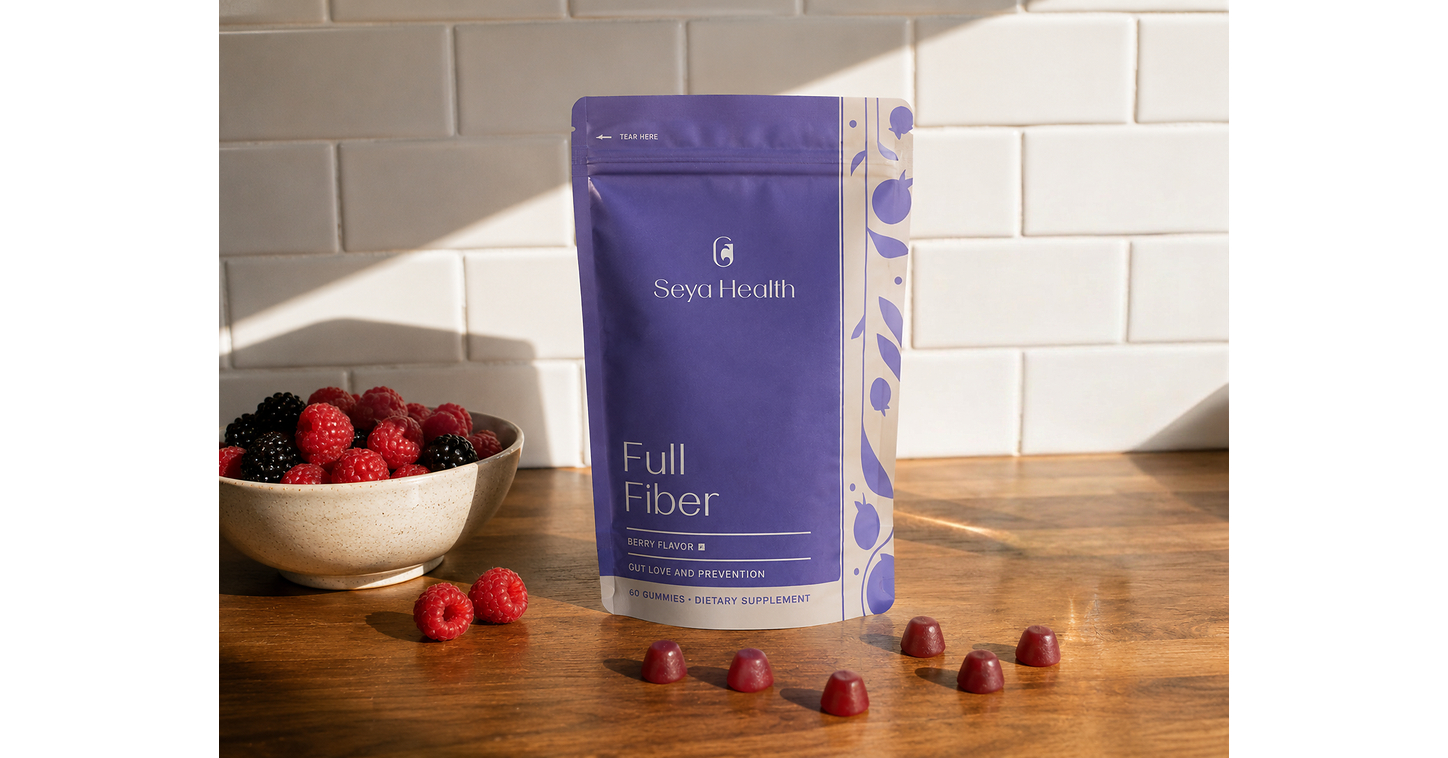
- Emphasize soluble fiber: Legumes, oats, chia seeds, and berries help trap cholesterol in the digestive tract, encouraging healthy clearance.
- Choose heart-healthy fats: Incorporate extra virgin olive oil, avocados, walnuts, and wild-caught oily fish rich in omega-3 fatty acids (EPA and DHA), which reduce triglycerides and stabilize arterial walls.
- Watch sodium and potassium balance: While curbing excess sodium from packaged snacks is helpful, ensuring adequate potassium from leafy greens, sweet potatoes, and bananas helps blood vessels relax and maintains healthy blood pressure levels.
2. Incorporate Consistent Aerobic and Resistance Movement
Exercise acts as medicine for your cardiovascular system by improving vascular elasticity, boosting nitric oxide production, and lowering resting heart rate. Aim for a balanced blend of both aerobic conditioning and strength training.
- Zone 2 cardio: Engage in 150 minutes per week of moderate-intensity activity (such as brisk walking, cycling, or swimming) where you can hold a conversation with slight effort. This builds mitochondrial density and strengthens the heart's stroke volume.
- Resistance training: Lifting weights or performing bodyweight resistance 2 to 3 days weekly improves insulin sensitivity, taking pressure off the cardiovascular system.
3. Regulate Chronic Stress and the Autonomic Nervous System
Prolonged psychological stress is not merely an emotional burden; it takes a direct physical toll on your heart. Sustained surges of cortisol and adrenaline increase baseline vascular tone, elevate blood pressure, and heighten platelet aggregation, making blood more prone to clotting.
Carve out intentional pauses throughout the day. Techniques like slow diaphragmatic breathing, coherent box breathing (four seconds in, four seconds hold, four seconds out, four seconds hold), nature walks, and setting firm boundaries with digital devices help reactivate the parasympathetic nervous system, easing cardiovascular strain.
4. Protect Your Sleep Duration and Sleep Quality
Sleep is when your cardiovascular system undergoes essential biological repair. During deep, slow-wave sleep, your heart rate dips and blood pressure naturally drops—a restorative phenomenon known as "nocturnal dipping."
Consistently sleeping fewer than seven hours, or suffering from untreated conditions like obstructive sleep apnea, deprives the heart of this crucial downtime. Sleep deprivation triggers elevated sympathetic activity, spike-prone blood glucose, and chronic systemic inflammation. Maintain a consistent sleep schedule and address persistent snoring or daytime fatigue with a physician.
5. Schedule Comprehensive, Routine Biomarker Screenings
Do not wait for physical symptoms to appear before checking your numbers. Many critical cardiovascular markers fluctuate silently for years. Partner with your primary care provider to track essential health indicators regularly:
- Blood Pressure: Strive for readings consistently under 120/80 mmHg.
- Advanced Lipid Profiles: Look beyond basic total cholesterol by testing Apolipoprotein B (ApoB) and Lipoprotein(a), which offer a far clearer assessment of atherogenic particle count.
- Metabolic Markers: Keep tabs on fasting glucose, HbA1c, and fasting insulin to detect early insulin resistance.
- Inflammatory Markers: High-sensitivity C-reactive protein (hs-CRP) provides insight into low-grade vascular inflammation.
6. Eliminate Tobacco and Re-Evaluate Alcohol Intake
Smoking and vaping introduce toxic compounds directly into your bloodstream, stripping away the delicate endothelial lining of your arteries and accelerating plaque accumulation. Ceasing nicotine use produces nearly immediate cardiovascular improvements, with risks dropping significantly within months of quitting. Similarly, reducing alcohol consumption helps stabilize resting heart rates and lowers the risk of developing atrial arrhythmias.
Key Takeaways for Long-Term Cardiovascular Longevity
Heart disease should never be treated as an inevitable consequence of aging. While genetics certainly play a foundational role, your everyday lifestyle choices powerfully influence gene expression and overall vascular function.
- Know your baseline: Schedule regular preventive checkups and request comprehensive lipid and metabolic panels.
- Move every day: Blend low-intensity aerobic conditioning with regular strength training.
- Eat real food: Center meals around anti-inflammatory whole foods, rich fiber sources, and healthy fats.
- Listen to your body: Never dismiss unusual shortness of breath, unexplained exhaustion, fluttering heartbeats, or chest tightness.
Cardiovascular health is built through quiet, repeated daily habits. By implementing even two or three of these practical steps today, you give your heart the protective foundation it needs for decades of vibrant living.
Source Attribution: Article content originally reported by Trending Desk. Read original story coverage on Trending Desk →