Every autumn, millions of vibrant orange gourds line front porches, carved into festive faces for Halloween night. Yet, once the holiday passes, the overwhelming majority of these festive vegetables end up straight in the landfill or compost bin. It is an annual ritual that overlooks one remarkable culinary and biological fact: every single part of a pumpkin is edible, delicious, and an absolute nutritional gold mine.
From its mineral-dense seeds to its nutrient-rich skin and fibrous innards, this quintessential fall staple offers an extraordinary concentration of plant-based protein, antioxidants, and dietary fiber. Rethinking how you handle your seasonal squash cannot only elevate your autumn cooking, but also dramatically cut down on seasonal food waste while fueling your body with vital micronutrients.
The Nutritional Treasure Trove Hidden in Plain Sight
Botanically classified as a fruit though treated culinarily as a vegetable, pumpkin belongs to the Cucurbitaceae family alongside squashes, cucumbers, and melons. While many people only experience pumpkin through spiced lattes or sweetened holiday pies, whole culinary pumpkins are nutritional powerhouses with impressive profiles across all their components.
The hallmark rich orange pigment found throughout the pumpkin comes from beta-carotene, a potent antioxidant that the human body converts into vitamin A. Vitamin A plays an indispensable role in maintaining sharp vision, bolstering immune system defense, and promoting cellular turnover for healthy, glowing skin. Additionally, pumpkins boast high amounts of vitamin C, potassium, and protective polyphenols, all wrapped in a low-calorie, water-rich matrix that naturally supports metabolic balance and cellular hydration.
The Protein-Packed Secret: Pumpkin Seeds
If you have ever discarded the slippery, gooey interior while scooping out a pumpkin, you have unwittingly thrown away one of nature's best plant-based protein sources. Pumpkin seeds—often referred to as pepitas when hulled—are arguably the most concentrated source of nutrition in the entire gourd.
A single one-ounce serving (about a handful) of roasted pumpkin seeds packs roughly 7 to 9 grams of high-quality plant protein. This makes them competitive with traditional animal proteins ounce for ounce, while supplying zero dietary cholesterol. Furthermore, pumpkin seeds are loaded with functional nutrients that modern diets frequently lack:
- Magnesium: Essential for more than 300 biochemical reactions in the body, including regulating blood pressure, muscle relaxation, and blood glucose management.
- Zinc: A critical mineral that supports cellular repair, optimal immune defense, and testosterone regulation.
- Tryptophan: An amino acid precursor to serotonin and melatonin, the neurotransmitters responsible for mood regulation and restful, deep sleep.
- Cardioprotective Fats: High levels of monounsaturated and polyunsaturated fatty acids that support balanced lipid profiles and vascular flexibility.
Beyond the Seeds: How to Eat the Skin and Innards
Most home cooks are comfortable roasting the dense flesh of a pumpkin, but the skin and stringy fibrous innards are routinely discarded. Making use of these underutilized components is simpler than you might think.
1. The Skin (Rind)
While mature field pumpkins bred purely for carving can sometimes have thicker, tougher rinds, culinary varieties—such as sugar pumpkins, kabocha, and butternut squash—feature completely edible skins. As the pumpkin roasts or simmers, the outer peel softens significantly, offering a slightly earthy, pleasant bite packed with insoluble fiber that supports gut microbiome diversity and healthy digestion. If you slice your pumpkin into wedges, simply leave the skin on before tossing with olive oil, sea salt, and warm spices.
2. The Fibrous Guts and Pulp
The stringy orange mesh that holds the seeds in place is often deemed unappealing, but it is deeply concentrated with pumpkin flavor and soluble pectin. Rather than scraping it into the trash, use these innards to create a rich, golden vegetable stock. Simmering the stringy fibers alongside onion ends, celery, carrots, and herbs yields a fragrant, nutrient-dense base perfect for autumn risottos, stews, and warming broths. Alternatively, you can puree the cooked pulp directly into soups or smoothies for extra body and micronutrients.
Culinary Inspiration: Zero-Waste Pumpkin Preparation
Transforming your pumpkin from decorative novelty to wholesome table fare takes just a few thoughtful techniques in the kitchen. Here is a practical roadmap for maximizing every piece:
- Crispy Oven-Roasted Seeds: Rinse the seeds in cold water to remove excess pulp, pat them completely dry with a clean towel, and toss them with avocado oil, smoked paprika, garlic powder, and flaked sea salt. Roast at 300°F (150°C) for 25 to 30 minutes until golden brown and crackling.
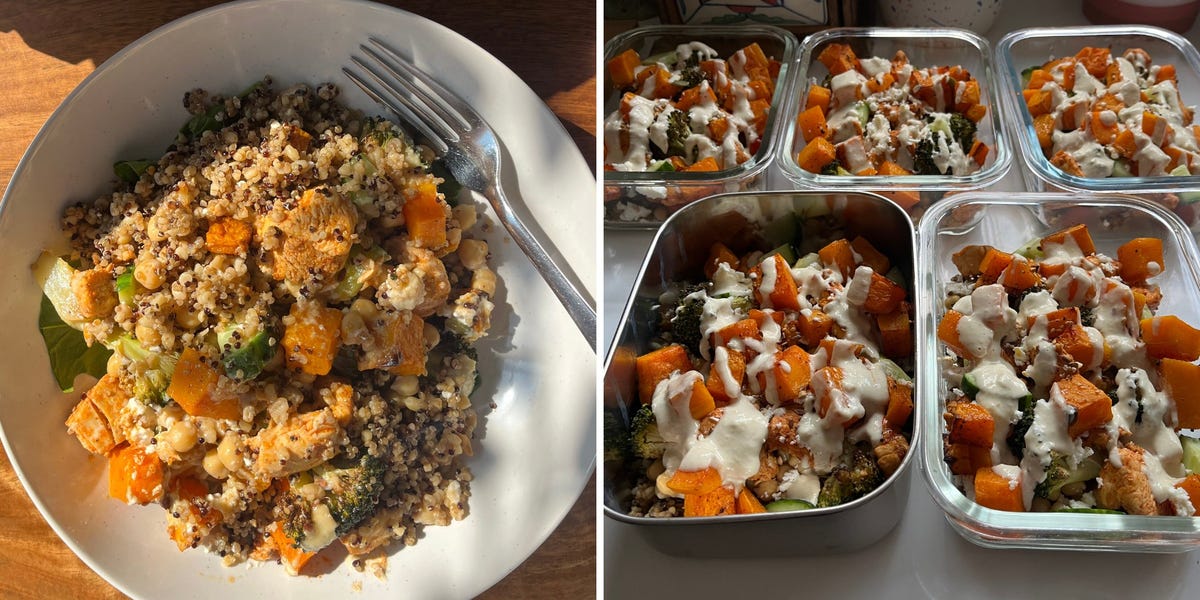
- Caramelized Roasted Wedges: Cut the flesh and tender skin into crescent-shaped wedges. Drizzle with extra virgin olive oil, ground cumin, and cracked black pepper, then roast at 400°F (200°C) until fork-tender and deeply browned along the edges.
- Immunity-Boosting Golden Broth: Place all the fibrous inner strings into a pot with water, bay leaves, garlic cloves, and a dash of turmeric. Simmer gently for 40 minutes, strain the solids, and freeze the liquid for an instant winter soup foundation.
- Smooth Pumpkin Butter: Steam residual flesh chunks until ultra-tender, then blend with a touch of maple syrup, cinnamon, nutmeg, and a splash of apple cider vinegar for a natural breakfast spread.
Key Takeaways for a Healthier, Zero-Waste Kitchen
- Protein Density: Pumpkin seeds deliver exceptional amounts of plant-based protein, zinc, and magnesium per serving.
- Total Edibility: Every part of the pumpkin—from the peel to the stringy core—is edible and brimming with distinct nutritional assets.
- Antioxidant Rich: High concentrations of beta-carotene and vitamin C support vision, immunity, and skin health through the colder months.
- Waste Reduction: Utilizing the entire gourd reduces household food waste and saves money on pantry staples like vegetable broth and snack seeds.
Before you toss your next autumn pumpkin aside, remember the wealth of culinary potential sitting on your cutting board. By embracing every component of this resilient, protein-rich vegetable, you can enrich your seasonal meals while taking a practical step toward a more sustainable, whole-food lifestyle.
Source Attribution: Article content originally reported by Kiki Sideris. Read original story coverage on Kiki Sideris →