Have you ever caught yourself mindlessly scrolling through your social feeds late at night, only to realize your heart is beating a little faster and a subtle wave of unease has settled into your chest? In our hyper-connected modern world, digital overwhelm is an everyday reality. Millions of people grapple with persistent feelings of stress and anxiety, frequently exacerbated by relentless notifications, curated timelines, and endless digital comparison.
While we often look for solutions through mindfulness apps or digital detoxes, researchers are increasingly uncovering an unexpected ally in the battle against digital-era anxiety: our dinner plates. A compelling exploratory cross-sectional pilot study published in Frontiers in Nutrition has delved into the intriguing intersection between dietary habits, social media consumption, and mental well-being, exploring whether adherence to the Mediterranean diet could serve as a protective buffer against anxiety symptoms.
The Dual Modern Crisis: Digital Saturation and Mental Well-Being
Anxiety and depressive disorders represent two of the most widespread mental health challenges globally. Over the last decade, public health experts have closely tracked the exponential rise in daily screen time, particularly the hours spent navigating social networking platforms. While these platforms can foster connection, extensive research links excessive or compulsive social media usage to heightened psychological distress, poor sleep quality, body image concerns, and intensified symptoms of anxiety.
Simultaneously, nutritional psychiatry has emerged as a groundbreaking field of medicine. Scientists now recognize that dietary patterns are not just determinants of physical health and metabolic vitality; they are directly linked to mood regulation, cognitive resilience, and emotional balance. Because diet is an entirely modifiable lifestyle factor, discovering how nutrition interacts with modern psychological stressors offers empowering, practical possibilities for everyday wellness.
Understanding the Frontiers Pilot Investigation
The pilot survey published in Frontiers set out to examine how varying degrees of adherence to the Mediterranean diet correlate with reported anxiety symptoms among individuals navigating typical levels of daily social media use. Rather than viewing diet or digital screen habits in isolated silos, the researchers sought to understand the complex interplay between the food we consume and the digital environments we inhabit.
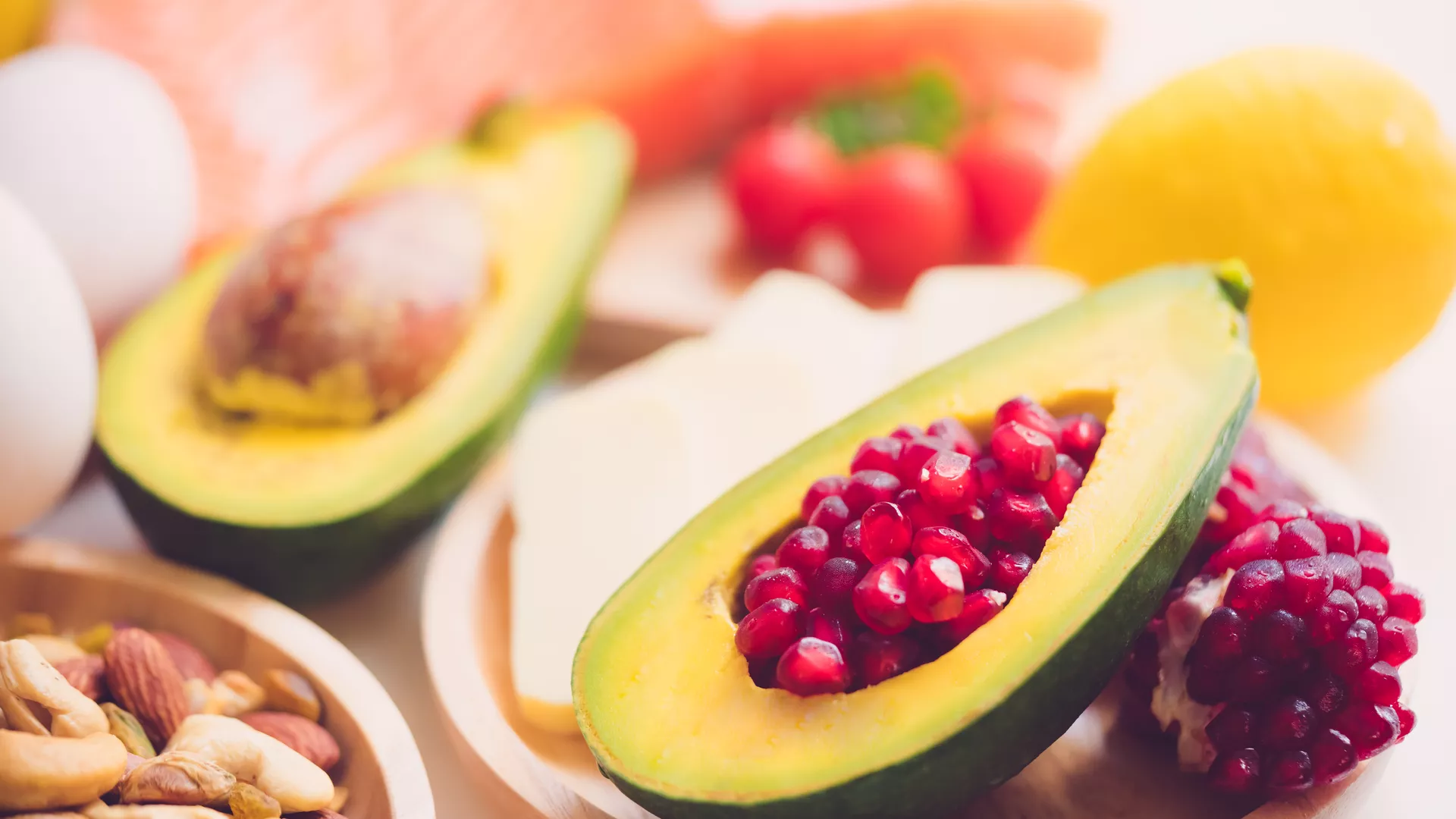
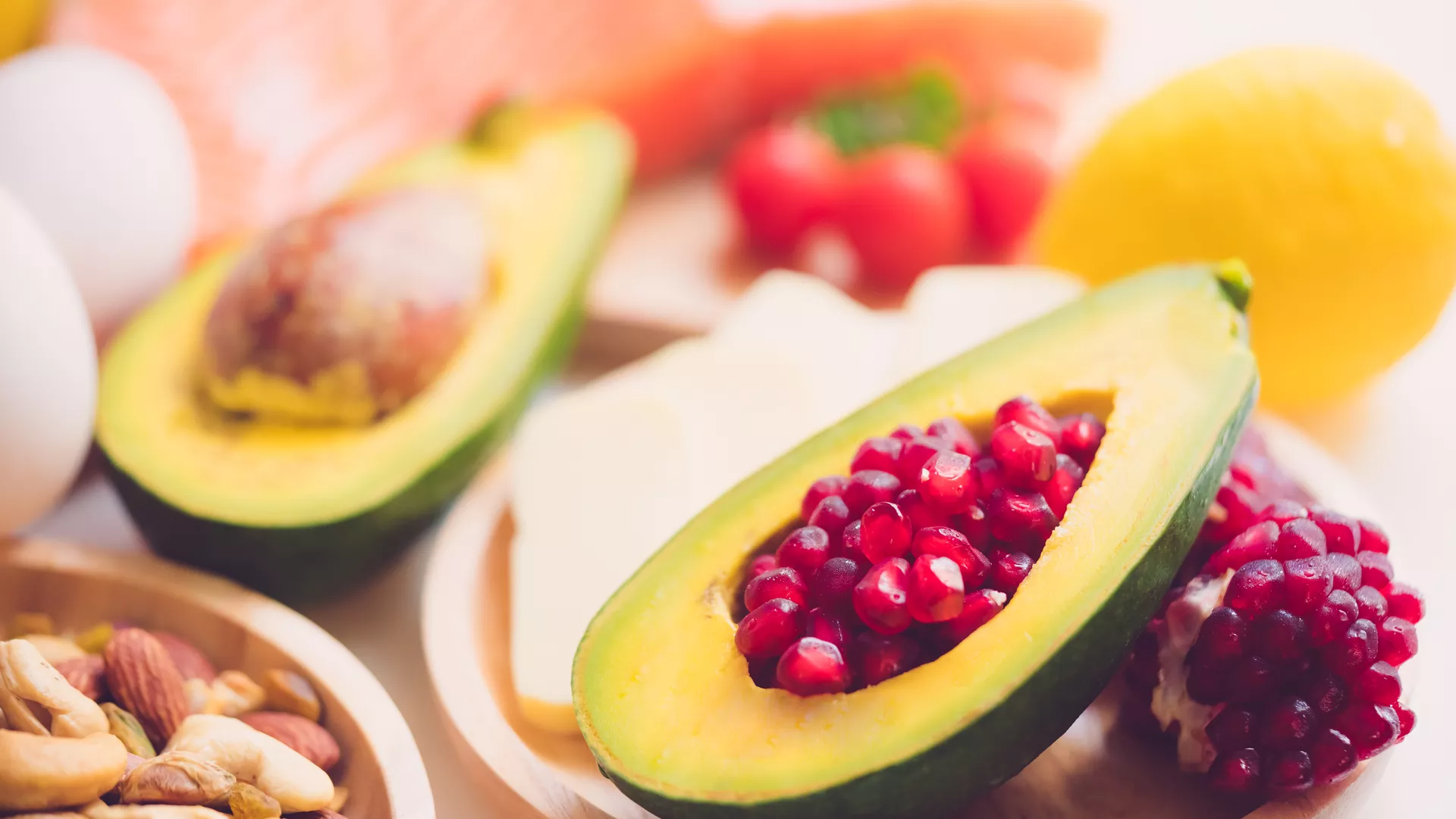
The Mediterranean diet—celebrated worldwide for its cardiovascular and longevity benefits—is characterized by an abundant intake of minimally processed plant foods, including fresh vegetables, vibrant fruits, legumes, whole grains, nuts, seeds, and extra virgin olive oil as the primary culinary fat. It incorporates moderate consumption of fish and poultry, while strictly limiting red meat, ultra-processed packaged foods, and refined sugars.
By surveying participants on their dietary quality, patterns of social media engagement, and standardized anxiety inventories, the exploratory study highlighted a meaningful relationship: individuals with closer adherence to traditional Mediterranean dietary patterns tended to report lower levels of anxiety symptoms, even against the backdrop of regular digital media exposure.
The Gut-Brain Connection: Why What You Eat Affects How You Feel
How exactly does a plate of roasted vegetables, wild-caught fish, and olive oil influence the neural pathways that govern worry and stress? The answer lies largely along the gut-brain axis—a sophisticated, bidirectional communication superhighway linking your central nervous system with your gastrointestinal tract.
1. Quelling Systemic and Neuroinflammation
Chronic low-grade inflammation is increasingly recognized as a key physiological driver of mood disturbances and anxiety. Highly processed diets rich in industrial trans fats, refined carbohydrates, and chemical additives can trigger inflammatory responses throughout the body. In contrast, the Mediterranean diet is packed with potent anti-inflammatory compounds, notably polyphenols from extra virgin olive oil, berries, and dark leafy greens, as well as omega-3 polyunsaturated fatty acids from oily fish like salmon and sardines. These nutrients help preserve the blood-brain barrier and dampen neuroinflammatory cascades.
2. Nourishing a Diverse Microbiome
Your gut is home to trillions of microorganisms that produce vital neuroactive chemicals, including roughly 90% of your body’s serotonin and substantial amounts of gamma-aminobutyric acid (GABA), a neurotransmitter essential for calming an overactive nervous system. The Mediterranean diet provides exceptional amounts of diverse soluble and insoluble dietary fibers. These prebiotic fibers feed beneficial gut bacteria, enabling them to produce short-chain fatty acids (SCFAs) like butyrate, which directly soothe the nervous system and regulate stress hormone reactivity.
3. Stabilizing Blood Glucose and Cortisol Spikes
Have you ever felt suddenly irritable, shaky, or anxious a couple of hours after consuming a sugary pastry or a high-glycemic snack? Blood sugar volatility mimics the body's acute stress response, triggering surges of adrenaline and cortisol. By emphasizing healthy fats, complex carbohydrates, and lean proteins, Mediterranean meals ensure slow, steady glucose absorption, preventing the energy crashes that mimic or exacerbate anxiety attacks.
Navigating the Digital Landscape with Intention
While nourishing your body provides a biological defense against stress, addressing the psychological inputs entering through your eyes and ears remains equally essential. The study’s insights emphasize that lifestyle medicine works best when tackled from multiple angles.
- Audit Your Digital Diet: Just as you pay attention to the ingredients on a food label, take note of your mental diet. Unfollow or mute accounts that provoke feelings of inadequacy, panic, or chronic frustration, and actively seek out content that educates, inspires, or fosters genuine community.
- Set Physical Boundaries with Screens: Create phone-free sanctuary zones in your home, particularly in the bedroom and around the dining table. Blue light exposure directly suppresses melatonin production, compounding the insomnia that often fuels anxiety loops.
- Practice Mealtime Mindfulness: Eating while scrolling through social media divides your attention and impairs the vagus nerve's ability to trigger optimal digestion and satiety signals. Dedicate mealtime to savoring the aromas, textures, and flavors of whole foods without the distraction of push notifications.
Actionable Steps: Transitioning Toward Mediterranean Living
Transforming your daily habits does not require a rigid, overnight overhaul. Adopting a Mediterranean pattern of living is fundamentally about abundance and appreciation rather than deprivation. Here are simple, practical steps you can implement today:
- Upgrade Your Cooking Oil: Make cold-pressed, extra virgin olive oil your kitchen staple for dressings, sautés, and roasting.
- Crowd In the Color: Aim to include at least two distinct colorful vegetables on your plate at lunch and dinner.
- Swap Refined for Intact Whole Grains: Replace white rice and refined breads with farro, quinoa, barley, or 100% sprouted whole grains that release sustained energy.
- Embrace Plant-Based Proteins: Incorporate lentils, chickpeas, or black beans into soups, salads, and grain bowls several times a week.
- Incorporate Weekly Omega-3s: Plan two meals per week centered around sustainably sourced fatty fish, such as wild salmon, mackerel, trout, or sardines.
Key Takeaways
The findings highlighted in the Frontiers in Nutrition pilot survey serve as a powerful reminder of our autonomy over our personal wellness. In a culture saturated with constant screen exposure, algorithm-driven anxiety can often feel inescapable. Yet by intentionally cultivating the gut-brain axis through wholesome, nutrient-dense Mediterranean foods and practicing intentional digital boundaries, we can build a strong biological and mental foundation to stay grounded, resilient, and calm.
Source Attribution: Article content originally reported by Religa; Piotr; Mickael; Michel-Edwar; Kubick; Norwin; Conesa Moreno; Inmaculada; Ferris Garcia; Daniel; Sacharczuk; Mariusz; Atanasov; Atanas G; Horbańczuk; Jarosław Olav. Read original story coverage on Religa; Piotr; Mickael; Michel-Edwar; Kubick; Norwin; Conesa Moreno; Inmaculada; Ferris Garcia; Daniel; Sacharczuk; Mariusz; Atanasov; Atanas G; Horbańczuk; Jarosław Olav →