Decoding Japanese Skincare: The Science of Barrier Repair and Hydration
Understanding the Philosophy of Japanese Skincare
Japanese skincare, frequently referred to as J-beauty, has long captured global attention for its emphasis on gentle, highly functional formulations rather than aggressive, multi-step interventions. The underlying philosophy prioritizes long-term skin health, structural integrity, and the preservation of the natural moisture barrier over quick cosmetic fixes. Central to this approach is the concept of achieving soft, supple skin often described poetically as mochi skin.
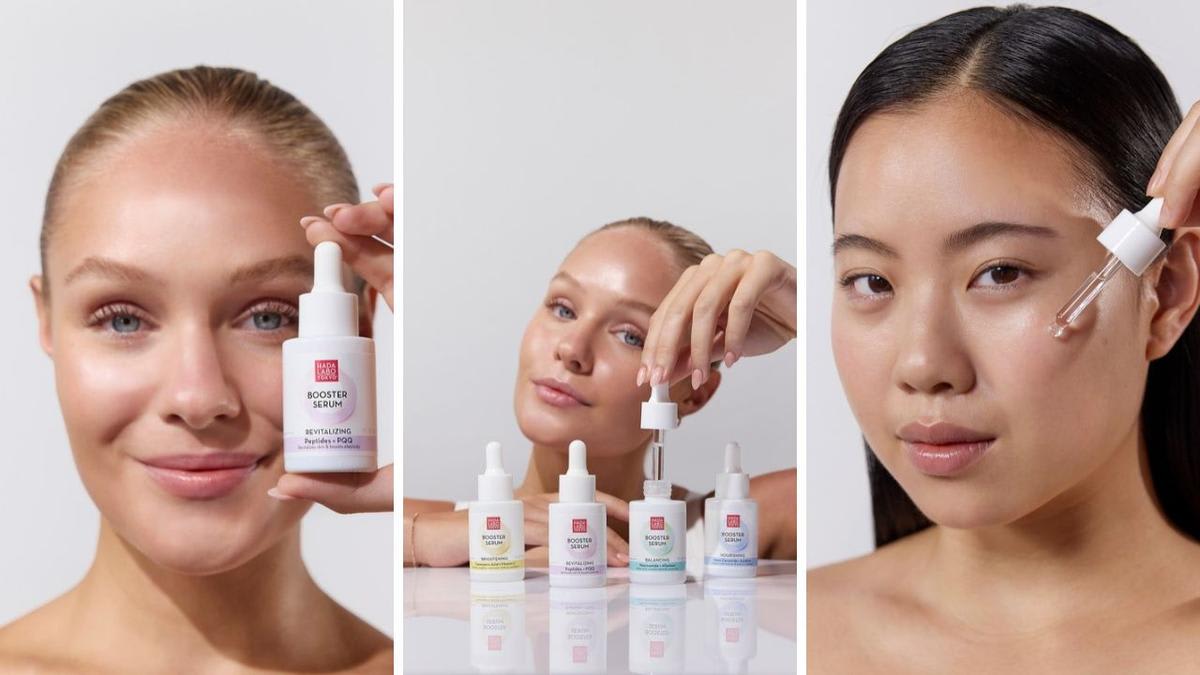
Rather than stripping the epidermis with harsh exfoliants or overloading the skin with conflicting active ingredients, J-beauty relies heavily on advanced hydration science. Recent product rollouts from heritage Japanese laboratories, such as Hada Labo's targeted booster serums, reflect a broader industry shift toward minimalism, precision, and ingredient synergy. By focusing on fundamental physiological needs, these formulations aim to support the skin matrix without triggering inflammation.
The Biochemical Role of Multi-Weight Hyaluronic Acid
At the heart of many modern Japanese hydration formulations is hyaluronic acid, a glycosaminoglycan naturally produced by the human body. Hyaluronic acid acts as a potent humectant, meaning it draws moisture from the surrounding environment and the deeper dermis into the stratum corneum, the outermost layer of the skin.
How Molecular Weight Influences Penetration
Not all hyaluronic acid molecules behave the same way on the skin. The physiological impact largely depends on molecular weight:
- High-Molecular-Weight Hyaluronic Acid: Formulated with larger molecules that remain on the surface of the skin, creating a breathable, moisture-retentive film that prevents transepidermal water loss (TEWL).
- Low-Molecular-Weight Hyaluronic Acid: Features smaller molecules capable of penetrating slightly deeper into the upper layers of the stratum corneum, offering localized hydration and supporting overall skin plumpness.
- Super or Acetylated Hyaluronic Acid: Advanced variants engineered to bind more effectively to the skin surface, resisting removal by sweat or washing while delivering sustained moisture over time.
When multiple molecular weights are combined within a single serum, the skin benefits from both immediate surface smoothing and prolonged internal hydration.
Supporting the Stratum Corneum and Skin Barrier
The stratum corneum functions as the body's primary shield against external stressors, pathogens, and environmental pollutants. Composed of corneocytes surrounded by a lipid matrix rich in ceramides, cholesterol, and fatty acids, this barrier requires optimal hydration to function correctly. When moisture levels drop, the enzymatic processes responsible for natural skin shedding can falter, leading to micro-fissures, flaking, and heightened sensitivity.
Targeted booster serums function by reinforcing this lipid-protein matrix. By maintaining an optimal hydration gradient across the skin layers, these formulations help preserve the structural integrity of the acid mantle. A resilient skin barrier is inherently less prone to irritation, redness, and reactive flare-ups caused by pollution or harsh weather conditions.
Integrating Targeted Serums Into a Rational Routine
Adopting a simplified, science-driven approach to skincare requires patience and strategic layering. Introducing too many active ingredients simultaneously can disrupt the skin barrier and make it difficult to identify the root cause of any adverse reactions. Below is a framework for incorporating hydration boosters safely into a daily regimen.
Step-by-Step Application Guide
- Gentle Cleansing: Begin with a pH-balanced, non-stripping cleanser that removes impurities without dissolving essential intercellular lipids.
- Damp Skin Application: Apply hyaluronic acid serums to slightly damp skin. Humectants require available water molecules to bind to; applying them to dry skin in low-humidity environments can occasionally draw moisture out from deeper dermal layers.
- Targeted Layering: Dispense a few drops of the booster serum and press gently into the face and neck using the palms of your hands rather than aggressive rubbing.
- vSeal in Moisture: Follow immediately with a moisturizer containing ceramides or occlusive agents to lock the humectants and water molecules into the stratum corneum.
- Sun Protection: During daytime routines, always finish with a broad-spectrum sunscreen of SPF 30 or higher to protect against UV-induced degradation of structural proteins.
Safety, Patch-Testing, and Managing Irritation
Although hydrating serums featuring hyaluronic acid and basic botanical extracts are generally well-tolerated by most skin types, individual sensitivities can still occur. Preservatives, stabilizers, or secondary botanical additives can occasionally trigger contact dermatitis in hyper-reactive individuals.
Dermatological consensus strongly recommends performing a patch test prior to full facial application. Apply a small amount of the product to the inner forearm or behind the ear and monitor the area for 24 to 48 hours. If signs of redness, stinging, or localized swelling appear, discontinue use immediately. Prioritizing skin-barrier safety ensures that the pursuit of hydration enhances overall cutaneous health rather than compromising it.
Sources & References
- Original Reporting: Coverage originally reported by 7news.com.au. View source publication →
- Scientific Context: Synthesized by the WelloraDaily Editorial Desk using peer-reviewed biomedical literature and public health guidance.
- Educational Notice: This article is intended for educational and informational purposes only and does not replace professional medical advice.

Elena Rostova
WelloraDaily Editorial Team