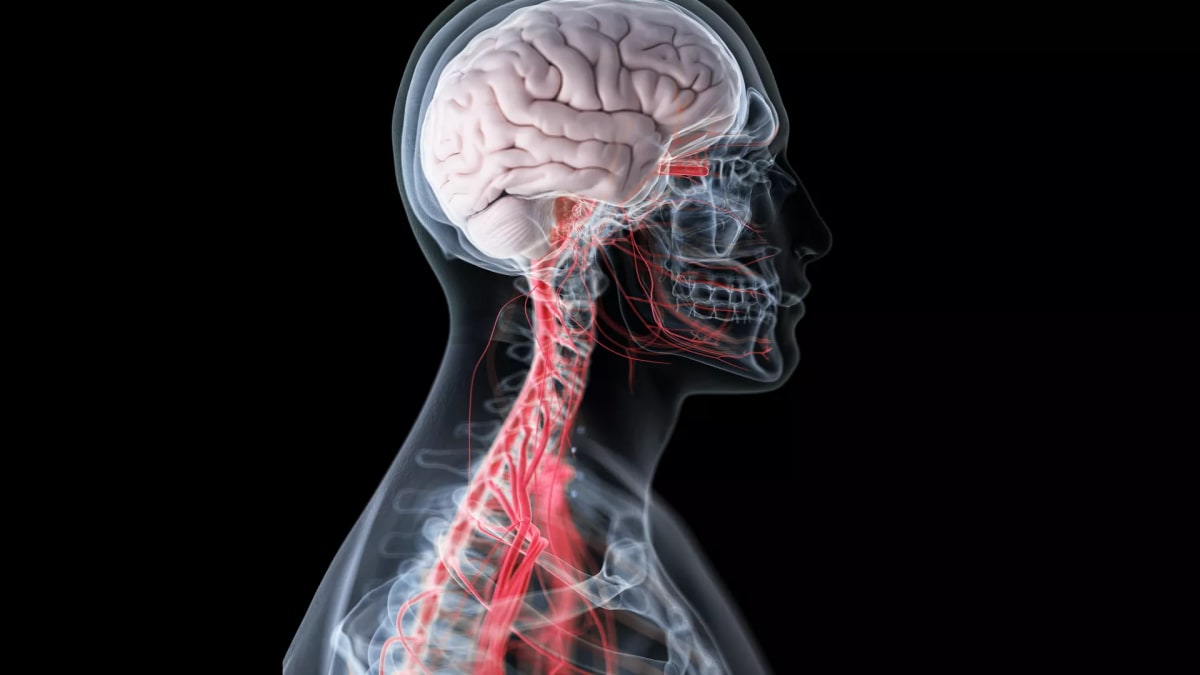
Unlocking the Neurobiological Mechanisms of Meditation: From Contemplative Practice to Clinical Translation
Understanding Meditation as a Bioactive Behavioral Intervention
For centuries, meditation has been practiced primarily as a spiritual or lifestyle discipline aimed at enhancing inner peace and mental clarity. In contemporary behavioral science, however, contemplative practices are increasingly evaluated through the rigorous lens of neurobiology and translational medicine. Researchers investigate meditation not merely as a relaxation technique, but as a bioactive intervention capable of inducing measurable structural and functional changes in the human central nervous system.
By examining how mental training alters brain networks, scientists aim to bridge the gap between ancient contemplative traditions and evidence-based clinical therapeutics. This evolving framework treats specific mental states as active biological agents that can influence cellular pathways, neural connectivity, and physiological stress responses.
Translational Neuroscience: Connectivity Mapping and Neurophysiology
Recent advances in translational neuroscience have utilized sophisticated methodologies such as Connectivity Mapping and Transcranial Magnetic Stimulation (TMS) to decode how meditation impacts the brain. Connectivity Mapping allows researchers to analyze gene expression profiles and neural circuit connectivity, helping to identify how behavioral interventions correlate with molecular-level changes in the body.
Similarly, TMS neurophysiology enables scientists to probe cortical excitability and neural plasticity with high precision. Through these advanced tools, studies indicate that regular mindfulness and meditation practices can systematically modulate default mode network (DMN) activity, which is frequently hyperactive in clinical conditions characterized by rumination, anxiety, and depressive symptoms. By dampening DMN overactivity, meditation helps facilitate cognitive flexibility and emotional regulation.
Evidence-Based Therapeutic Strategies and Clinical Boundaries
As empirical support grows, mental health professionals increasingly integrate mindfulness-based interventions—such as Mindfulness-Based Stress Reduction (MBSR) and Mindfulness-Based Cognitive Therapy (MBCT)—into clinical settings. These modalities combine psychoeducation with structured meditative exercises to help patients recognize cognitive distortions without judgment.
- Cognitive Reframing: Using present-moment awareness to interrupt automatic negative thought loops.
- Physiological Regulation: Leveraging breath-focused attention to stimulate the parasympathetic nervous system and reduce autonomic arousal.
- Attentional Control: Strengthening frontoparietal control networks responsible for sustained focus and distraction management.
Despite these promising findings, it is crucial to maintain a clear distinction between general educational insights and formal clinical therapy. Meditation is a valuable adjunctive tool, but it is not a standalone cure for severe psychiatric disorders. Furthermore, the existing scientific literature exhibits certain limitations, including reliance on self-reported measures, variability in practitioner experience levels, and the need for larger, placebo-controlled longitudinal trials to fully isolate the neurobiological mechanisms at play.
Integrating Mindful Awareness Into Daily Routines
For individuals seeking to incorporate evidence-based mental training into their daily lives, consistency and realism are far more important than extended seclusion. Cultivating cognitive resilience can be approached through simple, structured habits:
- Micro-Sessions: Dedicate three to five minutes daily to anchor attention purely on the physical sensation of breathing, gently redirecting the mind whenever it wanders.
- Somatic Check-Ins: Periodically pause throughout the workday to scan the body for physical tension, consciously relaxing the jaw, shoulders, and hands.
- Non-Judgmental Observation: Practice labeling thoughts as mental events rather than absolute truths, creating cognitive space between a stressor and your behavioral response.
By approaching meditation through both a scientific and a practical lens, individuals can better appreciate the complex interplay between mind, brain, and behavior while supporting their long-term mental well-being.
Sources & References
- Original Reporting: Coverage originally reported by frontiersin.org. View source publication →
- Scientific Context: Synthesized by the WelloraDaily Editorial Desk using peer-reviewed biomedical literature and public health guidance.
- Educational Notice: This article is intended for educational and informational purposes only and does not replace professional medical advice.

Elena Rostova
WelloraDaily Editorial Team