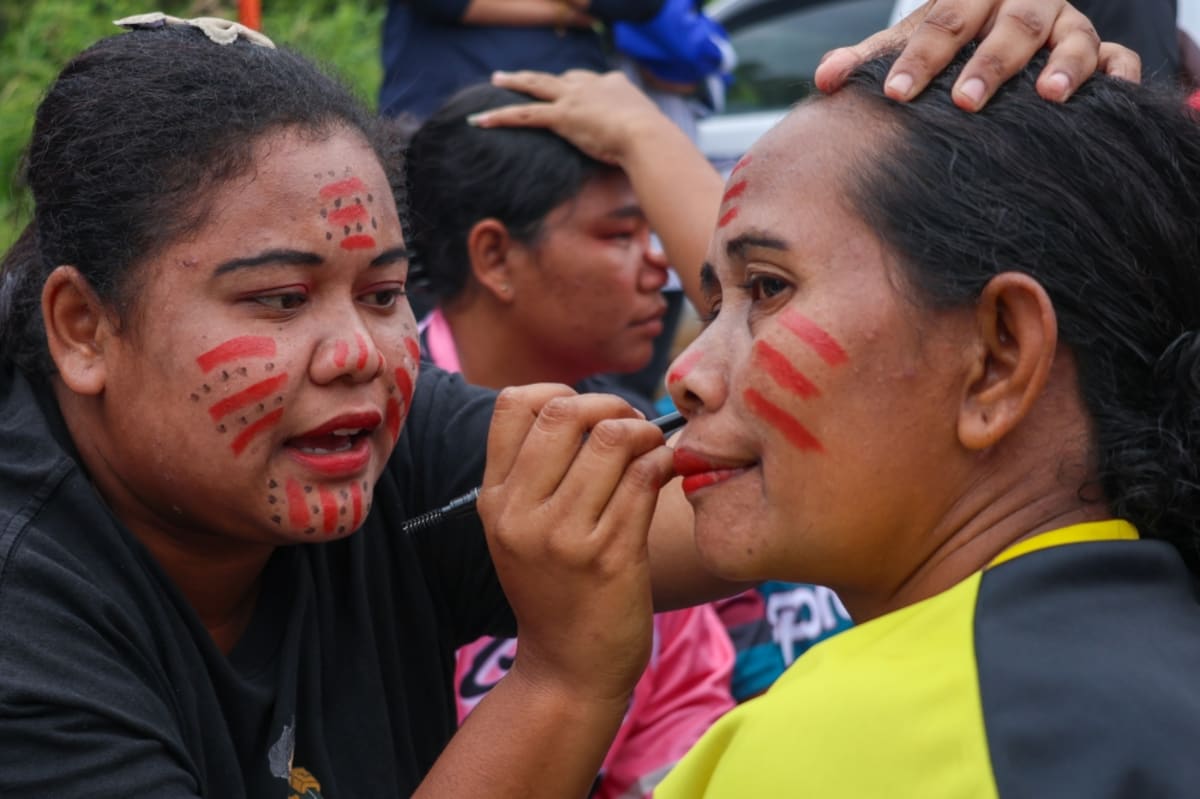
Have you ever stopped to wonder how the concept of personal adornment first began? Long before skincare shelves were stocked with high-tech serums and cosmetic counters showcased thousands of curated pigments, human beings looked directly to the natural world to tell their stories. In the lush rainforest landscapes of Peninsular Malaysia, the indigenous Orang Asli have spent centuries turning their own faces into living canvases of identity, spirituality, and kinship.
Today, in places like Gua Musang, an intriguing evolution is taking place. The Temiar people—one of the largest indigenous sub-ethnic groups within the Orang Asli community—are navigating the delicate intersection between ancestral custom and contemporary convenience. While traditional ingredients like crushed charcoal and white limestone paste once reigned supreme, modern cosmetics like vivid lipsticks, eyeliner pencils, and pressed powders have quietly stepped into the fold. Yet, rather than eroding their ancient customs, this modern transition tells a deeply inspiring story of resilience, adaptation, and cultural pride.
The Sacred Canvas: The Roots of Temiar Facial Ornamentation
For the Temiar community, applying facial patterns is never merely an act of vanity. It is an intentional, deeply spiritual practice tied to ritual, well-being, and social life. Historically, these intricate motifs were applied during pivotal village gatherings, traditional celebrations, and healing ceremonies such as the Sewang—a sacred ritual combining rhythmic music, dance, and spiritual healing to restore balance between humanity and the forest spirits.
In the past, gathering the necessary pigments was an intimate forest ritual in itself. Village elders and women would collect specific natural resources:
- Ground Charcoal: Used to produce deep, defined black lines representing strength and grounding.
- Limestone and River Silt: Carefully ground with water to yield bright, chalky white pastes that symbolize purity and divine protection.
- Forest Botanicals: Crushed red seeds, wild turmeric roots, and bark extracts that offered earthy ambers, vibrant yellows, and rich reds.
These natural elements were hand-applied using sharpened bamboo twigs or feather quills, crafting geometric lines, dots, and wave-like strokes that mirrored the surrounding flora, fauna, and waterways.
The Modern Makeover: Replacing River Stone with Lipstick
As modern amenities and connectivity reached deeper into indigenous settlements around Gua Musang, the daily lives of the Temiar people naturally evolved. Preparing limestone paste and fresh charcoal requires hours of labor and patience, and the resulting formulas—while natural—can easily smudge, crack under the tropical heat, or irritate sensitive skin when worn for extended dance ceremonies.
Enter the modern cosmetic vanity. Today, Temiar women and youth are reaching for waterproof eyeliners, long-lasting cream lipsticks, and compact powders to recreate the very same sacred patterns their ancestors wore. Where charcoal once traced bold lines across the bridge of the nose and cheekbones, black gel pencils now provide effortless precision. In place of sticky plant saps, bright red lipsticks render rich, vibrant accents that stay put through hours of energetic dancing and high humidity.
Far from stripping the tradition of its sanctity, community members emphasize that the change of medium has breathed fresh vitality into the practice. The sacredness lies not in the physical chemical compound of the pigment, but in the intention, the symbolic language of the strokes, and the communal bond forged while adorning one another.
Preserving Ancestral Identity in a Digital World
Cultural observers and anthropologists often worry that modern influences will inevitably extinguish indigenous traditions. However, the Temiar's pragmatic adoption of modern cosmetics demonstrates the opposite: culture is a living, breathing entity that survives by adapting.
By making traditional face painting more accessible, time-efficient, and vibrant, younger generations are actively embracing the ritual rather than abandoning it. Young Temiar women frequently showcase their traditional adornments during festive events, school cultural days, and nationwide heritage celebrations. The presence of makeup bags alongside woven bamboo headdresses (tempok) has become a proud symbol of dual belonging—honoring ancient roots while participating fully in the modern world.
The Deeper Symbolism of the Strokes
Every line and dot drawn across a Temiar face carries distinct meaning. While variations exist between villages and family lines, several universal motifs remain prevalent:
- Parallel Chevrons and Waves: Embodying flowing rivers and mountain breezes, serving as a prayer for safe passage through jungle terrain.
- Speckled Dots Across the Brow: Representing forest seeds and raindrops, invoking fertility, abundant harvests, and clean water.
- Radial Cheek Patterns: Evoking flowers and the radiant sun, symbolizing personal warmth, joy, and spiritual vitality.
Reframing Modern Beauty Through an Indigenous Lens
In a global beauty landscape often dominated by uniformity, filtered perfection, and fleeting micro-trends, the Temiar facial tradition offers a refreshing masterclass in mindful aesthetics. Here, makeup serves as a vehicle for storytelling, community celebration, and spiritual grounding rather than masking imperfections.
There is a profound wellness lesson embedded within this indigenous custom: beauty routines can be transformed from mundane daily chores into conscious, grounding rituals. When we choose colors, textures, and patterns that celebrate who we are and where we come from, adornment becomes an act of authentic self-expression.
Key Takeaways: What We Can Learn from Temiar Body Art
- Tradition Adapts to Survive: Replacing natural limestone and charcoal with modern cosmetics proves that cultural identity thrives when it embraces practical modern tools without sacrificing its spiritual core.
- Adornment as Connection: For the Temiar, facial art is fundamentally communal—mothers paint daughters, elders paint youths, and the community bonds through shared ritual.
- Storytelling on Skin: Indigenous beauty prioritizes symbolic narrative and nature-inspired motifs over superficial trends, reminding us of the deep historical links between cosmetics and well-being.
- Honoring Cultural Heritage: The enduring art of the Orang Asli highlights the vital importance of preserving indigenous knowledge, stories, and sacred customs across Malaysia and beyond.
Source Attribution: Article content originally reported by Malay Mail. Read original story coverage on Malay Mail →