Addressing the Global Adolescent Inactivity Crisis: Physiological Impacts and Evidence-Based Solutions
Understanding the Scale of Adolescent Inactivity
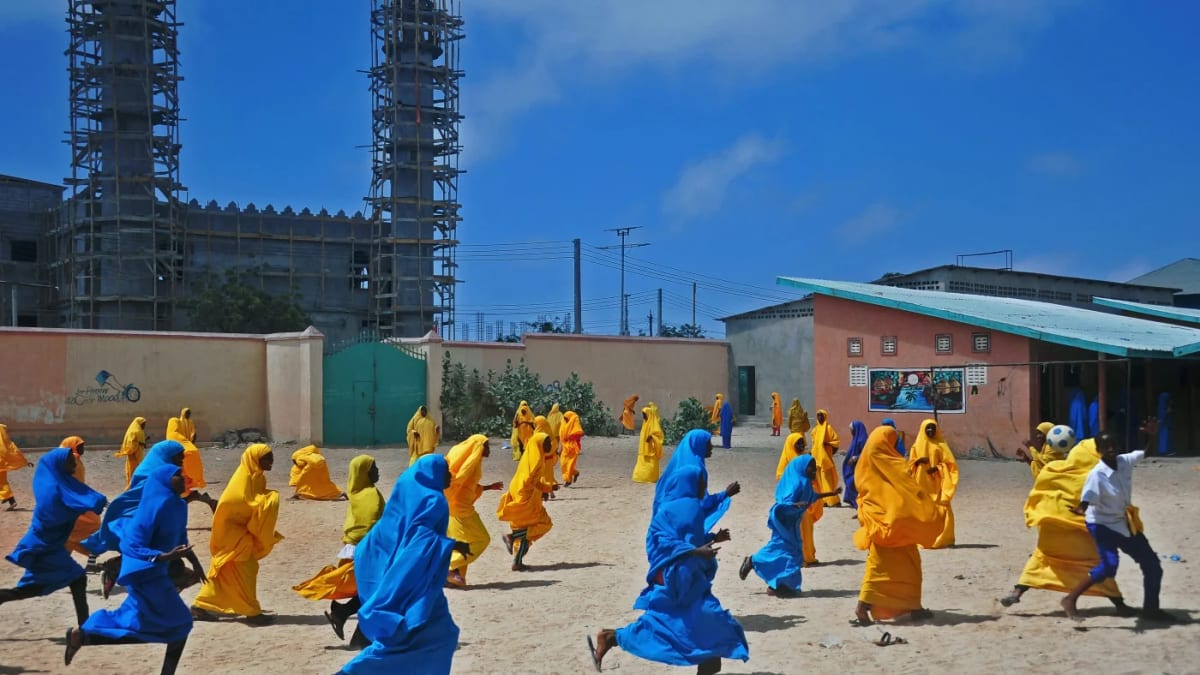
Public health data consistently highlights a concerning global trend regarding youth physical fitness. According to guidelines established by the World Health Organization (WHO), adolescents aged 11 to 17 should accumulate at least 60 minutes of moderate-to-vigorous physical activity daily. This threshold is necessary to support healthy growth, cardiovascular development, and metabolic regulation during critical developmental years. However, extensive global health reporting reveals that the vast majority of teenagers worldwide fall short of this benchmark, with adolescent girls experiencing disproportionately lower activity levels compared to boys.
Physiological Impacts of Movement Deficits on Developing Bodies
Regular physical exertion is not merely a mechanism for burning calories; it is a fundamental biological stimulus required for proper musculoskeletal and cardiovascular development. During adolescence, bones undergo rapid remodeling and mineralization, a process heavily influenced by mechanical loading through weight-bearing exercise. When teenagers remain sedentary for prolonged periods, several physiological systems are affected:
- Cardiovascular Efficiency: Regular aerobic activity increases stroke volume and improves endothelial function, lowering resting heart rates and supporting long-term vascular health.
- Metabolic Health: Muscle contractions enhance insulin sensitivity by facilitating glucose uptake via GLUT4 transporters independently of insulin, helping to mitigate early metabolic dysfunction.
- Neurological and Mental Well-being: Physical activity stimulates the release of neurotrophic factors, such as brain-derived neurotrophic factor (BDNF), which supports neuroplasticity, mood regulation, and cognitive function.
Examining the Gender Disparity in Physical Activity
The persistent gap in activity levels between adolescent boys and girls is a complex phenomenon studied extensively by behavioral scientists and public health researchers. Current clinical and epidemiological observations point to a confluence of social, cultural, and biological factors rather than a single causative agent. Contributing variables often include shifting social norms during puberty, perceived competence in physical education settings, safety concerns in public recreational spaces, and a lack of gender-inclusive sports programs. Understanding these barriers is essential for designing effective interventions that resonate with young women and encourage lifelong movement habits.
Translating Global Guidelines Into Daily Wellness
Meeting the WHO recommendation of one hour of daily movement does not necessitate rigid gym routines or intense athletic training. The objective is to integrate varied forms of physical exertion naturally into a teenager's daily routine. Evidence suggests that breaking activity into manageable bouts throughout the day yields similar physiological benefits to continuous exercise.
Practical Strategies for Increasing Daily Movement
Safety Precautions and Clinical Consultation
While increased physical activity is universally encouraged for healthy youth development, any sudden transition to a more active lifestyle should be approached thoughtfully. Adolescents with underlying medical conditions, such as congenital heart defects, uncontrolled asthma, or musculoskeletal injuries, should undergo a comprehensive evaluation by a qualified healthcare practitioner before beginning a new exercise regimen. Parents, educators, and healthcare providers must work collaboratively to ensure that physical activity remains a positive, safe, and empowering experience tailored to each individual's health status and developmental needs.
Sources & References
- Original Reporting: Coverage originally reported by NPR. View source publication →
- Scientific Context: Synthesized by the WelloraDaily Editorial Desk using peer-reviewed biomedical literature and public health guidance.
- Educational Notice: This article is intended for educational and informational purposes only and does not replace professional medical advice.

Elena Rostova
WelloraDaily Editorial Team