Beyond Fiber: How Plant Proteins and Gut Bacteria Protect Your Intestinal Lining
The Dynamic Ecosystem of the Human Colon
For decades, nutritional science has championed dietary fiber as the ultimate protector of gastrointestinal health. We are repeatedly told that bulk-forming carbohydrates keep transit times regular and prevent various chronic conditions. However, emerging research from nutritional microbiology reveals that fiber is only one piece of a much larger, highly intricate metabolic puzzle. The trillions of microbes residing inside the human colon require a diverse array of nutrients to thrive, and when their preferred fuel sources run low, their behavior shifts in ways that directly impact human physiology.
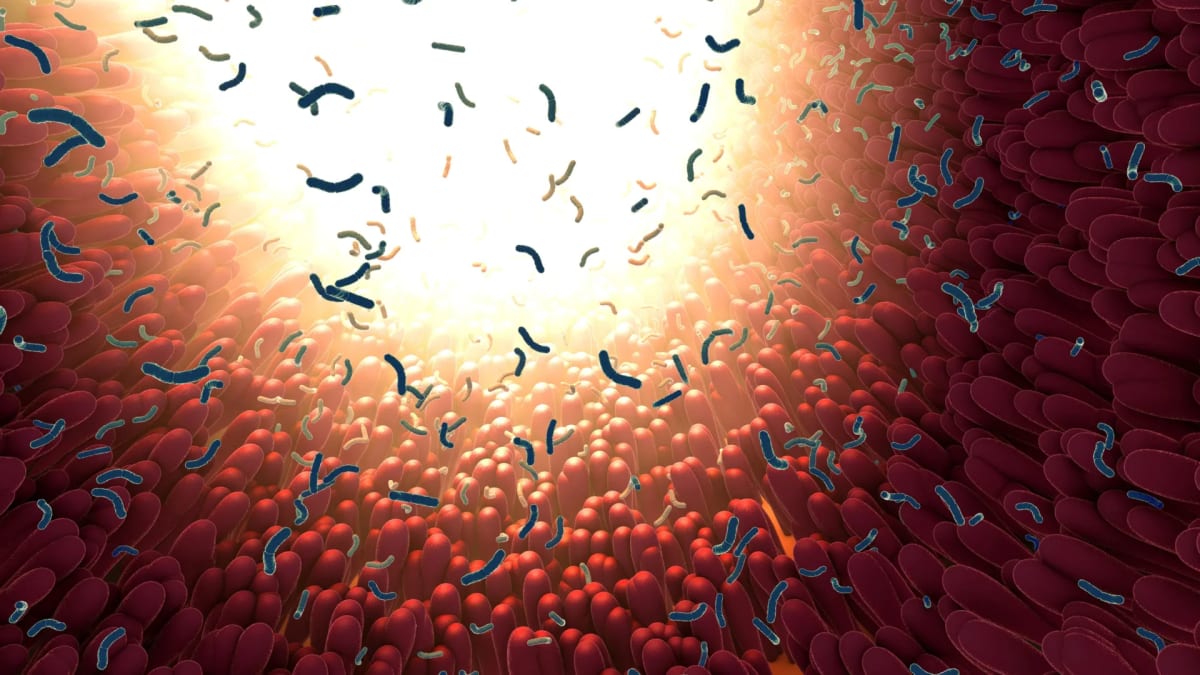
The human large intestine hosts a complex community of bacteria, fungi, and archaea collectively known as the gut microbiota. This ecosystem functions much like a densely populated organ, metabolizing compounds that human digestive enzymes cannot break down on their own. While complex carbohydrates and dietary fibers have traditionally held the spotlight, scientists are now discovering that specific plant-based proteins play a surprisingly vital role in shaping microbial behavior and maintaining the integrity of the mucosal barrier.
The Mechanism of Mucosal Degradation
To understand why plant-derived nutrients matter so profoundly, we must examine the protective mucus layer that lines the human colon. This thick, gel-like barrier serves as a crucial physical shield, preventing trillions of luminal bacteria from directly interacting with and inflaming the underlying epithelial cells of the host. Under optimal metabolic conditions, resident microbes feed on dietary components like complex plant polysaccharides, fermenting them into short-chain fatty acids such as butyrate, acetate, and propionate. These byproducts nourish colonic cells and reinforce the tight junctions between them.
Trouble begins when the diet lacks sufficient fermentable substrates. If an individual consumes a diet persistently low in plant matter, resident microbes face acute starvation. To survive, certain opportunistic bacterial strains alter their metabolic strategy. Lacking dietary inputs, these hungry microbes turn their enzymatic machinery toward the host's own tissues, specifically targeting the glycoproteins—known as mucins—that comprise the protective gut mucus layer. As these bacteria systematically chew through the mucosal lining, the physical barrier thins, potentially leaving the intestinal epithelium vulnerable to irritation, increased permeability, and low-grade systemic inflammation.
Expanding Beyond Fiber: The Role of Plant Proteins
While fiber deprivation initiates this breakdown, recent scientific investigations highlight that plant proteins and associated bioactive compounds significantly influence this microbial balancing act. Unlike animal proteins, which are often absorbed more rapidly in the upper gastrointestinal tract, certain plant proteins reach the large intestine intact, where they become available for microbial fermentation and utilization.
Plant proteins found in legumes, whole grains, nuts, and seeds arrive in the colon accompanied by a matrix of phytochemicals, polyphenols, and slow-release amino acids. These components support a diverse microbial community rather than allowing a single, destructive bacterial strain to dominate. When the diet provides a rich variety of both structural carbohydrates and plant-derived amino acids, microbes are far less likely to resort to mucin degradation for sustenance. The presence of diverse nitrogen and carbon sources encourages a symbiotic metabolic profile that actively supports mucosal repair rather than depletion.
Practical Strategies for Supporting Your Gut Barrier
Translating these microbiological insights into everyday dietary habits does not require extreme restrictions or expensive supplements. Instead, the focus should shift toward biological diversity and consistency across your weekly meals. Consider the following evidence-based approaches to nourish your microbiome effectively:
- Embrace Dietary Variety: Aim to incorporate a wide spectrum of plant foods weekly, including various beans, lentils, whole ancient grains, seeds, and colorful vegetables. Different plants supply distinct amino acid profiles and structural compounds that feed different beneficial microbial populations.
- Prioritize Whole Food Matrices: Whenever possible, choose whole or minimally processed plant proteins, such as chickpeas, black beans, edamame, and quinoa, over highly isolated protein powders. The natural fiber, starch, and polyphenol matrix protects these proteins during early digestion, ensuring they reach the colon intact.
- Gradual Dietary Increases: If your current diet is low in plants, increase your intake gradually over several weeks. This allows your microbial populations to adapt without causing uncomfortable bloating or gas.
- Hydration is Essential: Both fiber and plant proteins require adequate fluid intake to move smoothly through the digestive tract and to help maintain the viscous consistency of the colonic mucus layer.
Individual Variations and Future Research
It is important to recognize that human metabolic responses and microbiome compositions vary widely from person to person. Factors such as genetics, baseline health status, geographic location, and medication use heavily influence how an individual's gut bacteria process plant proteins and fibers. While current laboratory and animal models provide compelling mechanistic insights, human clinical research in this area continues to evolve. Maintaining a flexible, plant-forward dietary pattern remains one of the most robust, scientifically supported methods for fostering a resilient gut ecosystem and protecting your intestinal lining for the long term.
Related Evidence-Based Calculators