Navigating Nutrition After Breast Cancer: What Patients with Lymphedema Truly Experience and Need
Completing breast cancer treatment is a milestone that brings profound relief, yet for millions of survivors, the journey toward healing doesn't end when active therapy stops. Instead, many find themselves facing a new, chronic chapter: breast cancer-related lymphedema (BCRL). Characterized by persistent swelling, heaviness, and discomfort—most often in the arm, shoulder, or chest wall—lymphedema can feel like an unwelcome physical reminder of a disease that patients fought so hard to overcome.
In their search to regain control, manage swelling, and protect their long-term health, many survivors turn toward their plates. Nutrition feels like an obvious, proactive tool. But what does managing nutrition actually look like when living with lymphedema? A qualitative study published in Frontiers in Oncology, guided by Fitch's supportive care framework, dives deeply into the lived experiences, daily struggles, and significant unmet needs of individuals navigating nutritional care after breast cancer.
The Intersection of Lymphedema and Everyday Nutrition
Lymphedema occurs when the lymphatic system is compromised—frequently due to lymph node removal, biopsy, or radiation therapy—leading to fluid accumulation in interstitial tissues. Beyond the mechanical fluid buildup, chronic low-grade inflammation and adipose tissue deposition often develop over time. Because body weight, systemic inflammation, and fluid dynamics are intimately tied to metabolic health, dietary intake plays a meaningful role in overall symptom management and quality of life.
However, despite the clear biological links, clear guidance is often painfully absent. When patients leave the oncology ward, they are routinely handed compression garments and physical therapy referrals, yet nutritional counseling remains an afterthought. This discrepancy prompts survivors to navigate a complex, often contradictory web of dietary advice entirely on their own.
Unpacking the Research: Fitch's Supportive Care Framework
To truly understand how survivors cope with these challenges, researchers utilized Fitch's supportive care framework. This recognized model categorizes patient needs across multiple interdependent domains: informational, physical, psychological, practical, and social. Rather than treating nutrition as a mere calculation of calories or macronutrients, the study explored the human dimension of eating while living with a chronic condition.
Through in-depth qualitative interviews, the researchers discovered that the journey of nutritional self-management is marked by trial, error, hope, and frequent frustration. Several core themes emerged, highlighting where clinical support currently excels and where it falls drastically short.
1. The Informational Void and the Peril of Dietary Myths
One of the most striking findings of the study was the sheer absence of personalized, evidence-based nutritional guidance provided by healthcare providers. Many participants reported that while their oncology teams warned them about heavy lifting or skin punctures, detailed discussions about dietary self-care never took place.
Left without a roadmap, patients naturally turned to search engines, online forums, and well-meaning peers. This frequently exposed them to restrictive dietary trends, unverified supplements, and conflicting claims regarding anti-inflammatory eating, dairy elimination, extreme sodium avoidance, and sugar panic. Survivors described feeling overwhelmed by information overload, questioning every bite they took while worrying that the wrong food choice might trigger a painful flare-up.
2. The Emotional and Psychological Burden of Food
Food is never just fuel; it is culture, connection, and comfort. For women managing BCRL, however, the dining table can quickly become a source of profound emotional distress. The study captured a pervasive sense of dietary guilt among participants.
When swelling worsened, many patients instinctively blamed themselves, wondering if a pinch of salt or an indulgence over the weekend was responsible for their physical setback. This constant vigilance can foster an anxious relationship with food, where eating transforms from an enjoyable daily ritual into a stressful medical calculation. The psychological toll of monitoring every meal while simultaneously coping with altered body image creates an immense invisible burden.
3. Practical and Physical Realities: Cooking with Chronic Swelling
Nutritional management is not solely about knowing what to eat; it is about having the physical capacity to prepare it. Participants highlighted practical challenges that healthy individuals rarely consider. Preparing fresh, nutrient-dense meals requires chopping, lifting heavy pans, washing dishes, and standing for extended periods.
For someone experiencing arm heaviness, reduced range of motion, and persistent neuropathic pain, standard kitchen tasks can be exhausting. Patients often find themselves caught in a difficult bind: they understand the value of home-cooked whole foods, yet the physical act of preparing them exacerbates the very swelling they are trying to tame.
4. Navigating Social Life and Meal Sharing
Dietary self-management also ripples outward into social dynamics. Participants shared feelings of isolation during family gatherings, celebrations, and restaurant outings. Sticking to self-imposed or recommended low-sodium and anti-inflammatory regimens often meant feeling separated from the shared culinary experiences of their households. Over time, the pressure to eat differently than loved ones can strain social connections and lead to emotional fatigue.
What Evidence-Based Nutrition Actually Looks Like for Lymphedema
While the qualitative findings underscore significant unmet needs, they also emphasize the critical importance of realistic, science-backed dietary principles. While there is no magical "cure-all" lymphedema diet, clinical consensus points toward several foundational strategies that support lymphatic function without requiring unsustainable restriction:
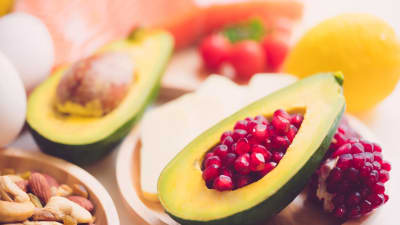
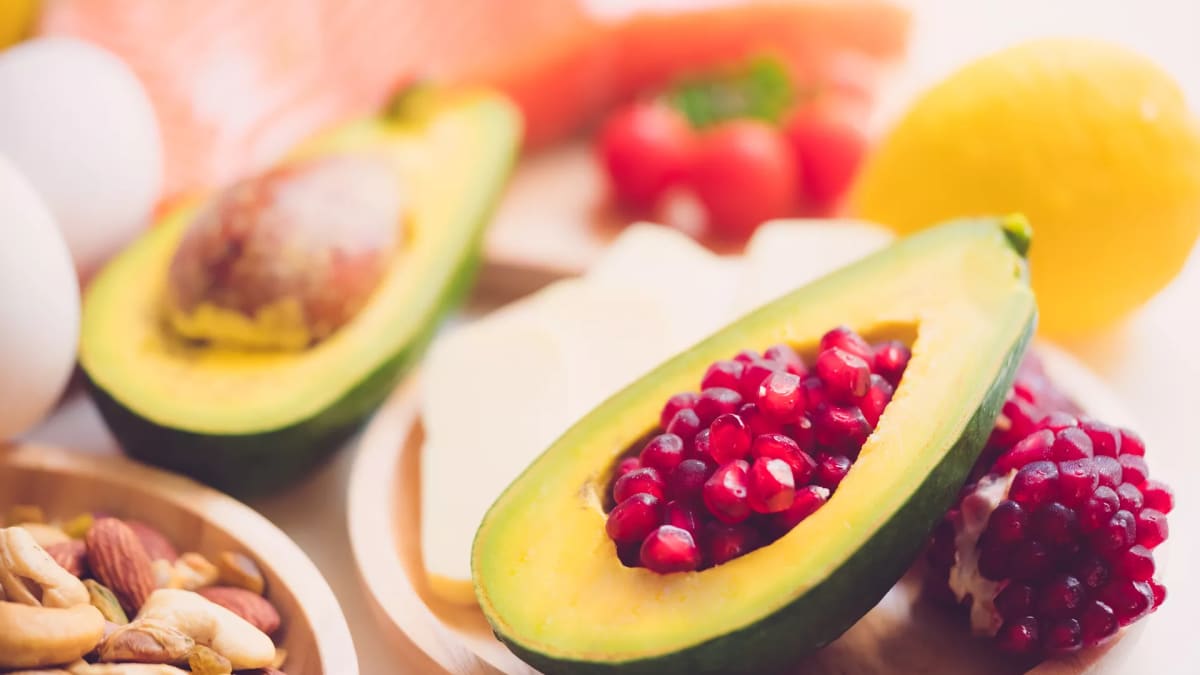
- Focus on a Mediterranean-Style Pattern: Emphasizing colorful vegetables, berries, legumes, extra virgin olive oil, and wild-caught fatty fish helps reduce systemic inflammatory markers that can compound tissue swelling.
- Mindful, Not Extreme, Sodium Intake: While high sodium loads can increase fluid retention, aggressive restriction can lead to electrolyte imbalances. The focus should be on reducing heavily processed and packaged foods rather than eliminating all table salt from wholesome cooking.
- Prioritize High-Quality Protein: Adequate lean protein is essential for maintaining muscle mass, promoting skin integrity, and preventing infection (cellulitis), a frequent complication of lymphedema.
- Consistent, Optimal Hydration: Restricting water intake in an attempt to reduce fluid retention is a common misconception that backfires. Proper hydration supports lymphatic circulation, kidney clearance, and cellular function.
- Sustainable Weight Stability: Sudden weight fluctuations can strain the lymphatic architecture. Gradual, sustainable nutritional approaches that maintain metabolic health are far superior to rapid, restrictive crash diets.
Bridging the Gap: The Urgent Need for Multidisciplinary Care
The findings from this Frontiers study serve as an urgent call to action for the oncology and survivorship communities. Breast cancer survivorship care must evolve beyond surgical follow-ups and localized physical therapy. Nutrition cannot remain an optional luxury left for patients to decipher through internet forums.
Comprehensive cancer rehabilitation programs should formally integrate registered dietitians who specialize in oncology and lymphatic disorders. By providing individualized, empathetic, and scientifically validated dietary guidance early in the post-treatment trajectory, healthcare teams can relieve survivors of unnecessary fear, debunk damaging myths, and restore a sense of agency and joy around food.
Key Takeaways for Patients and Caregivers
- You Are Not Alone in the Confusion: If you feel overwhelmed by conflicting diet advice after breast cancer, recognize that this is a widespread, systemic gap in post-treatment care—not a personal failing.
- Reject Extreme Restriction: Overly restrictive diets fuel anxiety and fatigue. Sustainable, anti-inflammatory whole foods provide the best foundation for lymphatic and immune health.
- Advocate for Professional Support: Ask your oncology team or certified lymphedema therapist for a referral to a licensed oncology dietitian who understands the nuances of fluid retention and metabolic health.
- Give Yourself Grace: Managing a chronic condition is a marathon. Healing involves nurturing both your physical body and your psychological well-being.
Source Attribution: Article content originally reported by Yu; Ming; Li; Chunfang; Cao; Yangyang; Gu; Yizhou; Zhou; Xiaolan; Zhang; Xu; Geng; Ronghui; Dandan. Read original story coverage on Yu; Ming; Li; Chunfang; Cao; Yangyang; Gu; Yizhou; Zhou; Xiaolan; Zhang; Xu; Geng; Ronghui; Dandan →

Elena Rostova
WelloraDaily Editorial Team