Soy and Menopause: Unpacking the Science Behind Plant-Based Phytoestrogens
Navigating Menopausal Transitions Through Dietary Patterns
The global conversation surrounding menopausal health frequently turns toward regional dietary differences, particularly the traditional Japanese diet. Recent medical discussions highlighted on public health platforms have drawn renewed attention to why women in certain East Asian populations report a lower incidence of severe vasomotor symptoms, such as hot flashes and night sweats, compared to their Western counterparts. While genetics and lifestyle factors play comprehensive roles, researchers continue to study dietary soy consumption as a primary variable of interest.
The Biochemical Mechanism of Dietary Isoflavones
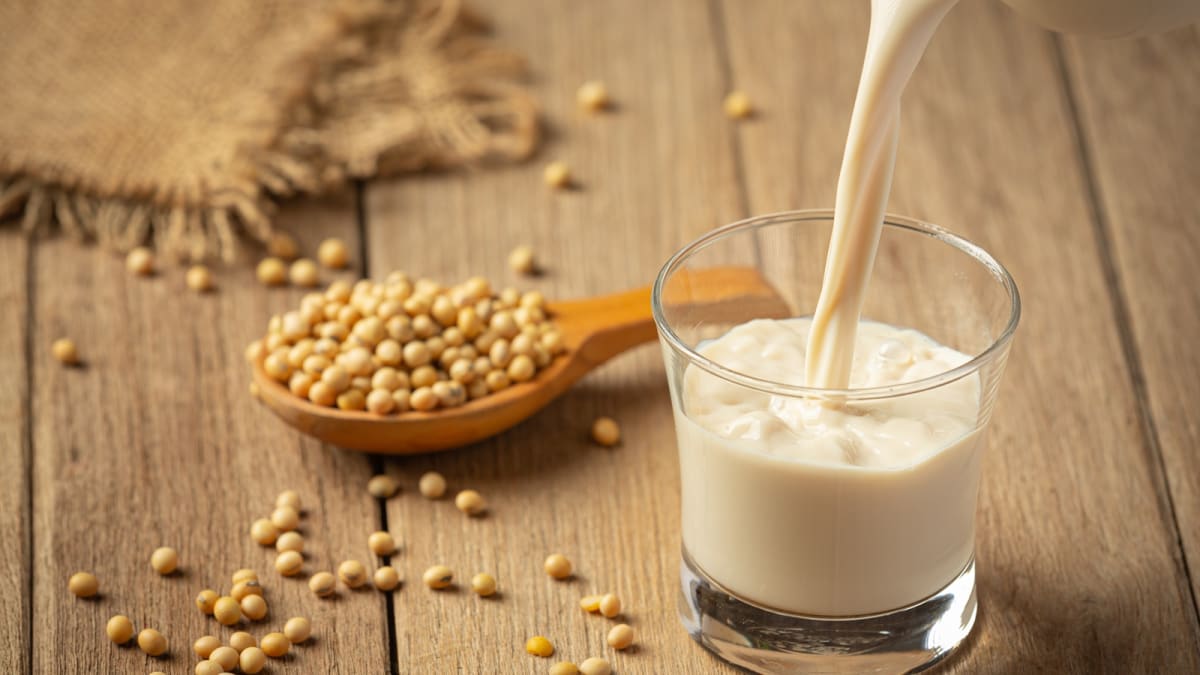
At the center of the soy-menopause discussion are isoflavones, a class of phytoestrogens found predominantly in soybeans and soy-derived foods like tofu, tempeh, edamame, and miso. Structurally, isoflavones—specifically genistein and daidzein—share a chemical similarity to human 17-beta-estradiol, the primary female sex hormone that declines significantly during perimenopause and menopause.
Because of this structural resemblance, phytoestrogens can weakly bind to estrogen receptors in human tissues. However, their biological activity is nuanced:
- Selective Receptor Binding: Isoflavones exhibit a higher binding affinity for estrogen receptor beta (ER-beta) than for estrogen receptor alpha (ER-alpha). ER-beta is heavily distributed in bone, vascular, and brain tissue, which helps explain why soy intake may positively influence bone mineral density and cardiovascular markers without overstimulating uterine or breast tissues.
- Modulating Endogenous Hormones: In environments with high circulating estrogen, isoflavones can act as competitive antagonists, potentially mitigating excessive stimulation. In low-estrogen environments like postmenopause, they can exert mild estrogen-like agonist effects, offering gentle physiological support.
Interpreting Clinical Evidence and Population Variations
Clinical data examining soy and menopausal symptom reduction present a complex picture. While epidemiological studies consistently show that populations consuming high amounts of traditional soy products experience milder menopausal transitions, randomized controlled trials in Western cohorts often yield mixed results.
This discrepancy is partially attributed to gut microbiome metabolism. Not all individuals possess the specific gut bacteria required to convert daidzein into equol, a metabolite with significantly higher estrogenic potency than its parent compound. Population studies suggest that a higher percentage of individuals consuming a traditional Asian diet harbor equol-producing gut microbiota, potentially enhancing the systemic benefits of dietary soy.
Practical Guidance for Integrating Soy Into Everyday Meals
For individuals looking to incorporate more phytoestrogen-rich foods into their daily nutrition, focusing on minimally processed, whole-food sources is the most sustainable approach. Whole and fermented soy products offer robust nutritional profiles, including high-quality plant protein, fiber, and essential micronutrients.
Individual Considerations and Dietary Limitations
While whole-food soy is safe and nutritious for the general population, individual metabolic variations and medical histories matter. Individuals with specific thyroid conditions should consult healthcare providers, as high intakes of soy can occasionally interfere with synthetic thyroid hormone absorption if iodine status is suboptimal. Furthermore, those with a personal or family history of hormone-sensitive cancers should discuss phytoestrogen intake with an oncologist or registered dietitian to ensure dietary patterns align with personalized medical guidance. Emphasizing moderation and dietary diversity remains the foundation of long-term metabolic health.
Sources & References
- Original Reporting: Coverage originally reported by indianexpress.com. View source publication →
- Scientific Context: Synthesized by the WelloraDaily Editorial Desk using peer-reviewed biomedical literature and public health guidance.
- Educational Notice: This article is intended for educational and informational purposes only and does not replace professional medical advice.

Elena Rostova
WelloraDaily Editorial Team