What Daily Oatmeal Consumption Does to Your Metabolism and Heart Health
The Nutritional Architecture of Whole Oats
When you incorporate oatmeal into your daily routine, you introduce a dense profile of complex carbohydrates, plant-based protein, and essential micronutrients into your diet. Unlike refined grains, which are stripped of their fibrous outer layers during processing, whole-grain oats retain the bran, endosperm, and germ. This structural integrity is critical for delivering sustained energy without causing rapid spikes and crashes in blood glucose levels.
From a macronutrient perspective, a standard half-cup serving of dry rolled oats provides roughly 150 calories, 5 grams of protein, 4 grams of dietary fiber, and healthy unsaturated fats. Furthermore, oats are rich in essential minerals, including magnesium, phosphorus, iron, and zinc. They also contain unique antioxidant compounds known as avenanthramides, which have been shown in laboratory studies to exhibit anti-inflammatory and anti-itching properties by helping to suppress inflammatory cytokines.
The Biochemical Mechanism of Beta-Glucan
The primary health driver in daily oat consumption is beta-glucan, a viscous, soluble dietary fiber found abundantly in the cell walls of oats. When beta-glucan is ingested and mixes with digestive fluids in the small intestine, it forms a thick, gel-like matrix. This gel plays a profound physiological role in lipid metabolism and cardiovascular health.
How Cholesterol Regulation Works
To manage cholesterol levels naturally, the body utilizes beta-glucan's binding capacity. The viscous gel traps bile acids—which are synthesized by the liver from cholesterol to aid in fat digestion—and prevents them from being reabsorbed in the gut. Instead, these bile acids are excreted. To manufacture new bile acids, the liver must pull low-density lipoprotein (LDL) cholesterol directly from the bloodstream, thereby lowering systemic circulation of 'bad' LDL cholesterol over time.
Blood Sugar Stabilization
Beyond lipid profiles, the gel-like consistency created by beta-glucan slows down gastric emptying and delays the enzymatic breakdown of starches into glucose. This slower rate of intestinal absorption results in a blunted postprandial glycemic response. For individuals managing insulin resistance or prediabetes, this gradual entry of glucose into the bloodstream prevents the sharp insulin spikes typically associated with processed breakfast cereals.
Practical Preparation Strategies for Maximum Benefit
How you prepare your daily bowl of oatmeal significantly influences its nutritional impact. Adding excessive amounts of brown sugar, honey, or flavored syrups can easily negate the metabolic advantages of the grain by triggering unnecessary blood sugar fluctuations.
- Opt for minimally processed varieties: Steel-cut and traditional rolled oats undergo less mechanical processing than instant packets, resulting in a lower glycemic index and a more favorable fiber structure.
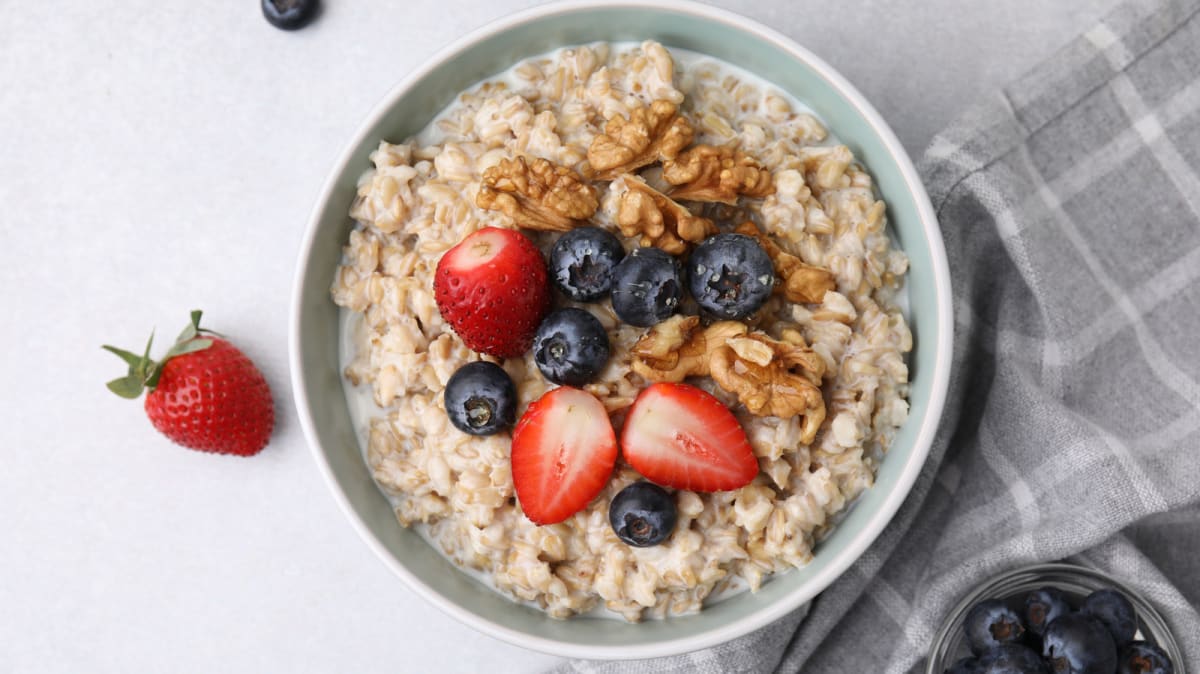
- Incorporate healthy fats and proteins: Pairing oats with a source of protein and fat—such as chopped walnuts, chia seeds, or a scoop of unflavored Greek yogurt—further slows digestion and enhances satiety.
- Consider overnight soaking: Soaking oats in water or milk overnight can help break down phytic acid, an anti-nutrient that can otherwise bind to minerals like iron and zinc, thereby improving mineral bioavailability.
Individual Variations and Potential Dietary Limitations
While daily oatmeal consumption is generally safe and beneficial for the vast majority of people, individual metabolic responses and gastrointestinal tolerances vary. Because oats are remarkably rich in fiber, suddenly transitioning from a low-fiber diet to a daily bowl of oats can cause temporary bloating, gas, or cramping. To prevent digestive discomfort, increase your fiber intake gradually and ensure adequate hydration.
Additionally, while oats are naturally gluten-free, they are frequently harvested, transported, and processed in facilities that also handle wheat, barley, and rye. For individuals with celiac disease or severe non-celiac gluten sensitivity, consuming conventional oats poses a high risk of cross-contamination. Those individuals must source oats explicitly labeled certified gluten-free to avoid adverse immune reactions.
Sources & References
- Original Reporting: Coverage originally reported by chowhound.com. View source publication →
- Scientific Context: Synthesized by the WelloraDaily Editorial Desk using peer-reviewed biomedical literature and public health guidance.
- Educational Notice: This article is intended for educational and informational purposes only and does not replace professional medical advice.

Elena Rostova
WelloraDaily Editorial Team