Picture this scenario: you sit down at your home office desk or cubicle at 9:00 AM, powered by nothing more than black coffee and ambitious willpower. Lunch is a tiny salad or an afterthought protein bar eaten between back-to-back spreadsheet reviews and status meetings. By 4:00 PM, you feel surprisingly proud of your restraint. But then 8:30 PM arrives. The workday wraps up, decision fatigue settles in, and suddenly you are standing in front of an open refrigerator or scrolling through food delivery apps, consuming half a day's worth of calories before bedtime.
If this sounds familiar, you are not failing because of a lack of discipline. You are trapped in one of the most common physiological pitfalls in modern wellness: undereating during the day only to inevitably overeat at night. For desk-bound professionals adhering to an eggetarian lifestyle—eating plant-based foods alongside eggs—breaking this cycle requires strategic nutrition, predictable meal pacing, and an understanding of how sedentary hours affect your metabolism.
The Anatomy of the Daytime Starve-Nighttime Binge Cycle
When you sit for eight to ten hours a day, your natural energy expenditure remains relatively low. Many office workers attempt to match this lower expenditure by severely cutting calories during working hours. However, your brain is still burning significant glucose managing cognitive tasks, meetings, and deadlines. When you withhold substantial nourishment during these high-stress hours, your body produces elevated levels of ghrelin, the primary hunger hormone, while simultaneously depleting circulating blood glucose.
By the time your workday concludes, your baseline biological drive to survive overrides any conscious dieting intentions. Cortisol levels peak from accumulated work stress, leptin (the fullness hormone) drops, and your brain demands calorie-dense, hyper-palatable comfort foods to rapidly replenish glycogen. The result is late-night overconsumption that disrupts sleep, promotes visceral fat storage, and leaves you waking up bloated and unmotivated to eat breakfast—starting the vicious cycle all over again.
Why the Eggetarian Pattern is an Unmatched Superpower for Desk Jobs
For individuals who do not consume poultry or red meat, eggs represent the ultimate nutritional bridge. A typical whole egg delivers around six grams of complete protein containing all nine essential amino acids, alongside critical micronutrients like choline for cognitive function and lutein for eye health against screen glare. Combining whole eggs and egg whites with plant proteins like lentils, legumes, tofu, and high-fiber grains creates an exceptional satiety matrix.
Protein and dietary fiber possess the highest Thermic Effect of Food (TEF). This means your body expends more energy breaking down protein-rich scrambles, boiled eggs, and fiber-dense salads than it does digesting processed office snacks. Furthermore, egg-based meals prevent the sharp insulin spikes and subsequent mid-afternoon energy crashes commonly triggered by carb-heavy vegetarian lunches.
The 4-Week Phased Blueprint: Structuring Your Month
Week 1: Front-Loading Fuel and Calibrating Daytime Meals
The goal of your first seven days is not aggressive restriction; it is establishing regular metabolic pacing. Focus entirely on shifting 60% of your total daily caloric intake to the hours between 8:00 AM and 3:00 PM. Begin your day with a solid breakfast featuring two whole eggs or three egg whites paired with complex carbohydrates such as rolled oats or whole-wheat sourdough. You will notice immediate improvements in cognitive sharpness and a dramatic drop in evening cravings.
Week 2: Mastering the 4:00 PM Defense Window
Between 3:30 PM and 5:00 PM lies the danger zone for desk workers. Energy drops, meetings wind down, and vending machines or pantry snacks beckon. During Week 2, implement a scheduled high-protein, moderate-fat afternoon anchor snack. Two hard-boiled eggs with a sprinkle of black pepper and sea salt, accompanied by a cup of unsweetened green tea or a handful of roasted chickpeas, will blunt late-afternoon ghrelin spikes and keep your blood sugar balanced through your commute or evening transition.
Week 3: Managing Sedentary Insulin Dynamics
Because physical activity is minimal while seated, your skeletal muscles require less circulating glucose throughout the working afternoon. In Week 3, refine your lunch structure to be fiber-dominant and protein-forward. Swap out refined grains like white rice or plain refined flour wraps for deeply pigmented vegetables, steamed edamame, spiced lentils, and boiled or poached eggs. This balance ensures your pancreas does not release excess insulin, encouraging your body to access stored fat during inactive working hours.
Week 4: Setting the Evening Boundary and Habit Consolidation
By the final week, daytime hunger should feel completely manageable. Now is the time to build your evening defense perimeter. Shift your dinner to a lighter, nutrient-dense meal consumed at least two to three hours before bedtime. Emphasize warm vegetable soups paired with an egg-white frittata, or a paneer and egg-white stir-fry with leafy greens. Once dinner is complete, institute a strict kitchen closing time to allow your digestive tract to rest and facilitate deep, restorative sleep.
The Desk Worker's Daily Meal Template
To implement this blueprint without spending hours in the kitchen, use this practical framework that blends minimal morning preparation with high-yield satiety:
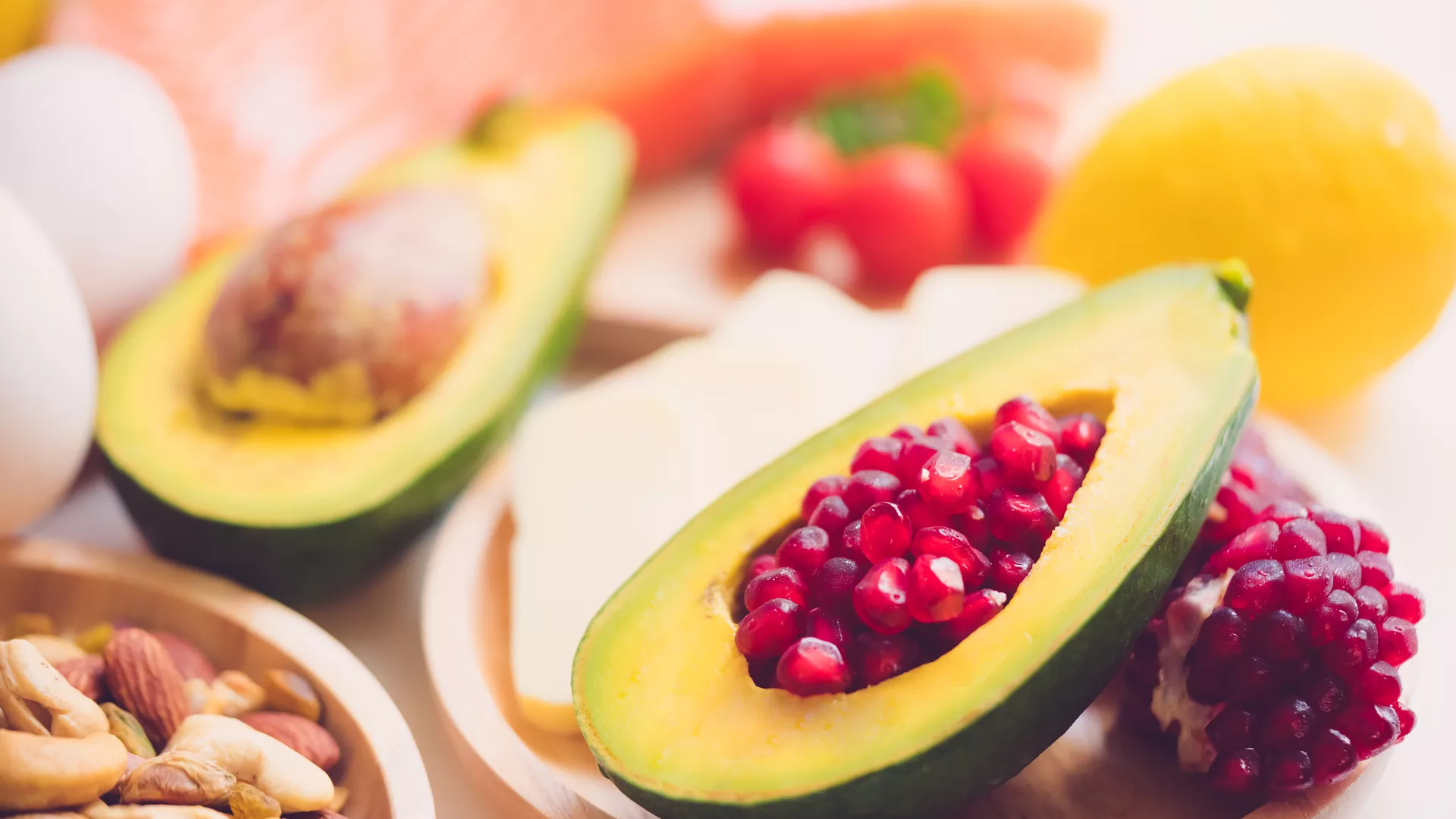
- Morning Anchor (7:30 AM - 8:30 AM): A two-egg veggie scramble cooked in a teaspoon of cold-pressed olive oil, served with half an avocado and a slice of toasted sprouted-grain bread. This delivers steady energy, essential fats, and bioavailable protein.
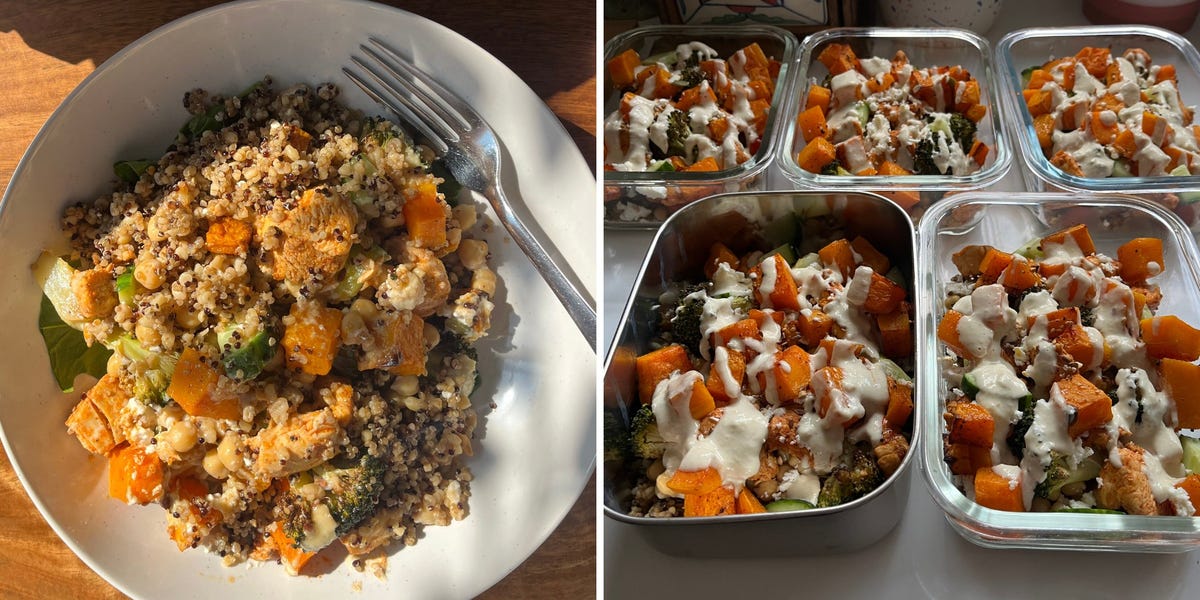
- Desk Fuel Lunch (12:30 PM - 1:30 PM): A Mediterranean-inspired bowl containing mixed salad greens, chopped cucumbers, cherry tomatoes, half a cup of cooked quinoa, two boiled eggs sliced, and a light dressing of lemon juice and tahini.
- The Ghrelin Blocker (4:00 PM): Two hard-boiled egg whites paired with a small handful of raw walnuts or a small bowl of sprouted mung bean salad.
- Restorative Dinner (7:30 PM - 8:00 PM): A warming vegetable stew or spiced lentil soup (dal) enriched with two poached eggs or a serving of lightly seared tofu and sautéed spinach.
- Evening Wind-Down: A warm cup of chamomile or peppermint tea without sweeteners.
Key Actionable Strategies for Lasting Success
Sustainable fat loss for desk-bound professionals relies on intentional lifestyle friction. Keep these actionable habits in mind over the course of the month:
- Batch Prep Hard-Boiled Eggs: Boil a dozen eggs every Sunday and Wednesday evening. Having ready-to-eat protein in your refrigerator eliminates the urge to order takeout when work runs late.
- Honor the 20-Minute Meal Rule: Never eat lunch directly over your keyboard. Step away from your screens for twenty minutes. Mindful eating allows your brain to register fullness cues properly, preventing post-lunch grazing.
- Hydrate Before You Caffeinate: Desk workers often mistake dehydration for acute hunger. Aim for 500 milliliters of water upon waking and keep a one-liter reusable bottle at your workspace, refilling it at least twice during business hours.
- Incorporate Micro-Walks: Break up long sedentary blocks with two-minute walking breaks every hour. These mini-movements activate muscle contraction, improving insulin sensitivity without requiring dedicated gym time.
Final Thoughts: Consistency Over Perfection
Weight management while maintaining a demanding desk career does not require severe deprivation, extreme cleanses, or grueling two-hour daily workouts. By correcting the timing of your nutritional intake, leaning on the balanced satiety of an eggetarian framework, and front-loading your daily energy needs, you dismantle nighttime bingeing at its physiological root. Over the next thirty days, treat your meals not as an afterthought squeezed between meetings, but as the foundational fuel that powers both your professional productivity and long-term vitality.
Source Attribution: Article content originally reported by Vaibhavi Mishra. Read original story coverage on Vaibhavi Mishra →