Have you ever received a routine immunization only to spend the next 24 hours curled under three blankets, shivering with a sudden fever and body aches, while your friend barely felt a sore arm? For years, doctors largely attributed this stark contrast to personal genetics, baseline immune vigor, or simple luck of the draw. However, pioneering research is shining a bright light on an unexpected culprit: your dinner plate.
A compelling new study has revealed an intriguing connection between gut health and post-vaccination reactions. Researchers found that specific inflammation-promoting bacteria in the gut microbiome are directly linked to the development of fevers following Covid-19 vaccines. Most critically, this pro-inflammatory bacterial profile was closely associated with a diet heavy in dietary fats and ultra-processed food additives. As global scrutiny over ultra-processed foods (UPFs) continues to intensify, these findings offer a grounded, biological explanation for how our modern food supply might be inadvertently turning up the dial on our immune responses.
The Gut Microbiome: The Immune System's Grand Conductor
To understand why a packaged snack might influence your body's response to an injection in your deltoid muscle, it helps to step back and look at where the majority of your immune system actually lives. Roughly 70 to 80 percent of your body's immune cells reside in the gut-associated lymphoid tissue (GALT), nestled right alongside trillions of microscopic gut bacteria, fungi, and viruses known collectively as the microbiome.
In a balanced, flourishing ecosystem, beneficial microbes feed on dietary fibers and produce short-chain fatty acids (SCFAs), such as butyrate, which actively calm systemic inflammation and train immune cells to respond proportionally to real threats. But when that delicate garden is neglected or overwhelmed by processed additives and unhealthy fats, opportunistic bacteria take over.
According to the recent research, individuals harboring higher levels of inflammation-causing bacterial species were markedly more likely to experience feverish reactions after their Covid-19 shots. Rather than existing in an isolated bubble, these gut microbes establish a baseline level of systemic inflammation, priming the immune system to fire on all cylinders when introduced to an antigen.
The UPF Connection: What Processed Foods Do to Gut Flora
How does a diet heavy in fat and synthetic additives lead to such a reactive gut? The answer lies in the design of modern ultra-processed foods. From shelf-stable baked goods to packaged frozen meals, UPFs are intentionally engineered for hyper-palatability and long shelf lives, frequently relying on ingredients that disrupt delicate microbial balances.
- Dietary Emulsifiers and Thickeners: Common additives such as polysorbate-80, carboxymethylcellulose, and carrageenan have been shown to degrade the protective mucus layer lining the intestinal wall, allowing inflammatory bacteria to interact directly with gut tissue.
- Unbalanced, Oxidized Fats: Diets loaded with excessive saturated fats and processed industrial seed oils can stimulate the proliferation of bile-tolerant, endotoxin-producing bacteria like Bilophila wadsworthia, which trigger inflammatory signaling cascades throughout the bloodstream.
- Starving the Good Guys: Ultra-processed foods are famously stripped of natural, intact dietary fiber. Without fiber to consume, beneficial microbes diminish, while microbial strains that thrive on simple sugars and refined starches proliferate.
The resulting imbalance—a state known as dysbiosis—effectively leaves the body on high alert. When an immunization introduces an antigen designed to stimulate an immune response, a gut-primed system does not merely build protective antibodies; it can trigger an exaggerated systemic reaction that manifests as chills, headaches, and debilitating fevers.
Reactogenicity vs. Efficacy: What Does This Mean for You?
It is vital to distinguish between a vaccine's efficacy and its reactogenicity. A mild or moderate immune response following a vaccine is completely natural; it indicates that your immune system recognizes the antigen and is assembling an army of protective B-cells and T-cells. However, severe reactogenicity—intense fevers and systemic distress—is not a requirement for building robust, long-lasting immunity.
These study results suggest that while vaccines are doing their job, an unhealthy microbiome may unnecessarily heighten our discomfort. Experiencing a high fever might not simply be a reflection of a strong immune response, but rather a reflection of underlying, unresolved metabolic and gut-driven inflammation.
As consumer pushback against ultra-processed foods gains steam across nutrition science, public health policy, and wellness communities, these findings add another compelling piece of evidence to the conversation. UPFs are no longer just linked to long-term chronic conditions like obesity and cardiovascular disease; they appear to actively shape how our bodies navigate acute immune events in real time.
Practical Steps to Nourish Your Microbiome and Calm Systemic Inflammation
The silver lining of gut research is that your microbiome is remarkably dynamic. Even small, consistent modifications to your daily eating habits can dramatically shift your bacterial population in a matter of weeks, laying a calmer foundation for your immune system.
1. Crowd Out Processed Additives
Focus on real, single-ingredient whole foods whenever possible. Take a closer look at ingredient labels on pantry staples like salad dressings, plant-based milks, and snack bars, opting for versions free from synthetic thickeners, artificial sweeteners, and chemical emulsifiers.
2. Diversify Your Plant Intake
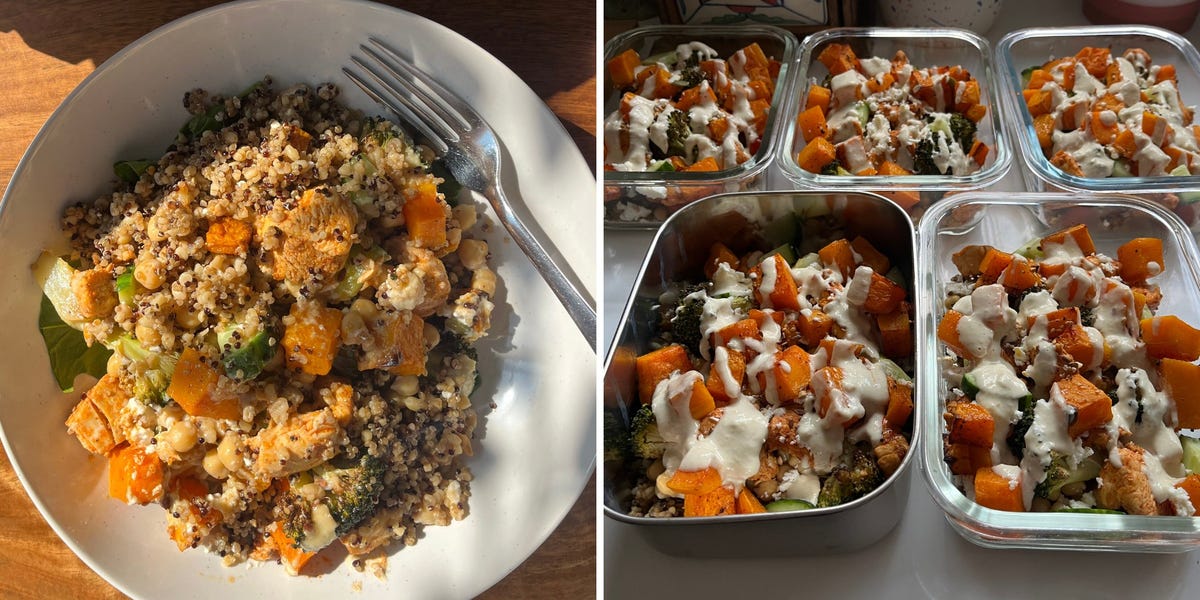
Aim to consume 30 different plant foods each week, including vegetables, fruits, legumes, whole grains, nuts, and seeds. A diverse range of prebiotic fibers provides fuel for diverse beneficial bacterial colonies, crowding out the inflammation-causing species identified in recent research.
3. Incorporate Naturally Fermented Foods
Traditional fermented foods introduce living, beneficial cultures that help reinforce the gut barrier. Consider adding a small daily serving of plain kefir, unsweetened yogurt, raw sauerkraut, kimchi, or traditional miso to your meal routine.
4. Prioritize Anti-Inflammatory Fats
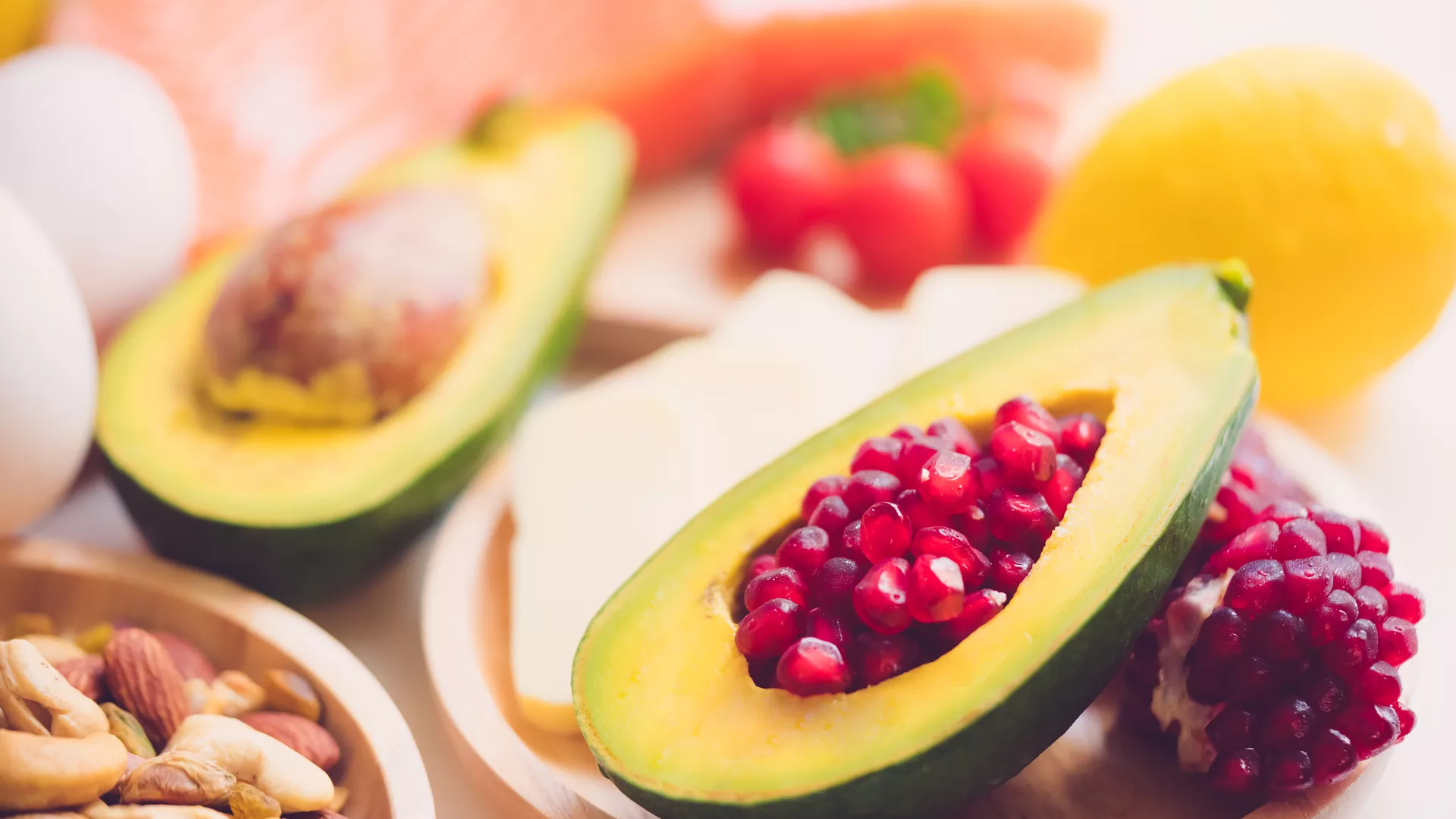
Shift your fat sources away from deep-fried items and packaged snacks. Instead, lean heavily on extra virgin olive oil, wild-caught fatty fish (like salmon and sardines), avocados, and walnuts, which supply healthy fats known to support cellular health and tamp down systemic inflammation.
Key Takeaways
- Microbiome-Fever Connection: New research demonstrates that inflammation-promoting gut bacteria are directly linked to post-vaccination fevers following Covid-19 immunizations.
- Dietary Triggers: This specific inflammatory bacterial profile is heavily driven by diets high in unhealthy fats and synthetic ultra-processed food additives.
- Systemic Impact: Gut dysbiosis can create baseline low-grade inflammation, potentially making acute vaccine side effects more severe than necessary.
- Actionable Resilience: Cultivating a resilient gut through whole, fiber-rich plants and fermented foods while minimizing UPFs can support balanced immune function every day.
Our bodies do not operate in silos. What you feed your microbiome today ripples outward, influencing everything from your daily energy and digestive comfort to how your immune system responds to life-saving medical interventions. By prioritizing whole, nourishing foods, you give your body the tools it needs to protect you smoothly, effectively, and without unnecessary turbulence.
Source Attribution: Article content originally reported by Augustus Bambridge-Sutton. Read original story coverage on Augustus Bambridge-Sutton →