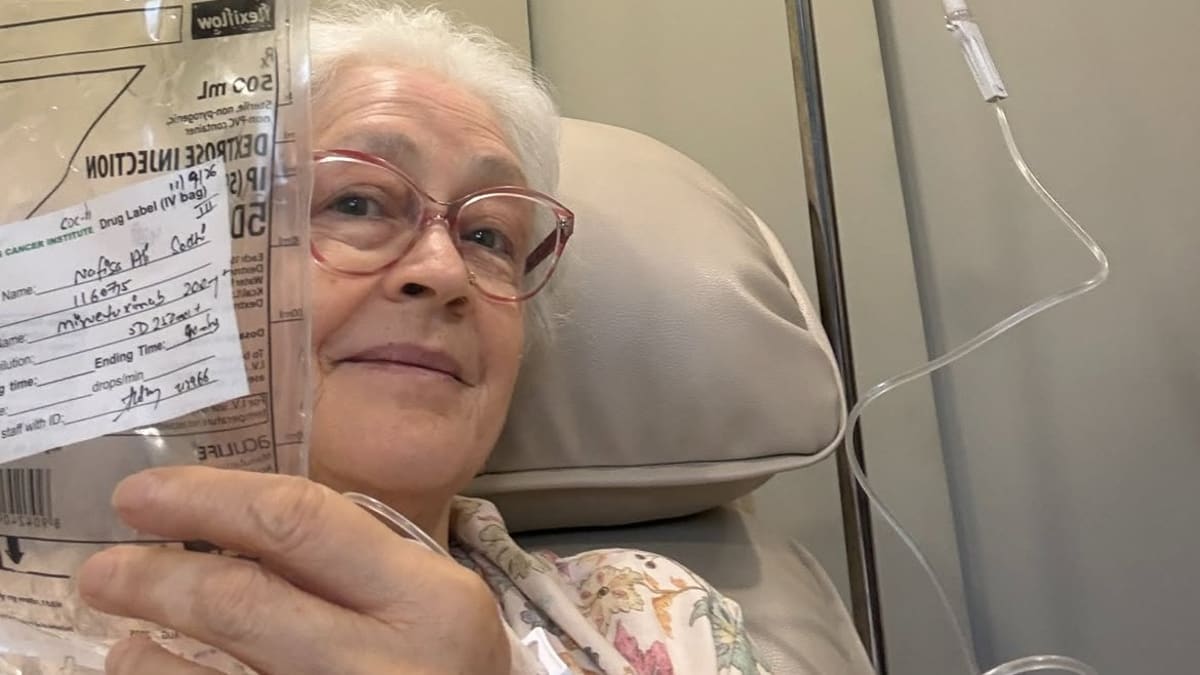
Understanding Stage 4 Ovarian Cancer: Nafisa Ali’s Journey and the Power of Targeted Therapy
When beloved veteran actor Nafisa Ali recently posted a candid update from her hospital bed, the news struck a deep chord with admirers and cancer advocates worldwide. Facing a progression in her ongoing battle with Stage 4 ovarian and peritoneal cancer—which has now spread to her liver—she shared that her medical team is transitioning her care toward targeted therapy. Her openness not only highlights the courage required to navigate chronic malignancy, but it also shines an urgent spotlight on the realities of advanced ovarian cancer, how metastasis occurs, and what modern targeted treatment options mean for patients today.
The Clinical Reality of Stage 4 Ovarian and Peritoneal Cancer
To truly understand Nafisa Ali’s medical update, it helps to examine how ovarian and primary peritoneal cancers behave. Often grouped together because they share similar tissue origins and clinical behaviors, these malignancies develop in the ovaries, fallopian tubes, or the peritoneum—the thin, protective membrane that lines the inner abdomen and encloses abdominal organs.
Ovarian cancer is frequently called a ‘silent’ disease because its initial symptoms can easily be mistaken for routine digestive complaints or age-related discomforts. As a result, a significant proportion of women are diagnosed only after the disease has reached an advanced stage. Stage 4 signifies that cancer cells have journeyed beyond the pelvis and abdominal peritoneum to distant anatomical sites, such as the fluid around the lungs (pleural effusion) or inside the liver parenchyma itself.
How Metastasis Reaches the Liver
The progression of cancer from the pelvic cavity to the liver represents a major clinical shift. In earlier stages, ovarian cancer tends to spread through local direct shedding, coating the surfaces of abdominal organs like the colon, stomach, and liver capsule.
However, true metastasis within the liver tissue occurs when malignant cells invade the bloodstream or lymphatic channels, lodging inside the organ and establishing secondary colonies. When this occurs, conventional standard therapies often require re-evaluation. The liver serves as the body’s primary metabolic engine and filtration hub, making its protection essential during ongoing systemic anti-cancer treatments.
What Is Targeted Therapy and How Does It Work?
In her update, Nafisa Ali noted that her protocol has shifted toward targeted therapy. For many patients facing advanced or recurrent cancer, this therapeutic avenue represents one of the most promising frontiers of precision oncology. But what does targeted therapy actually entail?
Unlike standard cytotoxic chemotherapy, which works somewhat like a blunt instrument by destroying rapidly dividing cells throughout the entire body, targeted therapy is precision-engineered. It homes in on specific genetic mutations, molecular pathways, and protein signals that malignant cells need to divide, repair, and survive.
Key Categories of Targeted Treatment
- PARP Inhibitors: Poly (ADP-ribose) polymerase inhibitors block an enzyme that cancer cells rely on to repair damaged DNA. In cells with specific genetic alterations (such as BRCA mutations or homologous recombination deficiencies), PARP inhibitors prevent self-repair, driving the cancer cells to cellular death.
- Anti-Angiogenesis Agents: Tumors need a constant blood supply to grow. Anti-angiogenic therapies target growth signals like VEGF (Vascular Endothelial Growth Factor), effectively inhibiting the formation of new blood vessels and starving tumor clusters.
- Antibody-Drug Conjugates (ADCs): These advanced drugs act like molecular guided missiles, carrying a potent anti-cancer compound directly to specific receptors on cancer cells while sparing surrounding healthy tissue.
By focusing on these biological vulnerabilities, targeted approaches can often curb disease progression, maintain stable quality of life, and offer prolonged control even when cancer exhibits resistance to traditional platinum-based chemotherapies.
The Subtle Warning Signs: Knowing Your Body
The conversation surrounding Nafisa Ali’s health is also an important reminder of the quiet signals our bodies give us. While every individual’s journey is unique, recognizing the persistent signs of ovarian and peritoneal issues can encourage earlier medical investigations.
- Persistent Abdominal Bloating: Bloating that does not fluctuate with meals or your cycle and lasts for several consecutive weeks.
- Early Satiety and Loss of Appetite: Feeling noticeably full after eating only a few bites of food.
- Pelvic or Abdominal Discomfort: Persistent pressure, aching, or localized cramp-like sensations in the lower torso.
- Altered Urinary Habits: Experiencing a sudden, frequent urge to urinate or difficulty making it to the restroom in time.
- Unexplained Fatigue and Weight Changes: Feeling chronically exhausted despite adequate sleep, alongside unintentional fluctuations in weight.
Experiencing one or two of these signs occasionally is common and usually benign. However, if symptoms are persistent, progressive, and represent a change from your baseline, a consultation with a gynecologist or physician is strongly recommended.
Resilience, Transparency, and Community Support
Throughout her career and her subsequent health updates, Nafisa Ali has maintained an inspiring degree of transparency. Navigating advanced cancer is not simply a biological battle; it is an intensely emotional, spiritual, and psychological experience that touches an entire circle of family, friends, and caregivers.
By sharing her hospital photos and treatment shifts, she demystifies the lived reality of cancer survival. Living with metastatic illness often involves continuous cycles of treatment, scans, adaptations, and recalibrations. Openness from public figures normalizes the vulnerability of being a patient, destigmatizes advanced disease, and reassures others walking similar paths that they are not alone.
Key Takeaways for Patients and Families
- Advocate for Genetic and Biomarker Profiling: In advanced ovarian malignancies, comprehensive tumor profiling can identify actionable mutations that open doors to targeted treatments and clinical trials.
- Prioritize Quality of Life: Targeted therapies often offer distinct side-effect profiles compared to standard chemotherapy, making proactive symptom management and open dialogue with oncologists crucial.
- Lean on Supportive and Palliative Care: Palliative care is not merely end-of-life care; it is an invaluable discipline centered on managing pain, nausea, fatigue, and emotional distress from the day of diagnosis onward.
- Never Dismiss Persistent Gut Changes: Ongoing changes in digestion, abdominal swelling, or unexplained fullness warrant thorough medical evaluation.
As Nafisa Ali embarks on this next phase of targeted therapy, the outpouring of well-wishes across the globe serves as a poignant reminder of human empathy in the face of serious illness. Her journey continues to inspire conversations around resilience, early detection, and the critical role modern oncology plays in offering hope through every chapter of treatment.
Source Attribution: Article content originally reported by India Today Entertainment Desk. Read original story coverage on India Today Entertainment Desk →

Elena Rostova
WelloraDaily Editorial Team