Beyond the Energy Drink: Exploring Taurine and Mental Well-Being
Understanding Taurine Beyond the Beverage Aisle
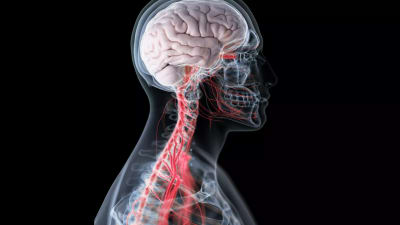
When most people encounter taurine, it is in the context of a brightly colored energy drink, often wedged between caffeine and B-vitamins. Because of this association, taurine is frequently misunderstood as a stimulant. In reality, taurine is a naturally occurring amino acid sulfonic acid found abundantly in the human brain, heart, and skeletal muscles. Unlike caffeine, which blocks adenosine receptors to create alertness and temporary nervous system arousal, taurine acts primarily as a neuroprotector and a modulator of inhibitory neurotransmission.
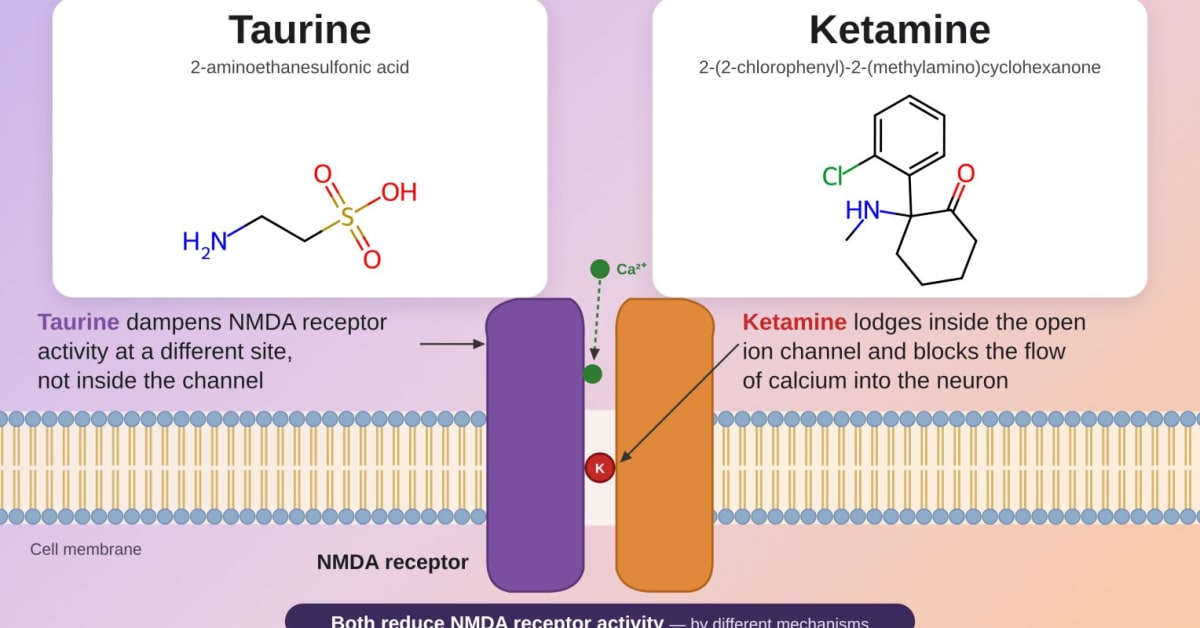
In the central nervous system, taurine plays a crucial role in regulating calcium homeostasis, reducing oxidative stress, and supporting the inhibitory neurotransmitter gamma-aminobutyric acid (GABA). Because GABA is responsible for calming neural activity and mitigating the physiological cascade of stress, researchers have increasingly turned their attention toward taurine's potential implications for psychological health and emotional regulation.
The Neurobiological Mechanisms: How Taurine Interacts with the Brain
To appreciate why behavioral scientists are investigating taurine, it helps to examine its cellular footprint. Taurine functions as an endogenous neuromodulator. It can bind to GABAA receptors, mimicking or enhancing the calming effects of GABA itself. This mechanism is somewhat analogous to how certain anxiolytic medications operate, though taurine's action is significantly milder and acts more as a supportive metabolic agent than a pharmaceutical intervention.
Oxidative Stress and Mood Regulation
Chronic psychological stress and anxiety are frequently correlated with heightened levels of inflammation and oxidative damage within neural tissues. Preclinical behavioral research indicates that taurine exhibits antioxidant properties, helping to protect neurons from free radical damage. By preserving cellular integrity in brain regions heavily involved in emotional processing—such as the hippocampus and the prefrontal cortex—taurine may help support resilience against the cognitive wear-and-tear associated with chronic stress.
Neuroplasticity and Cellular Health
Beyond its immediate calming effects, taurine is involved in supporting neurogenesis—the growth and development of new neurons. Emerging studies in nutritional psychiatry suggest that maintaining adequate cellular health is a foundational prerequisite for effective psychological adaptation. When neurons are protected from metabolic exhaustion, the brain is better equipped to engage in the neuroplastic remodeling necessary for learning new behavioral patterns and recovering from mood disturbances.
Behavioral Science and Evidence-Based Strategies
While the biochemical properties of taurine are fascinating, translating cellular mechanisms into everyday mental health management requires a careful look at the existing scientific literature. Most robust data regarding taurine's neurological impacts stem from animal models or small-scale human trials focusing primarily on physical endurance, cardiovascular health, or metabolic disorders. Direct, definitive clinical evidence proving that taurine supplementation can cure or significantly treat psychological disorders remains in its early stages.
Consequently, mental health professionals emphasize that dietary supplements should never replace evidence-based psychotherapeutic modalities, such as Cognitive Behavioral Therapy (CBT), mindfulness-based stress reduction, or clinical treatment plans overseen by qualified healthcare providers. Nutritional factors can provide a supportive biological foundation, but they operate best alongside established psychological frameworks.
Practical Approaches to Nutritional and Mental Wellness
For readers interested in supporting their cognitive health and emotional resilience through lifestyle measures, a holistic approach is always superior to relying on a single compound. Consider the following evidence-informed strategies to foster mental well-being:
- Prioritize Whole Food Nutrition: Taurine is naturally present in various protein-rich foods, particularly seafood (such as shellfish and fish) and poultry, rather than just heavily processed beverages. A balanced diet provides a synergistic blend of amino acids, vitamins, and minerals essential for neurotransmitter synthesis.
- Engage in Structured Stress Management: Practices like mindfulness meditation and diaphragmatic breathing directly stimulate the parasympathetic nervous system, naturally enhancing GABAergic activity in a manner that complements good physiological health.
- Maintain Healthy Sleep Hygiene: Adequate rest allows the brain to clear metabolic waste products and regulate neurotransmitter receptors effectively. Sleep deprivation, by contrast, depletes neuroprotective resources and exacerbates anxiety.
- Consult Clinical Professionals: Anyone experiencing persistent mood shifts, chronic anxiety, or depressive symptoms should seek guidance from a licensed mental health clinician or registered dietitian before introducing high-dose amino acid supplements into their routine.
Ultimately, while taurine remains an intriguing molecule with diverse physiological roles, viewing it through a balanced, scientifically grounded lens ensures that lifestyle choices are safe, realistic, and truly supportive of long-term psychological health.
Sources & References
- Original Reporting: Coverage originally reported by Psychology Today. View source publication →
- Scientific Context: Synthesized by the WelloraDaily Editorial Desk using peer-reviewed biomedical literature and public health guidance.
- Educational Notice: This article is intended for educational and informational purposes only and does not replace professional medical advice.

Elena Rostova
WelloraDaily Editorial Team