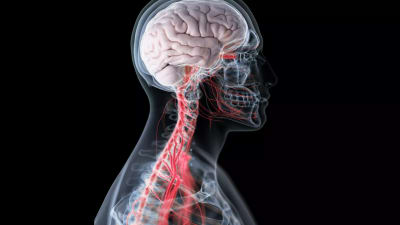
The Body-Clock Connection: How Circadian Misalignment May Drive a Unique Subtype of Depression
Have you ever experienced mornings where climbing out of bed felt less like waking up and more like dragging yourself through molasses, even after a full night of rest? Or perhaps you have noticed your mental clarity and emotional resilience plunge unpredictably at specific hours of the day, as if your mind operates on a completely different timetable than the rest of the world. For millions of people grappling with persistent mood disruptions, these patterns are not simply signs of stress or poor sleep hygiene—they may point to a fundamentally distinct biological phenomenon.
Groundbreaking findings in chronobiology suggest that a newly recognized ‘circadian’ subtype of depression may be deeply rooted in misalignments of the human body’s internal clock. Rather than originating solely from chemical imbalances in neurotransmitters like serotonin or dopamine, this form of depression appears to stem from a broken synchrony between our cellular biological pacemakers and our daily environment. Understanding this distinct mechanism could open the door to targeted, non-pharmacological interventions that focus on resetting our master clocks.
The Master Pacemaker: How the Circadian System Governs Mental Health
Every biological cell in the human body houses its own molecular timekeeping system, coordinated by a tiny region in the hypothalamus known as the suprachiasmatic nucleus (SCN). Often referred to as the body’s master clock, the SCN responds directly to light signals captured by the retina. It orchestrates a vast symphony of daily physiological processes, from core body temperature fluctuations and blood pressure shifts to the precise release of hormones like cortisol and melatonin.
Under optimal conditions, this internal metronome runs on a roughly 24-hour cycle that aligns smoothly with natural day-night patterns. When morning light enters the eyes, cortisol spikes to promote alertness, while melatonin levels remain subdued. As darkness falls, the process reverses: melatonin surges to encourage deep, restorative sleep, while metabolic rate and body temperature drop.
In individuals with circadian-driven mood disorders, however, this rhythm becomes blunted, delayed, or completely fragmented. Cortisol may spike late in the evening instead of the early morning, keeping the nervous system in a state of hyperarousal at night. Meanwhile, melatonin production might lag well into the morning hours, producing severe brain fog, profound lethargy, and a persistent sensation that mirrors chronic jetlag.
Defining 'Circadian Depression': How It Differs from Typical MDD
Depression has historically been diagnosed as a broad, monolithic condition, yet clinicians have long observed that patients experience depression in strikingly varied ways. The identification of a circadian subtype brings much-needed clarity to patterns that previously defied standard diagnostic categories.
Individuals experiencing circadian depression often present with several characteristic signs:
- Diurnal Mood Variation: A pronounced, predictable shift in symptoms throughout the day, where severe morning depression gradually lifts by evening, or conversely, evening melancholia sets in regardless of daily events.
- Delayed or Advanced Sleep Phase: An inability to fall asleep before the early hours of the morning, coupled with severe difficulty awakening at conventional times, despite strict adherence to standard sleep routines.
- Erratic Temperature Cycles: Disrupted core body temperature rhythms that fail to drop properly at night, impairing deep slow-wave and REM sleep architecture.
- Seasonal Vulnerability: Heightened sensitivity to changing day lengths, manifesting as sharp declines in energy and mood as autumn and winter reduce ambient sunlight.
When the internal clock drifts out of alignment with the external solar cycle—a state scientists refer to as circadian desynchrony—the brain’s emotional regulation circuits are deprived of the predictable chemical cues they need to stabilize mood.
Why Traditional Antidepressants May Fall Short
For decades, the dominant clinical strategy for major depression has centered around standard pharmacotherapies, such as selective serotonin reuptake inhibitors (SSRIs). While these medications remain vital tools for many, a significant percentage of patients achieve only partial relief or find that their medication fails to alleviate chronic morning fatigue, insomnia, and anhedonia.
This treatment gap makes sense when viewed through a chronobiological lens. While an SSRI can increase neurotransmitter availability in the synaptic cleft, it does not necessarily repair a desynchronized suprachiasmatic nucleus. If the underlying driver of emotional instability is an out-of-sync biological rhythm, treating the condition without addressing the clock is akin to resetting a watch’s hands while its internal gears remain stuck.
The Promise of Chronotherapy and Targeted Sleep Interventions
Because the root cause of this depression subtype lies in timing, researchers and clinicians are increasingly turning toward chronotherapies—evidence-based interventions designed specifically to recalibrate circadian rhythms. Unlike conventional sedative-hypnotic sleep aids, which often mask sleep issues without fixing biological timing, chronotherapies aim to restore natural rhythmic amplitude.
1. Targeted Bright Light Therapy (Phototherapy)
Exposure to high-intensity broad-spectrum light (typically 10,000 lux) within thirty minutes of waking is one of the most potent ways to signal morning to the SCN. This morning anchor halts melatonin production immediately, stabilizes cortisol rhythms, and advances the sleep phase so that natural sleepiness arrives earlier the following night.
2. Controlled Sleep Phase Adjustment
Chronotherapy protocols, often conducted under professional clinical guidance, gradually shift sleep and wake times in structured intervals. In some therapeutic settings, controlled sleep deprivation or wake therapy is utilized to rapidly reset neural rhythms, producing notable, fast-acting improvements in depressive symptoms within 24 to 48 hours.
3. Melatonin and Melatonin Receptor Agonists
Administering micro-doses of melatonin several hours before desired bedtime—rather than right as you get into bed—can act as a phase-advancing cue. This signals to the master clock that the day is ending, gradually shifting a delayed sleep cycle earlier over several weeks.
Daily Strategies to Recalibrate Your Internal Clock
Whether you suspect your low mood has a circadian component or simply want to optimize your energy levels, implementing practical daily habits can provide strong synchronization cues (known as zeitgebers) to your brain:
- Capture Early Sunlight: Step outside within 30 minutes of waking for at least 10 to 20 minutes of natural daylight. Even on overcast days, outdoor lux levels far exceed indoor lighting.
- Maintain Anchor Wake Times: Wake up at the exact same time every day—including weekends. A consistent wake time is the single most powerful anchor for stabilizing your circadian phase.
- Guard Against Evening Blue Light: Dim household lights and minimize screen exposure two hours before bedtime. Blue and green wavelengths trick the retina into believing it is still daytime, suppressing vital melatonin release.
- Synchronize Meal Times: Your metabolic organs have peripheral clocks that take cues from digestion. Avoid late-night eating, and aim to consume meals at predictable intervals during active daylight hours.
- Incorporate Morning Movement: Engage in light-to-moderate exercise shortly after waking. Physical activity increases core body temperature, reinforcing the brain’s morning wake-up signal.
Looking Ahead: A More Personalized Approach to Mental Health
The emerging science of circadian depression underscores a fundamental truth: human biology is rhythmic, deeply intertwined with the natural cycle of the Earth. As research advances, diagnosing mental health conditions may soon involve monitoring digital biomarkers, wearable activity rhythms, and personal chronotypes alongside traditional clinical interviews.
By treating the body’s internal clock not merely as a passive timekeeper, but as a dynamic engine of emotional balance, science is revealing an empowering path forward—one where reclaiming your rhythm may be the first and most critical step toward reclaiming your joy.
Source Attribution: Article content originally reported by Becky Upham. Read original story coverage on Becky Upham →

Elena Rostova
WelloraDaily Editorial Team