
When Crisis Strikes: Examining Mental Health Emergencies, Community Response, and Paths Forward After the Saginaw Incident
What happens when an individual's darkest mental health struggle collides with emergency response? It is a heartbreaking scenario unfolding across communities with alarming frequency, leaving families devastated, officers shaken, and neighborhoods searching for answers. Recently, this painful reality hit close to home in Saginaw, where an officer opened fire after a man experiencing a severe mental health crisis reportedly advanced toward police while armed with a rifle on Asbury Drive. Notably, this marks the suburb's second officer-involved shooting since May, bringing community safety and acute psychiatric response back under intense scrutiny.
The Critical Intersection of Mental Health and Law Enforcement
The events on Asbury Drive underscore a systemic challenge facing modern public health and safety. When someone experiences an acute psychiatric episode—whether driven by severe depression, bipolar disorder, psychosis, or trauma—their cognitive processing is profoundly altered. In these heightened states, standard logic, verbal commands, and perceptions of threat become warped. Yet, under conventional emergency dispatch protocols, armed law enforcement officers are frequently the primary or sole responders sent to manage these delicate medical crises.
When firearms or weapons enter the picture, the complexity multiplies exponentially. Officers are trained to assess lethal threats and protect both the public and themselves within split seconds. However, an individual holding a weapon during a mental breakdown is often not acting with criminal intent, but rather in the grip of terror, paranoia, or utter disorientation. This fundamental disconnect between psychiatric distress and tactical response creates a volatile environment where tragedies can happen in the blink of an eye.
Understanding the Biology of a Psychiatric Crisis
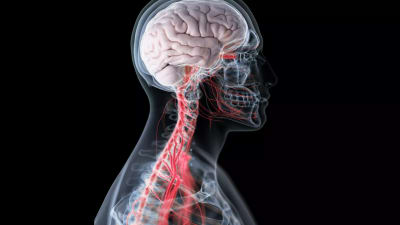
To truly understand how these confrontations unfold, we must examine what happens inside the brain during a mental health breakdown. Understanding these mechanisms helps explain why simple verbal commands often fail during an acute episode:
- Amygdala Hijack: During extreme emotional or psychiatric distress, the brain's threat center (the amygdala) overrides the prefrontal cortex, which governs executive function, rational decision-making, and impulse control.
- Sensory Overload and Auditory Exclusion: A person in severe crisis frequently experiences sensory flooding. Sirens, flashing lights, and multiple voices shouting commands can cause profound confusion rather than compliance.
- Distorted Perceptions: Paranoia or psychosis can cause an individual to perceive officers not as protectors, but as immediate mortal threats, triggering an aggressive fight-or-flight response.
Recognizing that a crisis is a neurobiological emergency rather than sheer defiance is the first step toward transforming how communities design their intervention models.
Rethinking First Response: Models That Work
Across the country, advocates, healthcare professionals, and progressive police departments are demonstrating that different outcomes are possible when mental healthcare is integrated directly into emergency calls. Several alternative frameworks have shown remarkable promise in de-escalating tense encounters before lethal force becomes an option:
1. The Co-Responder Model
In co-responder frameworks, licensed psychiatric clinicians, social workers, or crisis nurses accompany law enforcement officers to calls involving psychiatric distress. While police secure the scene to ensure physical safety, clinicians take the lead in communicating, assessing the patient's immediate mental status, and utilizing specialized verbal de-escalation techniques designed specifically for psychiatric distress.
2. Crisis Intervention Team (CIT) Training
CIT programs provide officers with intensive, 40-hour training developed in partnership with mental health professionals and local advocates. Officers learn to identify various psychiatric conditions, understand psychotropic medications, and practice de-escalation tactics that emphasize patience, space, and non-threatening body language over rapid physical compliance.
3. Dedicated Non-Police Mobile Crisis Units
For calls where immediate violence or weapons are not reported, civilian-led mobile crisis teams can respond independently. Programs like CAHOOTS in Eugene, Oregon, have demonstrated that the vast majority of mental health calls can be resolved safely without armed intervention, saving municipal funds and directing vulnerable individuals directly into clinical care.
Navigating a Mental Health Crisis: Guidance for Families
For families living with loved ones who suffer from severe psychiatric conditions, knowing how to handle an escalating crisis can be life-saving. When calling for emergency assistance, clear communication is paramount:
- Call or Text 988: The national Suicide & Crisis Lifeline provides free, confidential support from trained crisis counselors 24/7. When possible, consult 988 before escalating to 911 if there is no immediate physical danger.
- Clearly Request Crisis Intervention: If you must dial 911, immediately state: 'This is a psychiatric emergency. Please dispatch a Crisis Intervention Trained (CIT) officer or a mental health co-responder.'
- Provide Crucial Diagnostic Context: Inform dispatchers right away if the individual has a diagnosed mental health condition, whether they are off their medications, and whether they have access to weapons.
- Describe Their Triggers: Tell dispatch what might escalate the person (e.g., loud noises, multiple people approaching, bright lights) and what usually calms them down.
- Remain Visible and Calm: When responders arrive, keep your hands empty, step outside if safe to do so, and briefly brief the lead officer on the individual's mental state before they enter the home.
Key Takeaways for Community Well-Being
The tragedy in Saginaw serves as an urgent reminder that communities cannot afford to treat acute psychiatric distress solely through the lens of criminal justice. As neighborhoods push for accountability and safety, several foundational priorities emerge:
- Proactive Mental Health Infrastructure: Crises rarely happen in a vacuum; they often stem from months or years of untreated distress, lack of insurance coverage, or shortages of inpatient psychiatric beds.
- Transparent Community Dialogue: Recurring incidents—such as two officer-involved shootings in Saginaw within a matter of months—demand honest, open communication between civic leaders, law enforcement, and residents.
- Continuous De-escalation Training: Equipping every frontline officer with specialized crisis de-escalation strategies is essential to preserving life during high-stakes encounters.
Healing and safety begin when mental health is treated with the same urgency, nuance, and compassion as any other life-threatening medical emergency. As this story continues to develop, our focus must remain on building systems that protect vulnerable lives, support first responders, and prevent future tragedies before they begin.
Source Attribution: Article content originally reported by Margie Townsend. Read original story coverage on Margie Townsend →

Elena Rostova
WelloraDaily Editorial Team