Adah Sharma Tries Viral 'Banana Botox': Does the Banana Peel Hack Really Work, and 7 Proven Alternatives to Use Instead
The Rise of 'Banana Botox': Why Everyone Is Rubbing Peels on Their Face
If you have scrolled through TikTok or Instagram lately, you have likely seen beauty creators—and now celebrities like Bollywood actress Adah Sharma—taking kitchen scraps straight to their skincare routines. The latest DIY obsession captivating millions is colloquially known as 'Banana Botox.' Proponents claim that rubbing the inside of a ripe banana peel across your face can tighten sagging skin, fade dark spots, and smooth fine lines just like an aesthetic injectable.
Adah Sharma recently jumped on the viral bandwagon, sharing her playful experiment with the fruit-peel method. But does rubbing fruit remnants over your pores actually emulate the line-relaxing effects of neurotoxin injections, or is it merely another fleeting internet illusion? Before you raid your fruit bowl, let's look closely at the science, the biological limitations, and the dermatologist-backed alternatives that deliver genuine, visible results.
Demystifying the Trend: What Is 'Banana Botox' Supposed to Do?
The reasoning behind the banana peel craze sounds plausible on the surface. Bananas are nutritional powerhouses, loaded with potassium, vitamins A, B, C, and E, as well as powerful antioxidants like lutein. They also contain small concentrations of natural fruit acids and silica, a trace mineral involved in collagen production.
Advocates of the hack suggest that gently massaging the fibrous white interior of the peel onto clean skin delivers these nutrients straight into the dermis. Enthusiasts claim that as the residue dries, it produces a temporary tightening sensation, leading users to believe their wrinkles are being smoothed out in real time. Combine low cost with kitchen convenience, and it is easy to see why beauty enthusiasts were eager to call it nature's alternative to in-office cosmetic procedures.
The Dermatologist's Reality Check: Can a Peel Replace an Injectable?
While the idea of a zero-cost, edible anti-aging remedy is appealing, dermatologists are quick to temper expectations. To understand why banana peels cannot replicate Botox, one must understand how true neurotoxins work. Injectable neuromodulators function by temporarily blocking acetylcholine signals at the neuromuscular junction, preventing target facial muscles from contracting and thereby halting the formation of dynamic expression lines.
A banana peel, regardless of its nutritional value, cannot penetrate through the stratum corneum—the outermost protective shield of your epidermis—to reach muscle tissue. Furthermore, the molecular structures of the nutrients in whole foods are often too large and unstable to cross the skin barrier effectively. While you might experience a fleeting sensation of firmness as the fruit starch and natural sugars dry on your face, this is merely surface tension, not structural collagen remodeling.
There is also an overlooked downside: rubbing raw produce directly onto your complexion can introduce fruit sugars and bacteria, potentially clogging pores, causing contact dermatitis, or aggravating acne-prone skin.
7 Dermatologist-Approved Products and Ingredients to Use Instead
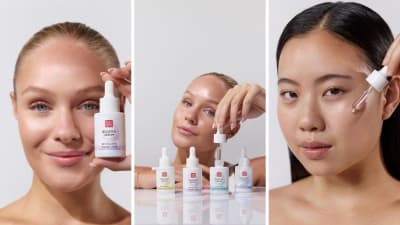
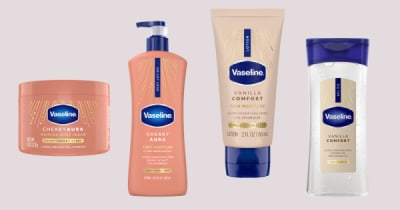
If your goal is firmer, bouncier, and visibly smoother skin without going under the needle, evidence-based cosmeceuticals offer scientifically proven results. Here are seven dermatologist-recommended topical products and active ingredients that genuinely deliver on the promises of the banana peel trend.
1. Acetyl Hexapeptide-8 (The Real 'Topical Botox')
Often marketed under the trade name Argireline, this peptide mimics the N-terminal end of the SNAP-25 protein. In clinically controlled trials, topically applied Acetyl Hexapeptide-8 has been shown to reduce muscle contraction depth around dynamic expression zones, such as crow's feet and forehead furrows. While it cannot match the dramatic effect of clinical injections, consistent application noticeably softens dynamic expression lines without invasive downtime.
2. Prescription Tretinoin or Stabilized Encapsulated Retinol
When it comes to true anti-aging heavyweights, retinoids remain the gold standard. Unlike food-grade vitamin A found in raw fruits, stabilized retinoids bind directly to retinoic acid receptors in the skin. This triggers accelerated cellular renewal, boosts endogenous collagen synthesis, and thickens the deeper layers of the dermis over three to six months of regular use.
3. Multi-Molecular Weight Hyaluronic Acid Serums
If you love the immediate 'plumping' effect that DIY hacks claim to offer, look no further than high-grade hyaluronic acid. Formulations combining high, medium, and low molecular weights work synergistically: the smaller molecules hydrate deeper epidermal layers, while larger molecules draw atmospheric moisture to the surface, immediately filling in superficial dehydration lines and imparting an instant, healthy glow.
4. Stabilized L-Ascorbic Acid (Vitamin C) with Ferulic Acid
While bananas do contain vitamin C, it oxidizes almost immediately once exposed to oxygen and light. To reap the antioxidant benefits of vitamin C—such as free-radical scavenging, hyperpigmentation fading, and collagen protection—you need a pharmaceutical-grade, stabilized serum. Formulations pairing 15% pure L-Ascorbic Acid with Vitamin E and Ferulic Acid provide optimal skin absorption and photoprotection.
5. Copper Tripeptide-1 (GHK-Cu) Serums
Copper peptides are naturally occurring complexes that promote wound healing and tissue regeneration. As we age, our natural peptide reserves deplete. Applying a copper peptide serum stimulates fibroblast activity, enhances skin elasticity, and visibly tightens skin laxity far more effectively than any mechanical fruit massage ever could.
6. Polyhydroxy Acid (PHA) and Alpha Hydroxy Acid (AHA) Exfoliants
The natural enzymes and mild acids in fruit peels can offer very mild surface sloughing, but their concentration is unpredictable. Chemical exfoliants like lactic, glycolic, or gluconolactone acids are formulated at precise, pH-balanced concentrations. They gently dissolve the bonds holding dead, dull skin cells together, revealing brighter, fresher skin without mechanical scratching or microbial risk.
7. Broad-Spectrum Daily Mineral or Chemical Sunscreen (SPF 50+)
No anti-aging regimen is complete without daily ultraviolet protection. Over 80% of visible premature facial aging—including deep creasing, skin thinning, and loss of rebound elasticity—is caused by chronic UV exposure. A broad-spectrum sunscreen applied every morning protects newly synthesized collagen and stops wrinkles before they ever begin to form.
Better on Your Plate Than on Your Pores
Rather than rubbing fruit remnants on your face, the most scientifically validated way to harness a banana's youth-preserving power is to simply eat it. When digested, the bioavailable potassium helps maintain cellular hydration and systemic fluid balance, vitamin B6 supports protein metabolism, and dietary fiber promotes a healthy gut microbiome—which researchers increasingly link to clear, glowing skin through the gut-skin axis.
Key Takeaways for Your Skincare Routine
- Viral hacks are fun, but limited: The 'Banana Botox' method only provides a temporary tight feeling caused by drying starch, not structural wrinkle reduction.
- Molecular size matters: Unformulated vitamins in raw fruit cannot effectively penetrate the skin barrier to influence deeper structural layers.
- Invest in active peptides and retinoids: Ingredients like Argireline, retinol, and copper peptides have substantial clinical backing for wrinkle reduction.
- Prioritize prevention: Consistent daily sun protection remains the single most effective anti-wrinkle step available.
Source Attribution: Article content originally reported by Swati Chaturvedi; Consumer Trends Desk. Read original story coverage on Swati Chaturvedi; Consumer Trends Desk →

Elena Rostova
WelloraDaily Editorial Team