Why Anne Hathaway and Dakota Johnson Are Calling Out the Viral Plastic Wrap Makeup Hack (and Dermatologists Agree)
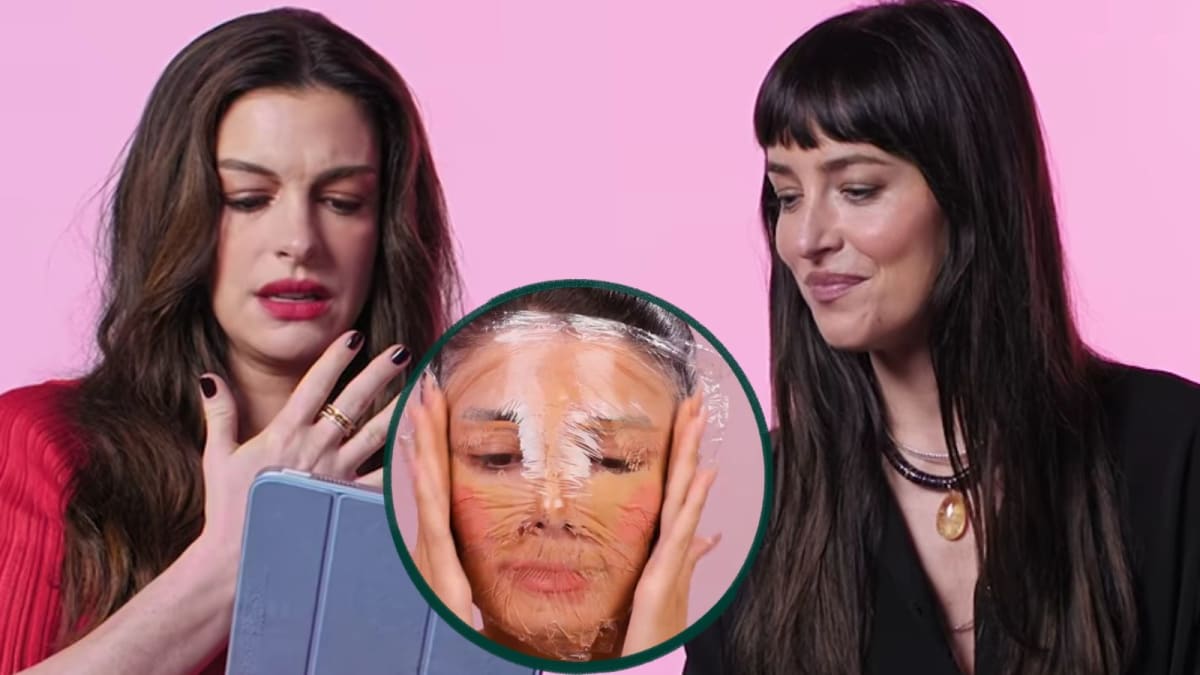
Have you ever scrolled through social media, paused at a bizarre beauty trend, and genuinely wondered if the internet has collectively lost its mind? If so, you are in stellar company. During a recent promotional tour for their collaborative project Verity, Hollywood stars Anne Hathaway and Dakota Johnson were confronted with one of the beauty sphere's latest viral sensations: wrapping one's face in household plastic cling film to set cosmetics and intensify product absorption. Their unfiltered, bewildered reaction culminated in a relatable sentiment that echoed across feeds everywhere: 'What’s wrong with people!'
While watching celebrities react with genuine shock to internet oddities makes for delightful entertainment, this particular beauty craze touches on a much deeper, more serious issue within modern skincare culture. When viral aesthetics supersede basic skin physiology, skin barrier damage is rarely far behind. We dove into the science behind this controversial hack, consulting dermatological evidence to unpack why suffocating your complexion with kitchen wrap is a fast track to irritated, inflamed skin.
The Anatomy of the Trend: Why Are People Wrapping Their Faces?
In the relentless pursuit of poreless, glass-like skin, beauty creators on platforms like TikTok and Instagram frequently experiment with unconventional household items. The plastic wrap makeup hack typically involves applying heavy layers of moisturizer, primer, or liquid foundation, and then tightly adhering food-grade cling film directly across the cheeks, forehead, and chin for anywhere from ten to thirty minutes.
Proponents of the method claim that the wrap generates warmth, 'melting' the makeup seamlessly into the skin while preventing moisture evaporation. Others view it as an extreme evolution of 'slugging'—the popular Korean beauty practice of coating the face in petrolatum-based ointment to prevent transepidermal water loss. However, where slugging relies on breathable, skin-compatible topical balms, plastic film is completely non-porous. Treating the delicate facial barrier like yesterday's leftovers comes with substantial biological consequences.
What Dermatologists Warn: The Dangers of Complete Occlusion
From a clinical standpoint, medical professionals are sounding the alarm. Dermatologists emphasize that completely sealing the skin under an airtight sheet of plastic creates an artificial microclimate characterized by trapped heat, accumulated sweat, and concentrated cosmetic formulations. Here is what truly happens beneath the surface:
1. Clogged Pores and Accelerated Breakouts
Your skin is a living, dynamic organ equipped with sebaceous glands that continuously produce oil to maintain the lipid barrier. Under normal conditions, this sebum reaches the surface and disperses. When you seal your face with plastic wrap, natural oil secretions have nowhere to go. Coupled with heavy pigments and cosmetic silicones, this trapped sebum creates a perfect plug within the hair follicle, dramatically increasing the incidence of closed comedones, blackheads, and inflammatory acne papules.
2. The 'Incubator Effect' for Bacteria and Fungi
Human skin is host to a diverse and delicate microbiome, including naturally occurring yeasts and bacteria such as Cutibacterium acnes and Malassezia. These microorganisms thrive in warm, dark, humid environments. By trapping body heat and sweat against the skin beneath an impermeable barrier, you effectively turn your face into an incubator. This can quickly trigger folliculitis—an inflammation of the hair follicles that closely mimics traditional acne but often requires targeted antifungal or antibacterial medical treatment to resolve.
3. Severe Irritation and Chemical Sensitization
In dermatological medicine, occlusion is sometimes used intentionally under strict supervision to enhance the penetration of therapeutic ointments like topical corticosteroids. However, applying an occlusive sheet over commercial cosmetics, fragrances, chemical sunscreens, or potent active ingredients like retinoids and exfoliating acids can multiply their penetration unpredictably. Ingredients that are normally tolerated at standard absorption levels can become intensely irritating when forced deep into the stratum corneum, resulting in chemical burns, redness, peeling, and acute contact dermatitis.
Dakota Johnson and Anne Hathaway: A Refreshing Breath of Common Sense
The candid disbelief expressed by Hathaway and Johnson highlights an essential cultural counterweight to the often-frenzied landscape of online beauty advice. Both actresses are celebrated not only for their timeless style and luminous skin, but also for a grounded approach to wellness that prioritizes health and longevity over erratic fads.
When public figures point out the absurdity of wrapping oneself in plastic film, it prompts everyday consumers to step back and evaluate the line between creative beauty experimentation and counterproductive harm. True skin health is a long-term physiological investment; it cannot be cheated with cling wrap borrowed from the pantry.
Smarter, Safer Ways to Achieve Dewy, Seamless Makeup
If your ultimate goal is a radiant, seamless base that looks like second skin, you do not need to risk a severe acne flare-up to achieve it. Professional makeup artists and aesthetic practitioners recommend several gentle, proven techniques instead:
- Hydration Layering: Apply lightweight, water-attracting humectants like hyaluronic acid or glycerin to damp skin, followed immediately by a barrier-supporting ceramide moisturizer to create a smooth, supple canvas.
- Damp Beauty Sponges: Instead of relying on trapped heat to blend foundation, use a damp, latex-free beauty sponge. The water content prevents excess product absorption while bouncing the pigments softly across the skin without micro-friction.
- High-Quality Thermal Setting Sprays: Modern setting sprays are scientifically formulated with film-forming polymers that melt powders and creams together seamlessly while still allowing natural vapor exchange.
- Targeted Facial Massage: Gently massaging your face with clean fingertips or a cool gua sha tool before makeup application boosts local circulation, relieves facial tension, and naturally prepares the skin to receive hydration.
Key Takeaways for Your Skincare Routine
- Kitchen items belong in the kitchen: Food-grade plastic wrap is engineered to keep food items sealed from air, not to sit safely atop human facial tissue.
- Occlusion requires caution: While barrier ointments can be beneficial on dry patches, completely non-porous wrapping disrupts the microbiome and traps perspiration.
- Listen to the experts over algorithms: Viral views are often driven by visual shock value rather than clinical efficacy. Always evaluate whether a trend supports or compromises your skin barrier before attempting it at home.
Ultimately, the lighthearted pushback from Hathaway and Johnson serves as an empowering reminder: radiant skin comes from consistent, scientifically sound care, proper hydration, and sun protection—never from suffocating your pores beneath cling film.
Source Attribution: Article content originally reported by Lifestyle Desk. Read original story coverage on Lifestyle Desk →

Elena Rostova
WelloraDaily Editorial Team