The Hidden Dangers of Counterfeit Beauty: What a Major Trading Standards Raid Revealed
The Allure of the Bargain vs. The Hidden Cost
We have all been there scrolling through an online marketplace or browsing a bustling market stall, only to stumble upon a luxury designer perfume or viral skincare product at a fraction of its retail price. It feels like hitting the jackpot. After all, why pay full price when you can get the exact same aesthetic for a fraction of the cost? However, a recent eye-opening enforcement operation by Trading Standards has pulled back the curtain on the multi-million-pound counterfeit beauty industry, revealing a chilling reality that goes far beyond simple copyright infringement.
When authorities seized massive quantities of counterfeit perfumes, luxury cosmetics, and high-end skincare products, they decided to send the items off for laboratory testing. The results were nothing short of alarming. Hidden beneath the convincing packaging and surprisingly accurate imitation logos were not just diluted formulas, but a cocktail of potentially deadly chemicals. This discovery forces us to re-evaluate how we shop for beauty products and raises urgent questions about consumer safety in a digital age where third-party marketplace listings are increasingly difficult to vet.
What Lurks Inside Fake Perfumes and Skincare?
Counterfeiters are remarkably skilled at mimicking the outward appearance of our favorite brands, but they operate with zero regulatory oversight, safety standards, or quality control. When laboratories analyzed the seized cosmetics and fragrances, the chemical profiles read less like a beauty routine and more like a hazardous waste site. Among the most dangerous substances frequently detected in fake beauty products are heavy metals such as lead, arsenic, mercury, and cadmium.
These toxic elements are absorbed directly through the skin, our body's largest organ. Over time, heavy metal poisoning can lead to severe health complications, including neurological damage, organ failure, and chronic skin conditions like severe contact dermatitis and chemical burns. Furthermore, tests on counterfeit perfumes often reveal industrial solvents like antifreeze and high levels of bacteria and animal urine—ingredients used to cheaply replicate complex scent profiles and colorings. Using these products is not just a gamble on how well your makeup will stay put; it is a direct risk to your immediate and long-term health.
Why Counterfeit Beauty Is a Booming Global Threat
The proliferation of fake cosmetics is not a new issue, but the rise of social media-driven beauty trends and unregulated e-commerce platforms has supercharged the market. Influencers promote high-end products daily, creating intense consumer demand and driving up prices. For budget-conscious shoppers—particularly younger demographics eager to participate in viral beauty trends—counterfeiters offer an easy, albeit dangerous, shortcut.
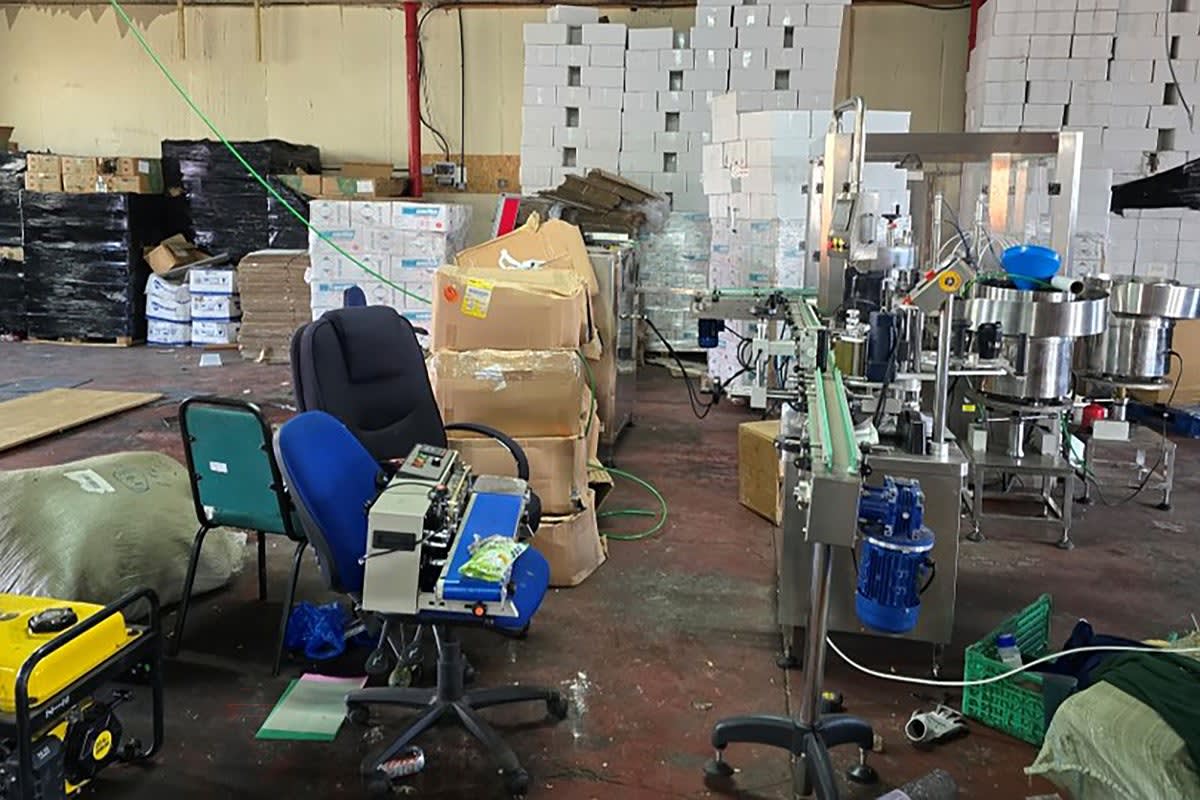
Organized crime networks run these illegal manufacturing operations in unsanitary conditions, often in makeshift laboratories with zero regard for hygiene. There are no sterile environments, no patch testing, and no dermatological evaluations. The criminals behind these operations simply want to replicate the look and smell of a luxury item as cheaply as possible to maximize profit margins. Because these operations bypass every legal framework designed to protect consumers, the buyer truly bears all the risk.
Practical Steps to Protect Yourself When Shopping
Navigating the modern beauty market requires a healthy dose of skepticism, especially when purchasing online. To ensure that the products you apply to your skin and hair are authentic, safe, and legally regulated, keep the following protective strategies in mind:
- Buy directly from authorized retailers: Always purchase your skincare, makeup, and fragrances directly from the brand's official website, authorized department stores, or verified brick-and-mortar pharmacies.
- If the price is too good to be true, it probably is: Luxury beauty brands rarely offer massive, site-wide discounts of 70% to 80% off through unknown third-party sellers. Be deeply suspicious of steep markdowns.
- Inspect the packaging closely: Counterfeits often feature subtle flaws, such as spelling errors on the label, slightly off-color packaging, flimsy plastic wrapping, or missing batch codes and expiration dates.
- Trust your senses: If a newly purchased perfume smells overly harsh, chemically, or fades instantly, or if a foundation separates strangely or irritates your skin immediately, stop using it right away.
Key Takeaways for Conscious Beauty Consumers
The recent Trading Standards raids serve as a crucial wake-up call for beauty enthusiasts everywhere. While scoring a discount on a luxury item feels satisfying in the moment, the hidden health costs associated with counterfeit cosmetics are simply not worth the risk. By prioritizing safety, purchasing through trusted channels, and staying informed about the realities of the illegal beauty trade, you can protect your skin, safeguard your long-term health, and ensure your self-care routine remains genuinely nurturing.
Source Attribution: Article content originally reported by independent.co.uk. Read original story coverage on independent.co.uk →

Elena Rostova
WelloraDaily Editorial Team