Microdosing Accutane: Inside the High-Powered Skincare Trend Sweeping Tech and Dermatologists' Offices
For decades, the name Accutane carried an almost mythic weight in the dermatology world. Prescribed under its generic name, isotretinoin, it was universally treated as the nuclear option—a high-stakes, heavily monitored six-month gauntlet reserved exclusively for patients fighting relentless, scarring cystic acne. Those who took it often traded painful breakouts for intensely cracked lips, nosebleeds, joint aches, and strict monthly blood tests.
Today, that narrative is shifting dramatically. Across boardrooms in Silicon Valley, fashion houses in New York, and executive suites across the country, high-performing professionals are turning to isotretinoin not to cure debilitating cysts, but to achieve effortless, poreless “glass skin.” Even more intriguing is how they are taking it: in micro-doses.
The Reimagining of a Decades-Old Miracle Drug
The concept of microdosing isotretinoin relies on an elegant dermatological principle: delivering just enough of the active compound to shrink sebaceous glands and regulate cellular turnover without triggering the severe systemic side effects associated with traditional dosing. Where traditional acne therapy blasts the system with 40 to 80 milligrams per day to hit a cumulative lifetime threshold, low-dose regimens often utilize as little as 10 to 20 milligrams just two or three times a week, or tiny daily micro-doses.
The result? Rather than suffering through the notoriously painful “Accutane purge” and desert-dry skin, patients report a steady reduction in surface sebum, virtually zero mid-day shine, minimized pores, and an unmistakable, lit-from-within glow that luxury topical serums rarely replicate.
Honeydew and the Telehealth Transformation
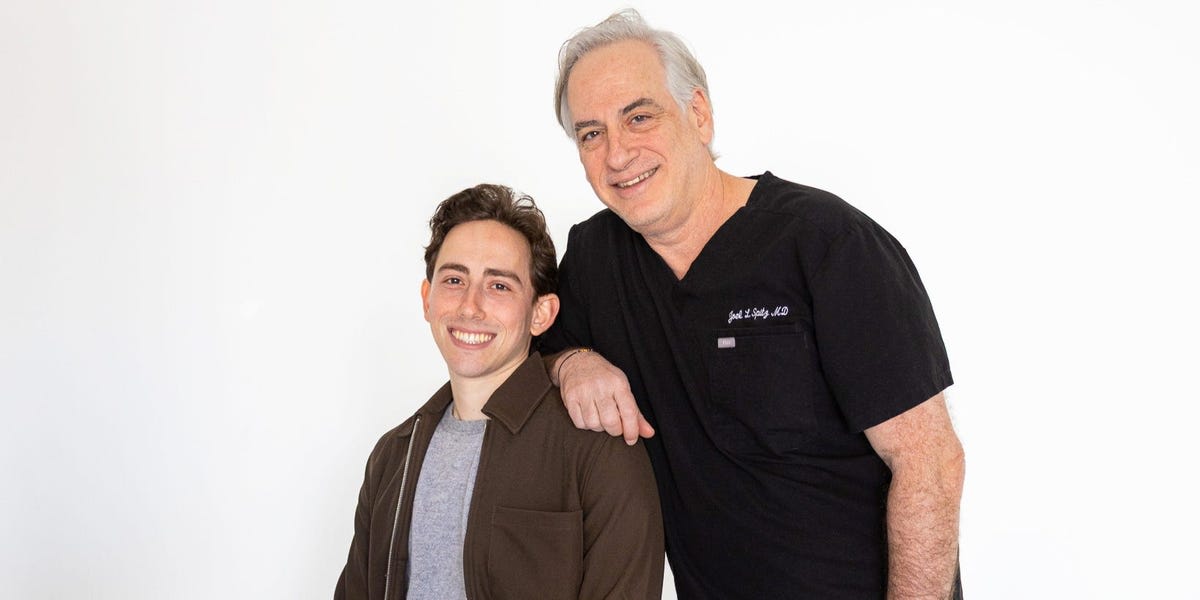
This off-label evolution has not only caught the eye of beauty enthusiasts; it has sparked a burgeoning startup ecosystem. Leading the vanguard is Honeydew, a specialized dermatology platform co-founded by entrepreneur David Futoran and his longtime medical provider, Dr. Joel Spitz.
Futoran, who navigated his own grueling journey with persistent acne during his formative years, recognized that the traditional model of seeing a dermatologist—waiting months for an appointment, taking time off work, and navigating arcane pharmacy protocols—was severely broken. Partnering with Dr. Spitz, a seasoned clinical dermatologist, Futoran built a streamlined digital healthcare infrastructure designed to modernize access to tailored acne treatments, including meticulously managed isotretinoin therapies.
Platforms like Honeydew reflect a broader cultural transition in healthcare: patients no longer want reactive treatments for active crises; they demand proactive, optimized maintenance overseen by qualified clinicians through seamless digital interfaces.
The Biological Mechanics: Why Low-Dose Isotretinoin Works
To understand why professionals are flocking to this protocol, it helps to understand the underlying biology of isotretinoin. As a systemic retinoid derived from vitamin A, it remains the only medical compound known to tackle all four primary root causes of acne simultaneously:
- Sebaceous Gland Atrophy: It directly downregulates the size and activity of oil glands, dramatically cutting the production of excess sebum that feeds bacteria.
- Normalized Follicular Hyperkeratinization: It keeps dead skin cells from clumping together and clogging pores before a comedone can even form.
- Bacterial Suppression: By starving Cutibacterium acnes of its primary food source—skin oil—it naturally curbs bacterial proliferation without relying on chronic oral antibiotics.
- Broad Anti-Inflammatory Action: It tempers the immune system's reactive inflammation, reducing persistent facial redness and evening overall skin tone.
When administered at micro-levels, patients gain the benefits of cellular regulation and oil control while preserving enough barrier function to maintain hydration, circumventing the debilitating dryness that made legacy protocols famous.
The Uncompromised Realities: Safety, iPLEDGE, and Risks
Despite the growing enthusiasm for low-dose protocols, medical professionals emphasize that isotretinoin is still far from an over-the-counter beauty vitamin. The drug remains one of the most potent compounds in dermatology, and the risks demand serious respect.
Foremost among these is teratogenicity. Isotretinoin causes severe, catastrophic birth defects if taken during pregnancy. Even at micro-doses, this risk does not diminish. In the United States, patients must still enroll in the mandatory FDA-regulated iPLEDGE program, complete regular pregnancy tests if capable of childbearing, and observe strict safety windows before and during treatment.
Furthermore, because the liver processes systemic retinoids, regular baseline monitoring of hepatic function and blood lipid profiles remains vital. Long-term microdosing also raises questions regarding longevity: while standard dosing aims for permanent remission through a specific cumulative target, discontinuing low-dose maintenance can sometimes cause sebum production to rebound over time.
Practical Guidance: Navigating Your Options
If you find yourself intrigued by the prospect of microdosing isotretinoin, approaching the process with clinical diligence is essential. Here are several key factors to keep in mind:
- Seek an Experienced Specialist: Not all dermatologists favor off-label low-dose isotretinoin for cosmetic optimization or mild persistent acne. Work with a board-certified professional or specialized platform experienced in individualized low-dose titration.
- Prioritize Barrier Health First: Microdosing may be gentler, but it still thins the stratum corneum slightly. Active acids, chemical peels, and aggressive physical scrubs must be pared down in favor of ceramides, gentle cleansers, and broad-spectrum sunscreen.
- Patience Over Quick Fixes: While high-dose treatments rush toward clearance within months, low-dose therapy is a gradual process designed for sustainable refinement over an extended period.
Key Takeaways
- The Trend: Professionals are turning to micro-doses of isotretinoin for continuous oil control, reduced pore size, and glass-like clarity without the harsh side effects of standard high-dose courses.
- The Founders: Startups like Honeydew, founded by David Futoran alongside Dr. Joel Spitz, are reimagining how patients access and navigate specialized acne treatments online.
- The Mechanism: Low doses steadily shrink overactive oil glands and normalize cell shedding while keeping the skin barrier largely intact.
- The Non-Negotiables: Even minimal doses require strict medical oversight, diligent sun protection, liver monitoring, and absolute adherence to teratogenicity safeguards like the iPLEDGE registry.
Source Attribution: Article content originally reported by Business Insider. Read original story coverage on Business Insider →

Elena Rostova
WelloraDaily Editorial Team