Are You Oiling Your Hair All Wrong? 5 Common Mistakes That May Be Damaging Your Strands
For centuries, hair oiling has been revered across traditional wellness practices as the golden standard for luxurious, lustrous locks. From ancient Ayurvedic champi rituals to modern minimalist beauty routines, applying botanical oils to the scalp and tresses promises nourishment, gloss, and structural resilience. Yet, despite diligent weekly treatments, many people find themselves battling limp strands, stubborn breakouts along the hairline, or unexpected shedding.
If your hair feels weighed down rather than revitalized, your technique might be working against you. Hair oiling is an art rooted in trichology—the scientific study of hair and scalp health. When applied incorrectly, even the most expensive, nutrient-dense oils can suffocate follicles and disrupt the delicate scalp microbiome. Let us explore the five most common hair oiling mistakes and how you can calibrate your routine for maximum vitality and shine.
1. Drenching Your Hair in Excess Oil
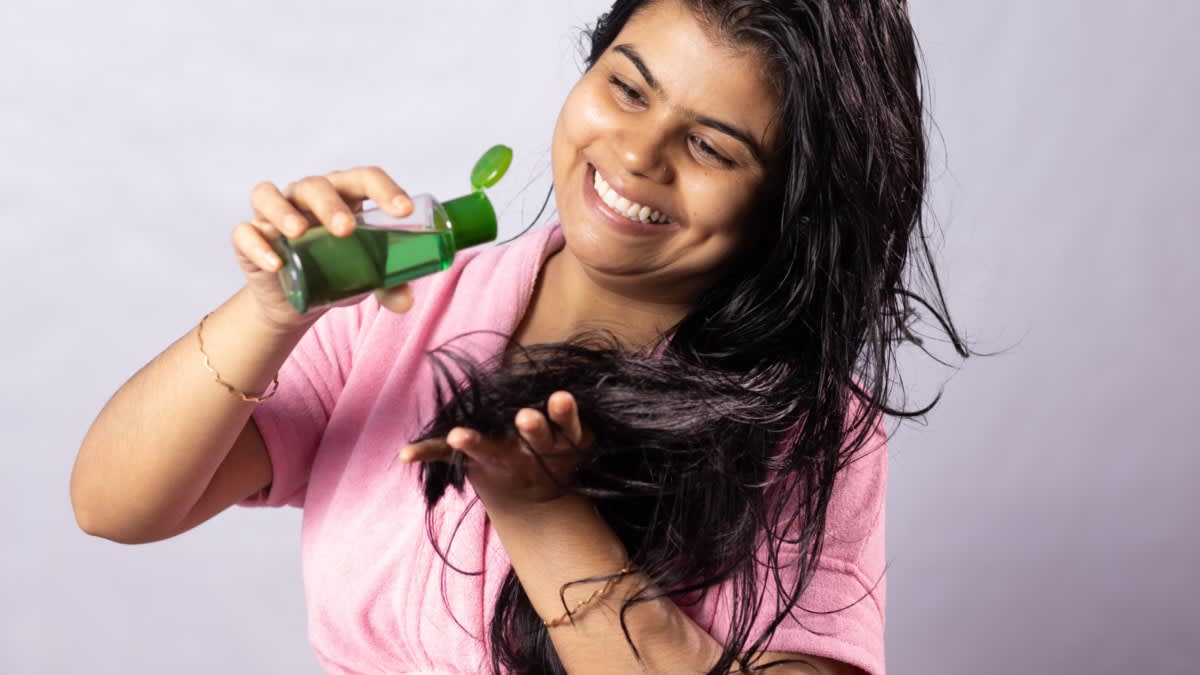
One of the most persistent beauty myths is that more product equals better results. Drenching your hair in oil does not offer additional benefits. In fact, oversaturating your scalp and strands often backfires, leaving your hair feeling greasy, sticky, and noticeably heavy.
Your hair shaft has a finite absorption capacity. Hair cuticles can only take in a specific amount of lipids; anything beyond that forms a suffocating layer over the cuticle surface and scalp pores. Furthermore, washing out an excessive pool of oil requires multiple rounds of harsh, clarifying shampoos. This counteracts the treatment entirely by stripping away natural moisture, leaving your strands drier and more vulnerable to friction damage than before you started.
2. Leaving Oil on Overnight (Especially for Sensitive Scalps)
Sleeping with an oil-soaked scalp is a beloved tradition for many, but modern dermatological science reveals that this practice is not suitable for every scalp profile. If you are prone to dandruff, seborrheic dermatitis, or an oily scalp, leaving oil on for eight hours or more can worsen flare-ups.
The scalp naturally hosts a microflora community that includes Malassezia, a lipid-dependent yeast fungus. When you leave nutrient-rich plant oils sitting on your scalp overnight, you are essentially providing an endless buffet for this yeast. The yeast metabolizes these fatty acids, producing oleic acid byproducts that trigger inflammation, redness, scaling, and accelerated shedding. For most hair and scalp types, leaving an oil treatment on for 30 to 60 minutes delivers all the nourishing fatty acids your cuticle requires without creating a breeding ground for irritation.
3. Applying Oil Over a Dirty, Sweaty Scalp
Applying oil over a scalp coated in dry shampoo, daily sweat, pollution particles, and dead skin cells is a recipe for clogged follicles. Instead of deeply conditioning the dermal tissue, the oil forms an occlusive seal that traps grime and bacteria right at the root canal.
This trapped debris can lead to folliculitis—an inflammation of the hair follicles that presents as tender, acne-like bumps across the scalp. To optimize penetration and maintain follicle hygiene, always apply hair oil to a relatively clean, detangled scalp. If you have spent the day sweating at the gym or rely heavily on styling polymers, cleanse your hair first or reserve your oiling ritual for days when your scalp surface is fresh.
4. Vigorous Rubbing and Aggressive Massaging
A rejuvenating scalp massage is meant to stimulate microcirculation around the dermal papilla, bringing oxygen and essential micronutrients to the hair bulbs. However, many people confuse invigorating stimulation with rough, circular friction.
When oil is applied, hair strands become slick and pliable, making the roots susceptible to traction stress. Rubbing aggressively with your palms or scratching with your fingernails can weaken the root anchor, snap fragile lengths, and tangle the hair into stubborn knots. Instead, use the soft pads of your fingertips or an ergonomic silicone scalp brush. Apply gentle, stationary circular pressure, moving the scalp skin over the cranium rather than rubbing your fingers against the hair shafts.
5. Choosing the Wrong Oil for Your Hair Porosity
Not all hair oils behave the same way under a microscope. Broadly speaking, oils fall into two functional categories: penetrating oils and sealing oils. Choosing the wrong category for your hair porosity and strand diameter can leave your hair either parched or coated in an unmanageable film.
- Penetrating Oils: Oils rich in short-to-medium chain fatty acids, such as pure coconut oil, babassu oil, and olive oil, can penetrate past the cuticle and into the cortex to minimize protein loss. These work best for dry, damaged, or chemically processed hair.
- Sealing Oils: Oils with larger molecular structures, such as jojoba oil, argan oil, sweet almond oil, and grapeseed oil, form a protective barrier over the cuticle. They lock in preexisting hydration and shield the hair from environmental oxidative stress. These are ideal for fine, low-porosity hair that is easily weighed down.
If you have fine, low-porosity hair, using thick, dense oils like raw castor oil will only cause buildup and flat roots. Matching the lipid profile of your oil to your hair's unique density and porosity is essential for noticeable shine and movement.
The Ideal Step-by-Step Hair Oiling Routine
Ready to revamp your approach? Follow this balanced, trichologist-approved ritual for healthier, silkier results:
- Step 1: Prep and Detangle: Gently brush your hair with a wide-tooth comb or flexible bristle brush to distribute natural sebum and eliminate tangles before applying product.
- Step 2: Warm the Oil: Pour one to two teaspoons of your chosen oil into a heat-safe bowl and warm it slightly in a warm water bath. Warm oil has reduced viscosity, allowing for smoother distribution.
- Step 3: Section and Apply Moderately: Divide your hair into four sections. Apply a few drops directly to your scalp and massage with your fingertips using slow, gentle pressure. Lightly smooth the residual oil down the mid-lengths and ends.
- Step 4: Rest and Emulsify: Allow the oil to absorb for 30 to 45 minutes. When washing, apply a small amount of shampoo directly to your dry or slightly damp oiled hair first to emulsify the lipids, then rinse with lukewarm water before your secondary wash.
Key Takeaways for Long-Term Hair Health
Hair oiling remains one of the most effective holistic self-care practices when grounded in moderation and scalp care science. Remember these essential guidelines:
- Never drench your hair; one to two teaspoons is generally sufficient for the entire head.
- Limit contact time to under an hour if you struggle with an oily or flake-prone scalp.
- Focus on gentle, deliberate scalp stimulation rather than high-friction rubbing.
- Select lightweight sealing oils for fine, low-porosity hair, and richer penetrating oils for coarse, high-porosity strands.
By treating oiling as a targeted, gentle therapeutic ritual rather than a heavy saturation routine, you cultivate an optimal scalp environment where strong, resilient, and radiant hair can naturally thrive.
Source Attribution: Article content originally reported by Surbhi Pathak; Lifestyle Desk. Read original story coverage on Surbhi Pathak; Lifestyle Desk →

Elena Rostova
WelloraDaily Editorial Team