The One Skincare Hero That Finally Kept My Rosacea at Bay (and Why Dermatologists Agree)
If you have ever looked in the mirror after a brisk walk, a warm shower, or a single sip of coffee only to find your cheeks blazing crimson, you know the quiet frustration that accompanies rosacea. For years, I treated my reactive, sensitive skin like an unsolvable puzzle. One day a gentle moisturizer felt soothing; the next, the exact same cream caused a stinging, burning flare that took days to subside.
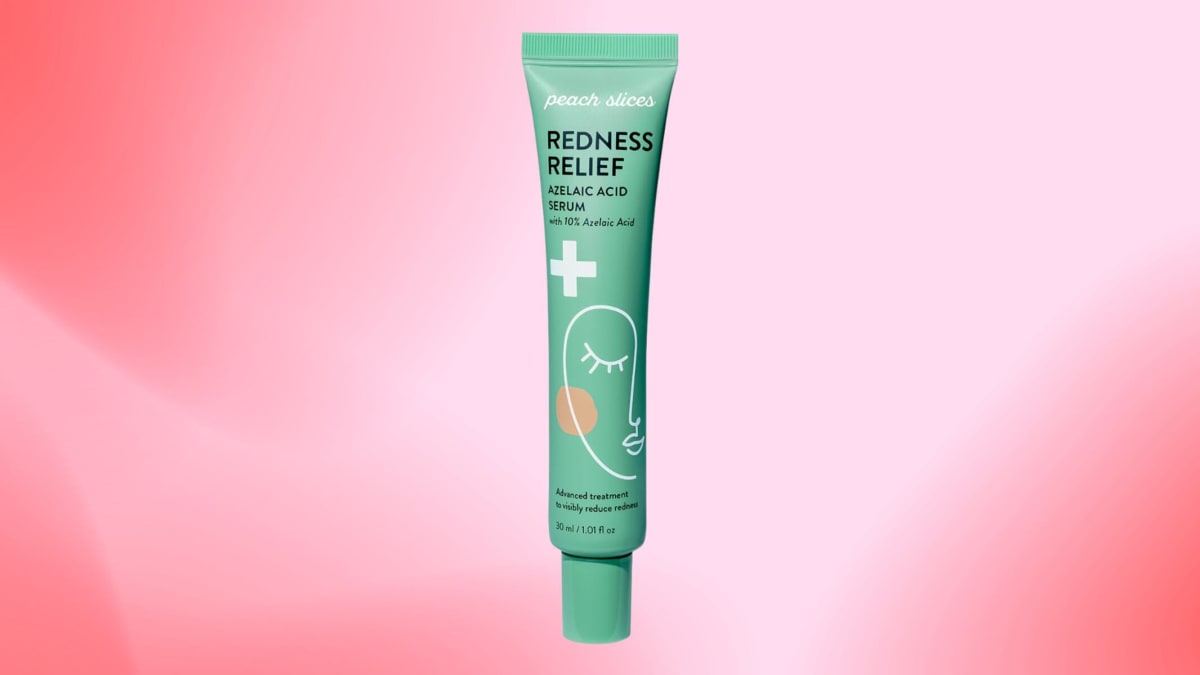
Living with rosacea often feels like walking through an invisible minefield of triggers. Fragrance, cold winds, UV rays, stress, and even standard anti-aging ingredients can ignite persistent erythema, tiny broken capillaries, and uncomfortable inflammatory bumps. But after years of trial, error, and dermatologist consultations, I discovered the single, transformative ingredient that changed everything: azelaic acid.
Understanding the Beast: What Actually Happens During a Rosacea Flare?
To understand why most skincare routines fail those of us with rosacea, we have to look beneath the surface of the skin barrier. Rosacea is not merely surface sensitivity or a cosmetic inconvenience; it is a chronic inflammatory and vascular disorder. When exposed to internal or external triggers, the immune pathways in rosacea-prone skin overreact.
The skin's neurovascular system dilates blood vessels abnormally quickly, leading to noticeable flushing. At the same time, microscopic inflammation breaks down the lipid barrier, allowing essential hydration to escape and irritating environmental agents to penetrate deeply. The result is a cycle of dehydration, burning sensations, and papulopustular flare-ups that topical remedies often inadvertently worsen.
Why Traditional Acne and Anti-Redness Products Fall Short
Many people mistake rosacea bumps for standard adult acne and reach for benzoyl peroxide, aggressive salicylic acid peels, or high-percentage retinoids. Unfortunately, these potent exfoliants strip an already fragile barrier, triggering an even more severe vascular rebound. Conversely, ultra-heavy redness-relief balms can sometimes trap heat against the face, suffocating skin that desperately needs to cool down.
The Standout Game-Changer: Why Azelaic Acid Works When Nothing Else Does
Among all the serums, mists, and soothing creams cluttering medicine cabinets, dermatologists consistently point to azelaic acid as a gold standard, multi-tasking hero for rosacea. Naturally derived from grains like barley and wheat (and synthesized in labs for skin stability), azelaic acid addresses rosacea along multiple biochemical pathways.
- Tames Vascular and Cellular Inflammation: Azelaic acid inhibits the synthesis of pro-inflammatory cytokines, calming the cellular distress signals that cause persistent facial flushing.
- Gentle Keratolytic Action: Unlike harsh manual scrubs or drying chemical peels, it normalizes how dead skin cells shed within pores, preventing the tiny pustules often associated with subtype 2 rosacea without peeling the skin raw.
- Neutralizes Damaging Free Radicals: It operates as a potent antioxidant, neutralizing the oxidative stress triggered by sun exposure and urban pollution before it can provoke inflammation.
- Fades Post-Inflammatory Erythema: By selectively curbing hyperactive pigment cells and calming dilated micro-vessels, it visibly evens out lingering discoloration from past flare-ups.
How to Safely Incorporate It into a Reactive Routine
Even gentle, highly effective actives can surprise rosacea-prone skin if introduced too aggressively. The key to long-term success is patience, proper layering, and barrier support. Here is a step-by-step approach to incorporating this powerhouse product without awakening the redness beast.
1. Start with the Right Concentration
Over-the-counter formulations typically offer azelaic acid at strengths between 5% and 10%, which is ideal for testing skin tolerance and maintaining a calm baseline. If your rosacea is moderate to severe, dermatologists frequently prescribe 15% gel or 20% cream formulations, which provide clinically proven efficacy for persistent redness and papules.
2. The 'Buffering' Technique
Never apply concentrated actives onto raw, damp, or freshly cleansed skin. After washing with an ultra-gentle, non-foaming cream cleanser, lightly pat your face dry and apply a lightweight, ceramide-rich moisturizer. Once that base absorbs, smooth on a pea-sized amount of azelaic acid. Buffering slows the absorption rate slightly, virtually eliminating any initial tingling sensations without reducing clinical efficacy.
3. Frequency Over Intensity
Begin by using the product just two evenings a week. Observe how your skin reacts over a 72-hour window. If your barrier remains calm and hydrated, gradually step up application to every other evening, eventually working up to once daily as tolerated.
The Non-Negotiable Companions: Supporting Your Hero Product
No single product works in isolation. To give your active treatments the best chance at succeeding, you need a streamlined, minimalist support network that guards your barrier day and night.
- Mineral Sunscreen (Every Single Morning): UV radiation is the number one trigger for rosacea flare-ups. Chemical sun filters can sometimes generate heat as they absorb UV light, triggering flushing. Pure zinc oxide mineral sunscreens, by contrast, naturally soothe redness while physically reflecting UV rays.
- Lipid-Replenishing Barrier Creams: Look for formulations featuring ceramides, cholesterol, squalane, and fatty acids. These biomimetic ingredients mirror your skin's natural architecture, locking moisture in and keeping irritants out.
- Gentle Hydration Boosters: Incorporate ingredients like centella asiatica (cica), panthenol (vitamin B5), and colloidal oat, which have well-documented soothing properties that bring instantaneous comfort to overheated skin.
Key Takeaways for Long-Term Calm
Managing rosacea is less about pursuing aggressive, rapid fixes and more about fostering a resilient, calm, and balanced skin ecosystem. When you simplify your regimen and center it around clinically proven, barrier-respecting solutions like azelaic acid, you take control back from the unpredictable redness.
Remember that healing chronic redness is a marathon, not a sprint. Give any new routine at least four to six weeks to demonstrate its true power, avoid known lifestyle triggers like extreme heat and heavy friction, and celebrate the small victories of waking up to calm, comfortable skin.
Source Attribution: Article content originally reported by nj. Read original story coverage on nj →

Elena Rostova
WelloraDaily Editorial Team