Fairground Safety Alert: Understanding Severe Scalp Avulsion, Emergency First Aid, and Vital Ride Precautions
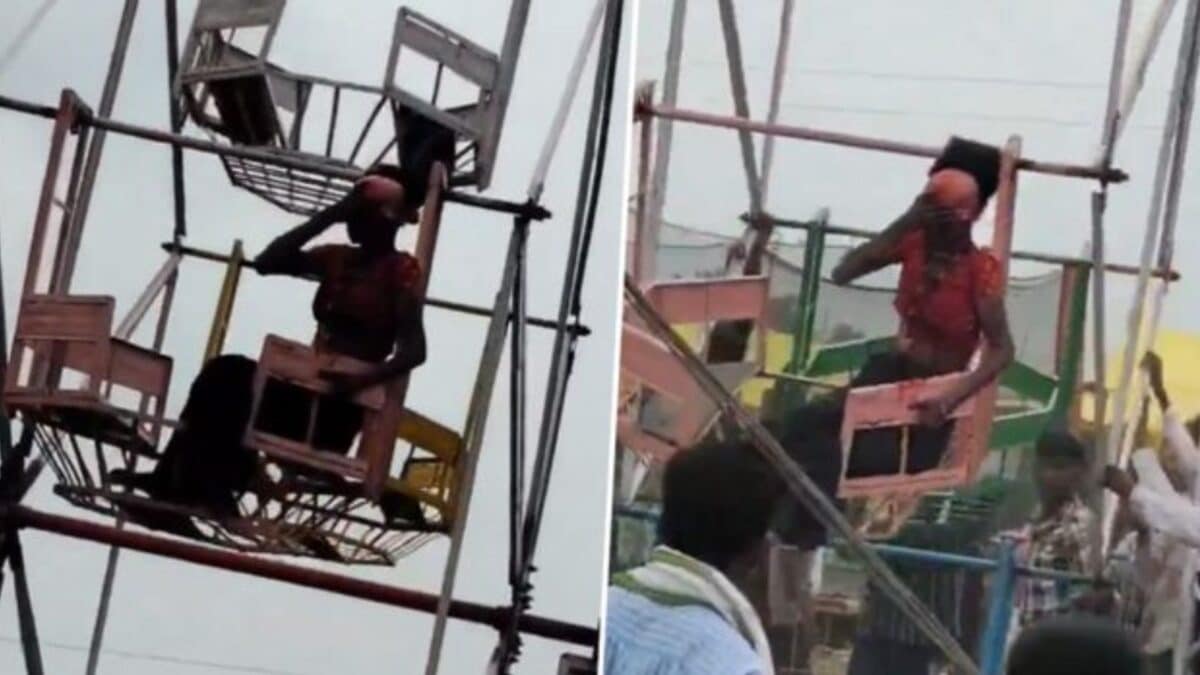
A vibrant carnival should be a place of laughter, bright lights, and carefree thrills. Yet, a harrowing incident in Yavatmal, Maharashtra, has served as a grave reminder of how quickly a festive outing can turn into a critical medical emergency. A 25-year-old woman sustained catastrophic scalp injuries when her hair became entangled in the exposed rotating mechanism of a Ferris wheel during a local fair.
The Yavatmal Incident: A Night of Celebration Turned Tragic
Local fairs, melas, and traveling carnivals bring communities together across the globe. However, the temporary nature of these amusement setups sometimes leaves critical safety gaps unaddressed. In the Yavatmal incident, the young woman was enjoying a classic Ferris wheel ride when the mechanical components caught her long hair, exerting sudden, extreme rotational force before the ride could be brought to a halt.
Witnesses rushed to assist, and emergency services were mobilized to transport the victim to a nearby hospital for emergency surgical intervention. While fair organizers face increasing scrutiny regarding machinery shielding and emergency stop protocols, the tragedy underscores a vital public health conversation: the mechanics of scalp avulsion injuries, the life-saving window of emergency care, and essential safety measures every fairgoer must practice.
Understanding Scalp Avulsion: The Medical Reality of Rotational Trauma
Trauma caused by industrial machinery or fairground equipment catching hair often results in a condition medically classified as scalp avulsion. To understand why this injury is so severe, it helps to examine the unique anatomical structure of the human scalp.
Surgeons commonly use the acronym SCALP to describe the five anatomical layers protecting the cranium:
- S – Skin: The outermost protective layer, rich in hair follicles and sebaceous glands.
- C – Connective Tissue: A dense, highly vascular subcutaneous layer packed with major blood vessels and sensory nerves.
- A – Aponeurosis (Galea Aponeurotica): A tough, fibrous sheet of tendon that anchors the forehead and occipital muscles.
- L – Loose Areolar Tissue: A plane that allows movement of the upper layers over the skull, often referred to as the "danger zone" because infections or tears separate easily here.
- P – Pericranium: The specialized periosteum firmly bound to the skull bones.
When long hair is caught in high-torque rotating machinery, the sheer tensile force almost instantly tears through the loose areolar connective layer. This causes an extensive peeling or "degloving" of the scalp away from the skull. Because the scalp is one of the most richly vascularized areas in the entire human body, these injuries pose an immediate risk of life-threatening hypovolemic shock due to rapid, profuse bleeding.
Emergency Protocol: What to Do in Entrapment and Severe Scalp Injuries
When an entrapment accident occurs, bystanders and first responders have only minutes to make decisions that can mean the difference between survival and fatal shock, as well as the viability of surgical tissue reattachment.
1. Stop the Mechanism Immediately
Never attempt to forcefully pull a victim free while machinery is still powered or coasting to a stop. Locate the emergency stop lever or main power breaker instantly. Forcing hair or tissue out of moving gears can exponentially increase the degree of tearing and intracranial trauma.
2. Control Hemorrhaging and Protect the Airway
Severe scalp wounds bleed profusely. Place clean, sterile dressings or cloth directly over the bleeding site and apply firm, steady, continuous pressure. If possible, avoid direct heavy pressure over depressed areas if a cranial fracture is suspected.
3. Handle Severed Tissue Correctly for Replantation
Microvascular surgery has advanced considerably, allowing surgeons to replant avulsed scalp tissue if it is preserved properly. Follow these steps strictly:
- Carefully collect all detached scalp fragments, keeping them free of dirt or chemicals.
- Wrap the tissue in sterile gauze lightly dampened with normal saline solution.
- Place the wrapped tissue inside a clean, watertight plastic bag and seal it securely.
- Place that sealed bag onto a container with an ice-and-water mixture. Never place the tissue directly onto raw ice or immerse it directly in water, as frostbite or cellular edema can destroy microscopic capillary structures.
4. Prevent Shock and Stabilize the Cervical Spine
Keep the victim warm with a coat or blanket, elevate their legs slightly if there is no spinal trauma, and reassure them while waiting for paramedics. Sudden rotational forces can also cause cervical spine fractures; keep the victim’s head, neck, and torso aligned and immobilized.
The Long Road to Recovery: Surgical Reconstruction and Beyond
Treating severe scalp avulsion is a complex, multistage process requiring a team of neurosurgeons, plastic and reconstructive surgeons, and mental health professionals.
The primary goal is microsurgical replantation, where surgeons spend grueling hours reconnecting tiny superficial temporal arteries and veins under high-magnification microscopes. Restoring microvascular circulation within a window of 6 to 12 hours offers the highest chance of tissue survival and future hair follicle viability.
If replantation is unfeasible due to severe crush damage, surgeons must resort to split-thickness skin grafts, microvascular free-flap transfers, or tissue expanders over months or years. Beyond physical healing, survivors often confront deep psychological trauma, post-traumatic stress disorder (PTSD), and altered self-image, making ongoing mental health counseling and community support vital facets of rehabilitation.
Vital Precautions: How to Stay Safe Around Amusement Rides
While mechanical failures and operator negligence demand rigorous regulatory enforcement, every fair attendee can adopt proactive safety habits to minimize danger:
- Secure Long Hair Completely: Tie hair into a high, secure bun tucked beneath a cap or hairnet. Avoid loose ponytails, braids, or free-flowing hair that can billow in the wind toward gears or drive belts.
- Eliminate Entanglement Hazards: Remove loose scarves, dupattas, necklaces, lanyards, long drawstrings, and flowing clothing before boarding any mechanical ride.
- Inspect the Ride Environment: Take a few seconds to observe the ride before boarding. Are moving gears, belts, and rotating shafts completely covered by protective cages? Are the operators attentive and sober? If you notice exposed mechanical parts near passenger cabins, report it and refrain from riding.
- Remain Fully Seated and Restrained: Never lean out of carriages, reach toward moving supports, or attempt to disembark before the ride has come to a total, powered-down standstill.
Key Takeaways for Fairgoers
The tragedy in Yavatmal reminds us that moving machinery must be treated with unwavering caution. Severe scalp injuries caused by mechanical entrapment are preventable medical catastrophes. By securing hair tightly, ditching loose garments, demanding stricter regulatory oversight of temporary carnival rides, and knowing emergency first-aid protocols, communities can protect their loved ones from devastating accidents while enjoying public celebrations safely.
Source Attribution: Article content originally reported by Pragya Bahuguna. Read original story coverage on Pragya Bahuguna →

Elena Rostova
WelloraDaily Editorial Team