Are You Applying Moisturizer the Right Way? Dermatologists Share the Science-Backed Technique
Think about your morning skincare routine for a moment. After washing your face, do you aggressively rub a dime-sized dollop of lotion across dry skin, hoping for the best? If so, you are definitely not alone. For most of us, moisturizing feels like the most straightforward step on the bathroom counter—an intuitive task that requires little thought. Yet, according to board-certified dermatologists, the way you apply your moisturizer matters almost as much as the ingredients inside the bottle.
Applying hydration improperly can lead to wasted product, clogged pores, or persistent dry patches that refuse to heal. When done correctly, however, a simple moisturizer transforms into an active defense mechanism that locks in hydration, repairs your lipid barrier, and leaves your complexion radiant. Let’s dive into what dermatology experts reveal about mastering the art and science of daily moisturization.
The Core Mechanism: How Moisturizers Actually Work
To understand proper application, it helps to understand what happens beneath the surface. Your skin’s outermost layer, the stratum corneum, functions much like a brick-and-mortar wall. Skin cells (corneocytes) are the bricks, while natural lipids (ceramides, cholesterol, and fatty acids) act as the mortar holding everything together.
When this barrier becomes depleted by harsh weather, aggressive cleansing, or aging, water quickly escapes through a process known as transepidermal water loss (TEWL). Effective moisturizers combat this by combining three distinct categories of ingredients:
- Humectants: Water-binding molecules like hyaluronic acid and glycerin that draw moisture from the environment and deeper dermal layers into the outer epidermis.
- Emollients: Lipids, squalane, and fatty acids that slip into microscopic fissures between skin cells, softening rough texture and smoothing the surface.
- Occlusives: Rich agents such as petrolatum, dimethicone, and plant butters that form a protective physical seal over the skin to prevent moisture from evaporating.
The Golden Rule: Apply to Damp, Not Dry, Skin
If you take only one piece of dermatological advice to heart, let it be this: never apply moisturizer to completely dry skin. The most effective time to moisturize is within sixty seconds to three minutes of cleansing, showering, or misting your face.
When your skin is still damp, humectants have an abundance of water molecules to bind to and pull into your tissue. If you apply a humectant-heavy formula to bone-dry skin in an arid climate, it can actually pull moisture backward from your deeper skin layers, worsening surface dehydration over time. By trapping surface moisture before it evaporates, you supercharge your product’s efficacy and maintain suppleness throughout the day.
Mastering the Technique: Upward Strokes and Gentle Pressure
How you move your hands across your face can influence your skin's elasticity and prevent unnecessary irritation. Dermatologists advise ditching rough, dragging motions in favor of deliberate, gentle steps.
1. Warm the Product First
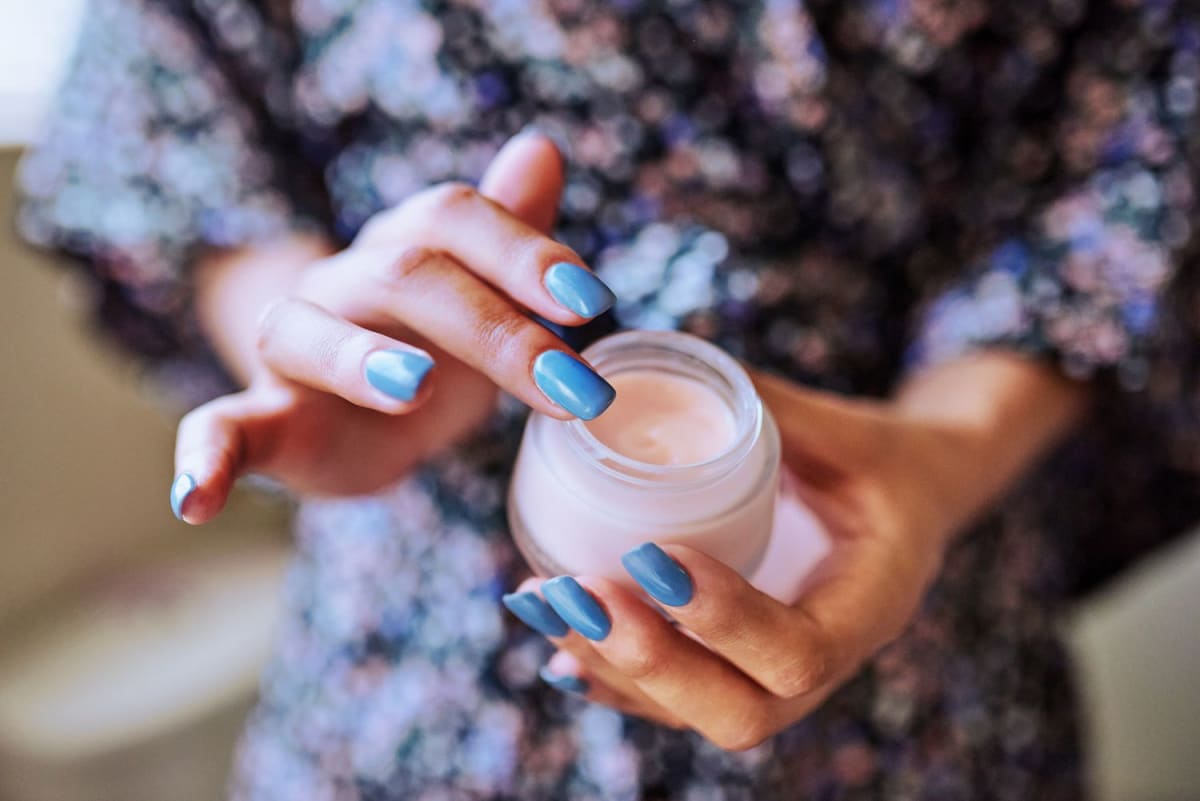
Dispense a nickel-sized amount of cream or lotion into clean hands. Gently rub your fingertips together for a couple of seconds to warm the formula to body temperature. This makes heavier creams spread effortlessly without dragging on fragile skin.
2. Press and Glide
Rather than scrubbing the product in circles, dot the moisturizer across your forehead, cheeks, nose, and chin. Using the pads of your fingers, gently press and glide the formula upward and outward. Working against gravity helps prevent unnecessary tugging on delicate facial connective tissues.
3. Do Not Forget the Neck and Décolletage
Your neck and upper chest have thinner skin with fewer sebaceous glands than your face, making them prone to premature creping and dryness. Bring whatever moisturizer remains on your hands down past your jawline, smoothing it gently upward toward your chin.
Choosing the Right Formula for Your Skin Type
Even flawless application cannot compensate for a product fundamentally mismatched with your skin's unique physiology. Finding your match requires reading past the marketing labels and zeroing in on formulation weights.
For Oily and Acne-Prone Skin
Those with oilier skin often make the mistake of skipping moisturizer altogether, fearing breakouts. In reality, dehydrated oily skin often overproduces sebum to compensate for a lack of moisture. Look for oil-free, non-comedogenic water creams or lightweight gel formulations packed with hyaluronic acid and niacinamide. These soothe inflammation and balance oil production without suffocating pores.
For Dry and Sensitive Skin
If your skin feels tight, flaky, or reactive, you need lipid replenishment. Seek rich creams formulated with ceramides, colloidal oatmeal, and squalane. Avoid artificial fragrances, drying alcohols, and irritating botanical essential oils that can puncture an already fragile moisture barrier.
For Combination Skin
Combination skin thrives on versatile, medium-weight lotions. Alternatively, you can practice targeted application: apply a featherlight gel over an oil-prone T-zone (forehead, nose, and chin) and reserve a richer, nourishing cream for drier cheeks.
Three Common Moisturizing Mistakes to Stop Making
Dermatologists frequently notice well-intentioned skincare enthusiasts falling into a few common traps that sabotage their glow:
- Layering in the wrong sequence: Always apply your skincare products from thinnest consistency to thickest. Serums and watery essences go first; rich barrier creams and facial oils go last.
- Using too much product: Slathering on thick layers will not yield faster results. In fact, excess product sits atop the skin, potentially suffocating follicles and pill under makeup.
- Confusing hydration with sun protection: While many day creams contain SPF, they are rarely applied in sufficient amounts to deliver true broad-spectrum coverage. Always follow your morning moisturizer with a dedicated sunscreen.
Actionable Takeaways for Glowing, Resilient Skin
Transforming your daily moisturization habit requires only minor adjustments, but the long-term payoff for your barrier health is immense. Keep this quick checklist on hand:
- Apply moisturizer onto damp skin within three minutes of washing your face.
- Use light, upward pressing motions instead of aggressive rubbing.
- Tailor your texture to your skin type: lightweight gels for oily profiles, ceramide-dense creams for dry complexions.
- Extend every application down over your neck and chest.
- Finish your morning routine with broad-spectrum sunscreen every single day.
By treating this daily ritual with intentionality and clinical precision, you empower your skin barrier to retain moisture effortlessly, delivering the smooth, resilient complexion you deserve.
Source Attribution: Article content originally reported by Wendy Rose Gould; Hana Hong. Read original story coverage on Wendy Rose Gould; Hana Hong →

Elena Rostova
WelloraDaily Editorial Team