Emma Memma Returns to Telethon: The Inspiring Connection Between Inclusive Movement, Joy, and Pediatric Health
There is an undeniable, electric magic that occurs when a beloved entertainer connects with a room full of children. Smiles spread from ear to ear, eyes widen in wonder, and spontaneous dancing erupts. When that entertainer champions accessibility, visual communication, and the pure joy of movement, the impact extends far beyond entertainment—it enters the realm of healing, development, and community wellness.
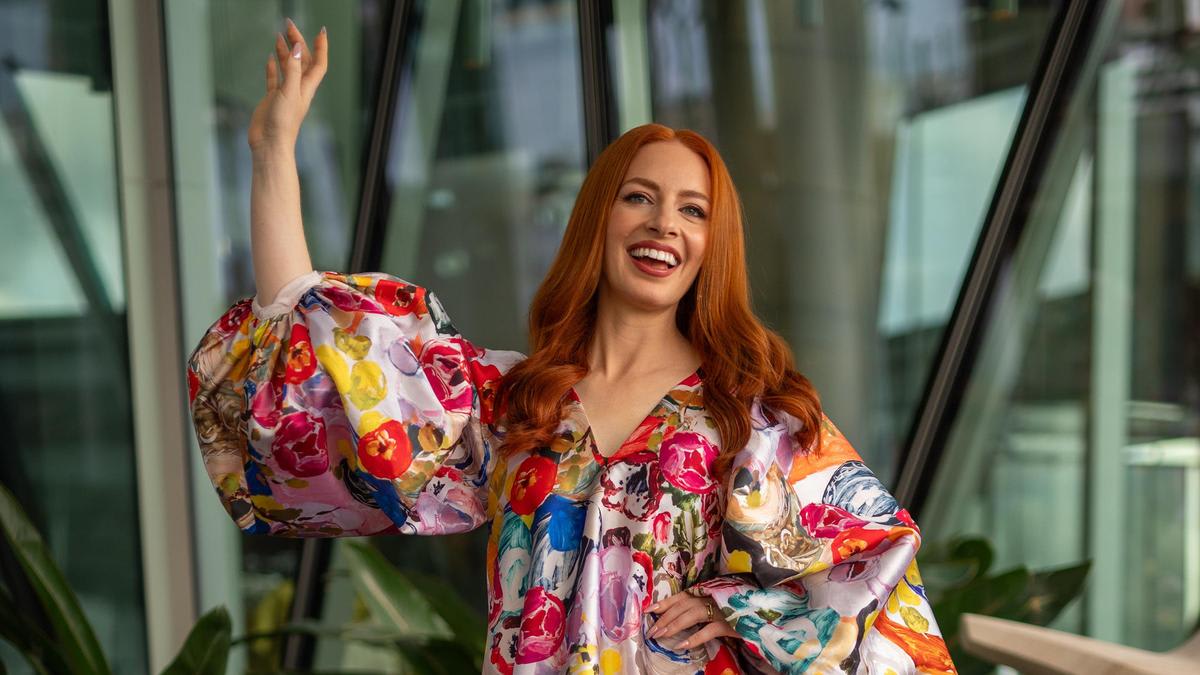
Families across Australia have reason to celebrate as beloved children’s entertainer Emma Memma has officially confirmed her return to Perth this October. She will once again participate in the legendary 26-hour Telethon broadcast, an extraordinary fundraising marathon that provides life-changing support for pediatric health and medical research.
Her upcoming appearance shines a welcome spotlight not only on the celebrated charity weekend itself, but also on the profound role that music, non-verbal communication, and creative expression play in fostering childhood well-being.
A Beacon of Hope: What Makes the 26-Hour Telethon Broadcast Extraordinary
For decades, Western Australia’s Telethon has stood as a worldwide benchmark for community-driven philanthropy. Spanning an exhausting yet exhilarating 26 continuous hours on television, the broadcast rallies people from every walk of life to raise funds for sick, vulnerable, and disadvantaged children.
Behind the glittering television sets and joyful performances lies a powerful mission. The funds raised during this annual event directly finance cutting-edge pediatric research, state-of-the-art medical equipment for children’s hospitals, and essential community programs supporting rare conditions and chronic illnesses.
When prominent performers like Emma Memma dedicate their time and boundless energy to the broadcast, they bring immense visibility to pediatric health challenges. More importantly, they provide the young patients watching from hospital rooms and family living rooms with an empowering reminder that their community stands firmly behind them.
The Emma Memma Effect: Movement, Auslan, and Inclusive Play
Since launching her vibrant persona, Emma Memma (created by acclaimed performer and dancer Emma Watkins) has revolutionized modern early childhood entertainment by centering visual storytelling and accessibility. Her work seamlessly blends catchy melodies and joyful choreography with Auslan (Australian Sign Language) and rich gestural play.
This innovative approach offers powerful developmental benefits that extend well beyond the screen:
- Universal Accessibility: By incorporating sign language into songs and dialogue, deaf and hard-of-hearing children feel seen and included from the very first beat.
- Bilingual Brain Stimulation: Research in child development consistently shows that learning sign alongside spoken language enhances spatial reasoning, fine motor coordination, and cognitive flexibility in young learners.
- Emotional Expression for All Abilities: For non-verbal children or those experiencing speech delays, gestural communication provides an immediate, frustration-free pathway to express thoughts, emotions, and desires.
The Healing Science of Music and Movement in Pediatric Care
Why do performers like Emma Memma resonate so deeply within healthcare spaces and therapeutic environments? The answer lies in the physiological and neurological foundations of music and dance.
When children engage with rhythm and movement, their brains release dopamine and endorphins—neurochemicals that naturally elevate mood, ease physical discomfort, and lower cortisol levels associated with chronic stress. For a child undergoing intensive medical treatments or long hospital stays, joy is not a trivial luxury; it is a vital clinical ally that supports physiological resilience.
Moreover, active dance encourages vestibular development and gross motor control. Even when children are seated or resting in bed, rhythmic movement of the hands, head, and upper body activates neuroplastic pathways that support recovery, spatial awareness, and overall vitality.
Practical Ways to Bring Inclusive Movement into Your Home
You don't need a television broadcast stage to harness the wellness benefits of inclusive, musical play with your own children. Here are several simple, research-backed ways parents and caregivers can weave creative expression into daily routines:
- Incorporate Everyday Gestures: Learn basic key-word signs for daily routines like eating, playing, resting, and expressing gratitude. Using signs alongside spoken words helps toddlers communicate before their vocal cords fully mature.
- Create Rhythm Breaks: When transitions between tasks become stressful or overwhelming, put on an upbeat song for a two-minute dance break. Movement helps reset an overstimulated nervous system.
- Follow the Child's Lead: Encourage children to invent their own dance moves or hand gestures to describe how they feel. Validating their physical expression builds confidence and self-regulation.
- Model Empathy Through Giving: Watch community events like Telethon together as a family. Engaging young children in charitable acts nurtures empathy, social awareness, and a lifelong appreciation for helping others.
Key Takeaways for Families
As Perth prepares to welcome Emma Memma back to the stage this October, the upcoming 26-hour Telethon broadcast serves as a timely reminder of what community wellness is all about. Joyful entertainment, inclusive communication, and dedicated healthcare advocacy work hand-in-hand to build a brighter, healthier future for every child.
Whether through learning a new sign language gesture together, dancing through the living room, or tuning in to support pediatric health initiatives, embracing the spirit of play and giving remains one of the healthiest habits we can share with the next generation.
Source Attribution: Article content originally reported by Caitlin Vinci. Read original story coverage on Caitlin Vinci →

Elena Rostova
WelloraDaily Editorial Team