Navigating Children's Self-Defense Classes: Building Resilience Beyond the Mat
Understanding the Rising Interest in Youth Martial Arts
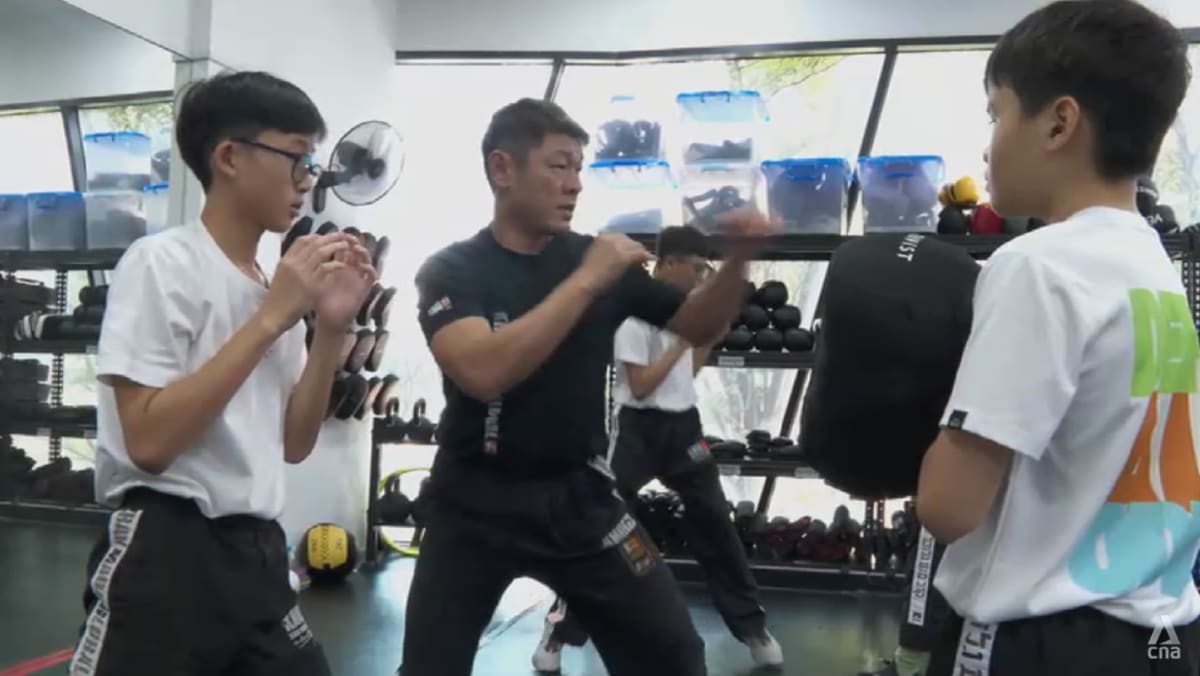
In recent years, community martial arts studios and self-defense gyms have reported a distinct uptick in inquiries and enrollments from parents seeking classes specifically tailored for children. While physical fitness remains a baseline motivator, the driving forces behind this trend are increasingly psychological and social. Families are navigating complex modern environments where children face diverse social pressures, digital distractions, and a growing need for emotional regulation.
Rather than focusing purely on combat mechanics, contemporary youth programs often emphasize holistic development. Developmental psychology suggests that structured physical activities involving coordination, spatial awareness, and controlled movement can significantly benefit executive function in growing children. When parents enroll their children in these programs, they are frequently looking for structured spaces where kids can learn to manage frustration, respect boundaries, and develop a healthy relationship with physical challenge.
The Developmental Intersection of Discipline and Confidence
Confidence in childhood is rarely built through hollow praise; instead, it emerges from mastering difficult tasks over time. Self-defense disciplines—ranging from Brazilian jiu-jitsu to traditional karate—inherently rely on incremental progression. Children earn belts, stripes, or simply the ability to execute a complex sequence of movements through consistent practice.
- Incremental Goal Setting: Breaking down physical techniques into manageable steps teaches children that long-term competence requires patience and daily effort.
- Constructive Frustration: Sparring and practicing holds under safe supervision expose children to controlled discomfort, helping them learn how to stay calm when overwhelmed.
- Boundary Awareness: Many modern self-defense curricula dedicate significant time to verbal assertiveness, teaching children how to use their voices to set clear boundaries with peers and adults alike.
Pediatric wellness experts often note that self-regulation is a cornerstone of emotional intelligence. When a child learns how to safely break a fall, escape a hold, or execute a defensive maneuver, they are simultaneously training their nervous system to respond to stress with problem-solving rather than pure panic.
Integrating Martial Arts Principles Into Everyday Family Life
Enrolling a child in a self-defense class is only one piece of a broader developmental puzzle. To maximize the long-term benefits of these programs, families can reinforce similar concepts within the home environment. The objective is to translate physical lessons from the dojo into emotional and social resilience in daily life.
Establishing Consistent Household Routines
Just as martial arts studios rely on rituals like bowing, lining up, and structured warm-ups, children thrive on predictability at home. Establishing clear routines around homework, screen time, and chores helps children internalize the concept of discipline without requiring constant parental friction.
Fostering Open Communication About Conflict
Self-defense training frequently emphasizes that physical intervention is always a last resort. Parents can mirror this philosophy by coaching children through verbal conflict resolution with siblings and peers. Ask open-ended questions when a disagreement arises, such as:
- What was the goal you were trying to achieve in that moment?
- How did your body feel when the argument escalated?
- What is another way you could have expressed your boundary using your voice?
By connecting physical awareness to emotional reflection, parents help children build a comprehensive toolkit for navigating challenges. Whether on the playground, in the classroom, or on the martial arts mat, the ultimate goal is not to prepare children for conflict, but to equip them with the calm, confidence, and resilience needed to walk through life securely.
Sources & References
- Original Reporting: Coverage originally reported by channelnewsasia.com. View source publication →
- Scientific Context: Synthesized by the WelloraDaily Editorial Desk using peer-reviewed biomedical literature and public health guidance.
- Educational Notice: This article is intended for educational and informational purposes only and does not replace professional medical advice.

Elena Rostova
WelloraDaily Editorial Team