The Modern Fatherhood Shift: Why More Dads Are Taking Extended Paid Family Leave
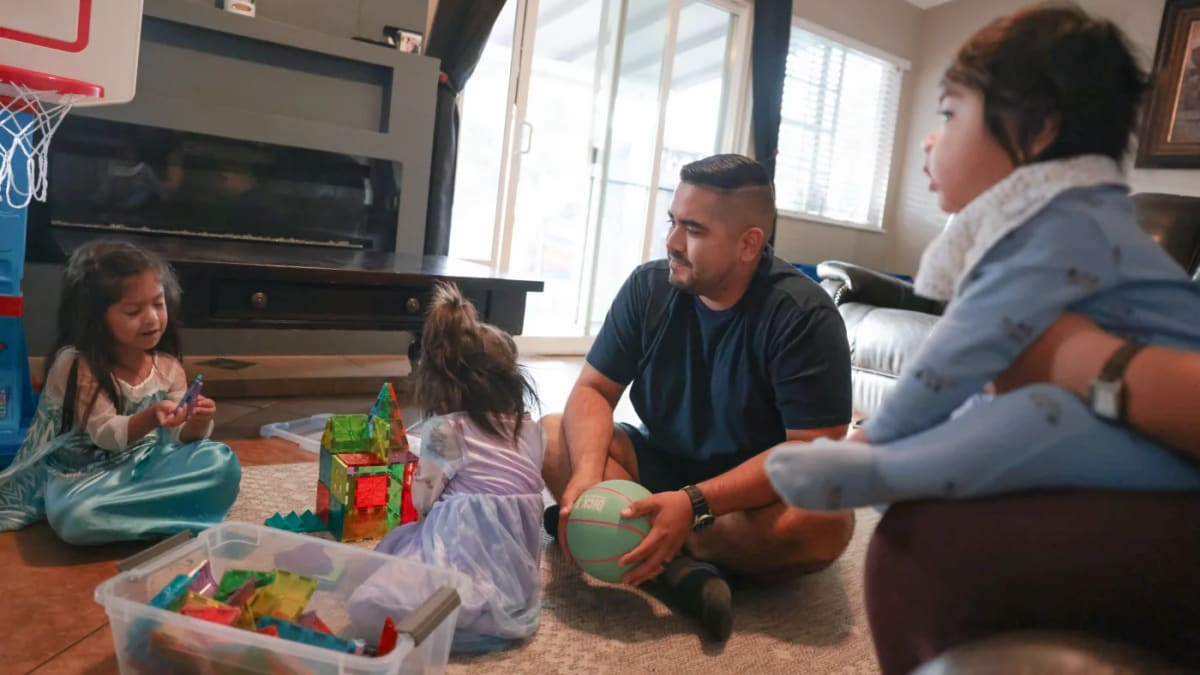
On any given weekend in Southern California, you might catch Karlo Campana completely outnumbered. With three energetic children under the age of four, his living room frequently transforms into an impromptu basketball court or an obstacle course. For generations, the expectation for a father in Campana's shoes would have been clear: take a few days off immediately after birth, hand over the primary caregiving reins, and head straight back to the office. But today, a quiet revolution is reshaping living rooms and workplaces across the country. More fathers than ever before are stepping away from their desks and stepping into extended paid family leave—sometimes taking just as much time as mothers.
This cultural and systemic evolution is about far more than changing diapers or checking off human resources boxes. It represents a fundamental recalibration of modern parenting, gender equity, and holistic family health. As state policies evolve and forward-thinking employers expand their benefits, the archetype of the detached breadwinner is rapidly giving way to the deeply engaged, nurturing co-parent.
A Changing Landscape: From Cultural Novelty to Everyday Standard
For decades, paternity leave in the United States was largely considered a luxury or an afterthought. Even when companies offered parental leave, unspoken corporate stigmas often dissuaded men from taking advantage of it. Leaving an executive desk or factory floor for more than a week was frequently viewed as a lack of professional commitment.
Today, that narrative is unraveling. While the United States remains the only OECD nation without a federal statutory paid leave policy, a growing patchwork of state-level paid family leave programs—pioneered by states like California, New Jersey, and New York—has demonstrated the profound demand for caregiving parity. Under these programs, eligible workers receive partial wage replacement to bond with a newborn, newly adopted child, or foster placement.
Crucially, fathers are taking note. Data from state programs and private corporate benefit packages indicates that the gender gap in leave-taking is steadily shrinking. More men are utilizing the full allocation of time available to them, whether in continuous stretches or staggered intervals throughout their baby's first year.
The Science of Father-Infant Bonding
The benefits of extended paternity leave go far deeper than logistics; they reach into the neurobiology of early childhood development. Developmental psychologists and neuroscientists have long documented the immense impact of maternal care, but recent research reveals that father-infant bonding creates similarly profound neurological shifts.
When fathers engage in direct, hands-on care—such as skin-to-skin contact, feeding, soothing, and babywearing—their brains undergo measurable hormonal adaptations. Oxytocin levels rise, fostering empathy and emotional attunement, while cortisol levels decrease, reducing baseline stress. For infants, having multiple responsive caregivers builds secure attachment styles, which are linked to higher emotional resilience, enhanced social competence, and stronger cognitive development later in childhood.
Supporting Maternal Health and Relational Longevity
The postpartum period, often referred to as the fourth trimester, presents immense physical and psychological challenges for mothers. From recovering from major medical procedures to navigating hormonal fluctuations and chronic sleep deprivation, the burden can feel overwhelming when navigated in isolation.
When a partner takes extended paid leave, the dynamic shifts from a solo survival test to a collaborative partnership. Research consistently links paternal involvement during early infancy with a marked reduction in the incidence and severity of postpartum depression and anxiety. Furthermore, when fathers take an active role from day one, household duties and emotional labor tend to be distributed more equitably long after the leave period concludes.
- Accelerated Maternal Physical Recovery: Having an active partner allows the birthing parent adequate rest and restorative sleep, significantly aiding tissue repair and pelvic floor recovery.
- Strengthened Coparenting Communication: Couples who share early caregiving duties report higher relationship satisfaction and fewer conflicts over domestic tasks.
- Sustained Maternal Career Trajectories: When childcare is not automatically defaulted to mothers, women face fewer career interruptions and experience less wage penalties over their working lifetimes.
Overcoming the Flexibility Stigma in the Workplace
Despite these clear advantages, the road to universal paternity leave is still paved with challenges. The "flexibility stigma"—the perception that prioritizing family life diminishes career drive—remains an obstacle in competitive corporate environments. Many fathers still worry that stepping away could lead to missed promotions, marginalized project assignments, or subtle professional penalties.
To dismantle these lingering barriers, organizational leadership must lead by example. When male executives, managers, and mentors openly take their full leave and set boundaries around communication during that time, it establishes psychological safety for the entire workforce. Normalizing paid leave not only improves employee retention and morale, but it also helps attract top talent in an era where work-life balance is prioritized higher than ever before.
Practical Guidance for Expectant Fathers
Navigating the transition into fatherhood requires deliberate preparation, particularly when managing workplace policies and financial considerations. If you are an expectant or new dad planning your family leave, consider the following strategic steps:
- Investigate Your State and Corporate Benefits: Do not rely on assumptions. Consult your human resources handbook and state labor department website to explore state-mandated paid leave, short-term disability policies, and company-specific parental benefits.
- Coordinate Staggered Leave with Your Partner: Some couples choose to take the first few weeks off together to establish routines, after which the father returns to work briefly before taking the remainder of his leave when the mother returns to her job. This approach extends total family care coverage and gives dads solo caregiving confidence.
- Communicate Early and Clearly with Your Team: Give your employer several months of notice before your anticipated leave date. Proactively draft a coverage plan detailing how your tasks will be handled in your absence, minimizing friction for your colleagues.
- Embrace the Messy Learning Curve: Caregiving is a skill developed through trial, patience, and repetition. Do not defer everyday tasks—such as bathing, soothing, or doctor visits—to your partner. Dive in completely from day one.
Key Takeaways
- Closing the Leave Gap: A rising number of fathers are taking extended paid leave, shifting the traditional dynamic of domestic caregiving.
- Neurological & Emotional Benefits: Active paternal involvement early in life stimulates oxytocin, secures infant attachment, and supports long-term emotional health.
- Vital Support for Mothers: Paternal presence during the fourth trimester significantly reduces maternal postpartum depression risks and fosters equitable division of labor.
- Workplace Evolution: Modern organizations are beginning to recognize that offering and encouraging paternity leave enhances retention, equity, and overall employee well-being.
As fathers like Karlo Campana continue to prove, taking time to bond with a newborn is neither a vacation nor a career derailment. It is an invaluable investment in the foundation of a family—one that yields dividends of health, resilience, and connection for years to come.
Source Attribution: Article content originally reported by NPR. Read original story coverage on NPR →

Elena Rostova
WelloraDaily Editorial Team