Carrying the Song Forward: How a Belfast Family's Heartfelt Charity Auction Teaches Us to Heal Through Legacy
When someone we cherish passes away, what happens to the small, vibrant pieces of their world? Their favorite records, their worn-in guitar cases, the notes scrawled on concert tickets, or the stories they told to strangers on city streets? For many grieving families, personal belongings can feel heavy with absence. Yet, when handled with intentional love, those very items can become vessels of lasting connection and community healing.
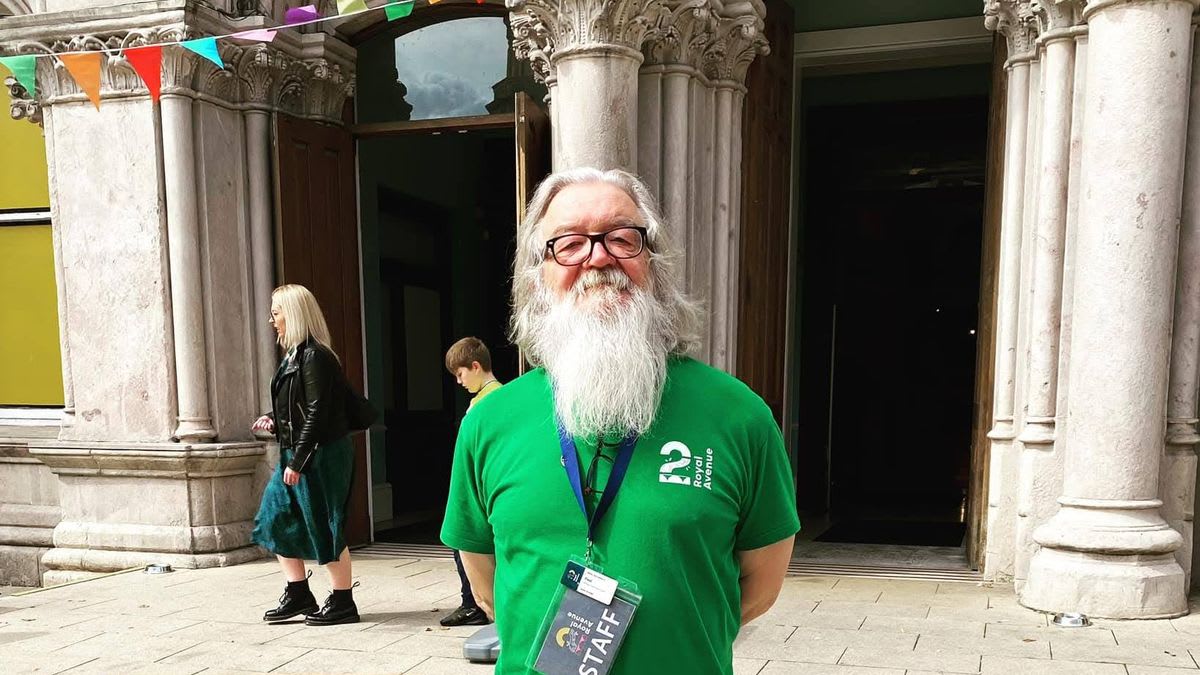
In Belfast, the family of a beloved local tour guide is proving just that. Honoring his life and lifelong passion for sound, they are organizing a special charity music auction dedicated to celebrating his impact. Explaining the moving intention behind the gathering, his family shared a poignant sentiment that resonates with anyone who has ever navigated profound loss: "I like the idea that there's gonna be little bits of him all over the place, carrying his legacy."
The Psychology of Legacy: Reframing Loss Through Creative Action
Grief is rarely linear, and traditional bereavement models often fail to capture the deep urge to keep a loved one's spirit actively present in everyday life. Psychologists frequently speak about the concept of "continuing bonds"—the understanding that healing does not require severing our attachment to someone who has died, but rather reshaping that relationship into something enduring and meaningful.
Turning a personal collection into a public, charitable effort represents a profound psychological shift. Instead of letting treasured items gather dust in silent rooms, passing them into the hands of fellow music enthusiasts transforms static memories into dynamic, living tributes. Every time a record spins or an instrument is played in a new home, the person's enthusiasm finds a fresh audience.
Why Music and Memory Are Inseparable
It is no coincidence that music often forms the bedrock of memorial projects. Neurologically, music is one of the most powerful triggers of autobiographical memory. Studies show that auditory pathways are intimately linked with our emotional memory centers, particularly the amygdala and hippocampus.
- Emotional Anchoring: A single melody can instantly transport us back to a specific afternoon, an unforgettable conversation, or the unique cadence of someone's laughter.
- Shared Community: Music is inherently communal. When families share a loved one's musical passion through charity, they invite an entire community to participate in that emotional resonance.
- Cathartic Expression: Creating or listening to music activates dopamine pathways and reduces cortisol levels, offering physiological relief during periods of intense sorrow.
Transforming Personal Grief into Collective Good
Altruistic acts during bereavement have been documented to provide therapeutic benefits for those left behind. When individuals direct their grief toward supporting a cause, it creates a sense of purpose during a time that can otherwise feel disorienting and helpless.
For this Belfast tour guide—someone whose daily calling was introducing people to stories, history, and community—a charity auction serves as an organic extension of his life's work. It bridges the gap between private sorrow and public celebration, allowing neighbors, visitors, and fellow music lovers to hold a tangible piece of that story.
As his family beautifully observed, dispersing those items across towns and living rooms ensures his spirit remains in motion. He is no longer confined to a memory; he is alive in the chords, the lyrics, and the shared appreciation of people who treasure the very things he loved.
Meaningful Ways to Celebrate and Preserve a Loved One's Legacy
If you are navigating the journey of grief and wondering how to honor the memory of someone who shaped your world, consider these gentle, practical approaches:
- Share Their Passions Widely: If your loved one loved books, donate their favorite titles to community libraries with short inscribed notes inside. If they loved music, consider sharing curated playlists or gifting instruments to youth programs.
- Channel Collections into Charitable Impact: Organizing a memorial fundraiser, garage sale, or auction allows personal items to find appreciative homes while generating resources for causes close to their heart.
- Build a "Living Story" Archive: Invite friends, colleagues, and acquaintances to share voice notes, written memories, or photographs documenting their encounters with your loved one.
- Create Physical Touchstones: Select one or two meaningful tokens that you keep close, while intentionally releasing other belongings to friends or charities where they will be actively used and cherished.
Key Takeaways for Navigating Grief and Remembrance
Grieving with purpose does not mean rushing to "move on." Instead, it gives us permission to move forward while carrying the best parts of our loved ones with us.
- Legacy is Active, Not Passive: Honoring someone can be as simple as practicing their values, sharing their interests, or fostering the community connections they valued.
- Letting Go Can Mean Letting Live: Allowing personal treasures to find new owners can help disperse light and love far beyond your immediate circle.
- Healing Thrives in Connection: Bringing people together around shared interests—like local history, storytelling, or music—softens isolation and reminds us that no one grieves alone.
The tribute taking shape in Belfast reminds us that love is never truly contained. When we allow our memories to ripple outward, we ensure that the songs, stories, and kindness of those we miss continue to echo in homes we may never even visit.
Source Attribution: Article content originally reported by Sophie McLaughlin. Read original story coverage on Sophie McLaughlin →

Elena Rostova
WelloraDaily Editorial Team