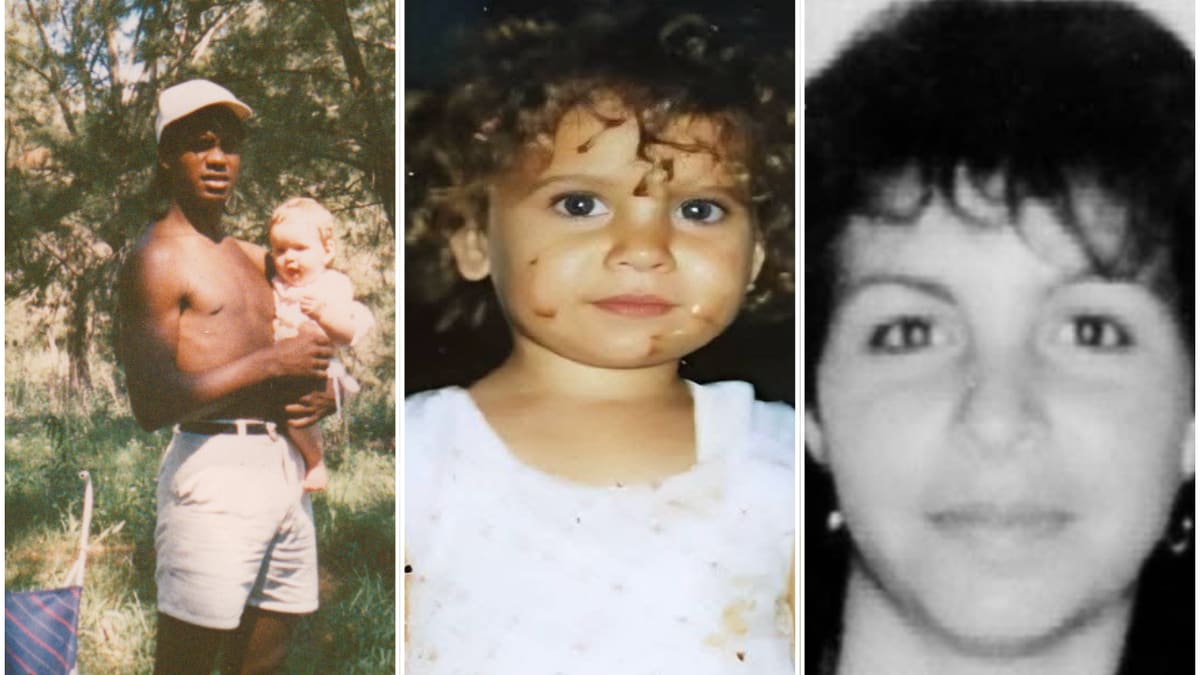
Navigating the Lifelong Weight of Parental Loss: Understanding Anniversary Grief and the Neurobiology of Bereavement
We often hear the platitude that “time heals all wounds.” It is repeated at funerals, written inside sympathy cards, and spoken gently by well-meaning friends hoping to ease unbearable sorrow. Yet, for parents who have endured the unimaginable loss of a child, this familiar saying falls agonizingly short. As one grieving mother voiced on a milestone anniversary of an unfathomable tragedy, ‘There is no getting over the loss of a child. Time does not make you forget. The years may pass, but Evelyn is still my first baby.’
These words capture a profound psychological reality that conventional grief frameworks frequently overlook. The death of a child—particularly when sudden or tied to traumatic violence—does not follow a clean, linear trajectory that resolves with time. Instead, it transforms the architecture of a parent’s emotional, neurological, and physical world permanently.
The Myth of ‘Closure’ in Traumatic Loss
Popular culture has long mischaracterized the grieving process as a five-stage journey ending neatly in “acceptance.” In modern clinical psychology, however, bereavement specialists recognize that traumatic bereavement defies tidy closure. When a parent loses a child, their brain must reconcile the total disruption of an instinctive protective bond.
Dr. Lois Tonkin introduced a widely celebrated model known as “Growing Around Grief.” In traditional thinking, people assume grief shrinks over time until it disappears. Tonkin suggested the opposite: the grief remains the exact same size, but over many years, an individual slowly builds a larger life around that void. The ache never softens into indifference; rather, the capacity to carry it expands.
Understanding the ‘Anniversary Reaction’
Why do grim milestones and calendar dates carry such an overwhelming somatic and emotional punch? Psychologists refer to this phenomenon as an anniversary reaction. Even when a person is not consciously tracking the days, the nervous system often keeps score.
As an anniversary approaches, sensory cues such as the angle of the sun, shifting temperatures, seasonal aromas, or subconscious calendar associations can activate the body’s limbic system. This sudden activation can trigger a cascade of symptoms:
- Acute Autonomic Arousal: Elevated heart rate, shallow breathing, muscle tension, and unexplainable restlessness.
- Emotional Intrusions: Vivid memories, intrusive flashbacks of the event, or an overwhelming wave of sadness that mirrors the immediate aftermath of the loss.
- Sleep Disruptions: Insomnia, frequent night awakenings, or emotionally vivid dreams featuring the lost child.
- Cognitive Fog: Difficulty concentrating at work, memory lapses, and a persistent sense of mental detachment.
Acknowledging that these physiological surges are normal manifestations of a trauma-informed nervous system helps survivors reduce the shame or fear that they are “regressing” in their healing journey.
The Neurobiology of Parental Attachment and Bereavement
From a neurobiological standpoint, a parent’s bond with their child is deeply rooted in neural circuits governing survival, reward, and identity. Structures such as the oxytocin-rich nucleus accumbens and the amygdala create a neurological map where the child represents future continuity, safety, and purpose.
When a child is ripped away, that neural map is violently shattered. The brain continues to anticipate the child’s presence, voice, and touch, creating what neuroscientists call an “attachment alarm.” This explains why a mother can state decades later that her child remains her baby; the brain’s maternal circuitry does not dismantle its foundational wiring simply because physical years have elapsed.
How to Support Grieving Families Through Major Anniversaries
When families make public or private pleas to remember their loved ones on painful anniversaries, community support plays a pivotal role in preventing complicated, isolated grief. Yet many well-intentioned friends stay silent out of fear of “bringing up painful memories.” In reality, the bereaved are already remembering.
1. Say Their Name Without Hesitation
One of the greatest fears for a bereaved parent is that the world will forget their child existed. Speaking the child’s name aloud confirms that their life had undeniable meaning and value. Mentioning Evelyn validates that she is still remembered, loved, and counted.
2. Abandon the Timeline
Never measure someone’s grief by the calendar. Refrain from saying things like “It has been ten years, you should be moving forward.” Traumatic loss does not obey a clock. Meet the bereaved wherever they are on any given day without demanding progress.
3. Offer Concrete, Low-Pressure Support
Open-ended statements like “Let me know if you need anything” place a heavy executive-functioning burden on someone in acute distress. Instead, offer specific acts of care: drop off a meal, send a handwritten card expressing love, or light a memorial candle in solidarity.
Key Takeaways for Honoring Lifelong Grief
- Loss is Not a Problem to be Solved: Grief is a continuing expression of love in the absence of physical presence; it is an enduring human response, not an illness to cure.
- Anniversary Surges are Normal: Physical and psychological flare-ups around traumatic dates reflect autonomic memory, not personal failure or emotional regression.
- Language Matters: Validate a parent’s lifelong bond with their child. Acknowledge that time does not erase maternal or paternal identity.
- Community Presence is Protective: Long-term social support and shared remembrance significantly buffer the physical health risks associated with chronic, prolonged grief.
Healing from profound loss is not about learning to forget; it is about finding safe ways to carry love and memory forward. As society learns to listen more deeply to the voices of grieving families, we can replace hollow platitudes with enduring, compassionate presence.
Source Attribution: Article content originally reported by Freddy Pawle. Read original story coverage on Freddy Pawle →

Elena Rostova
WelloraDaily Editorial Team