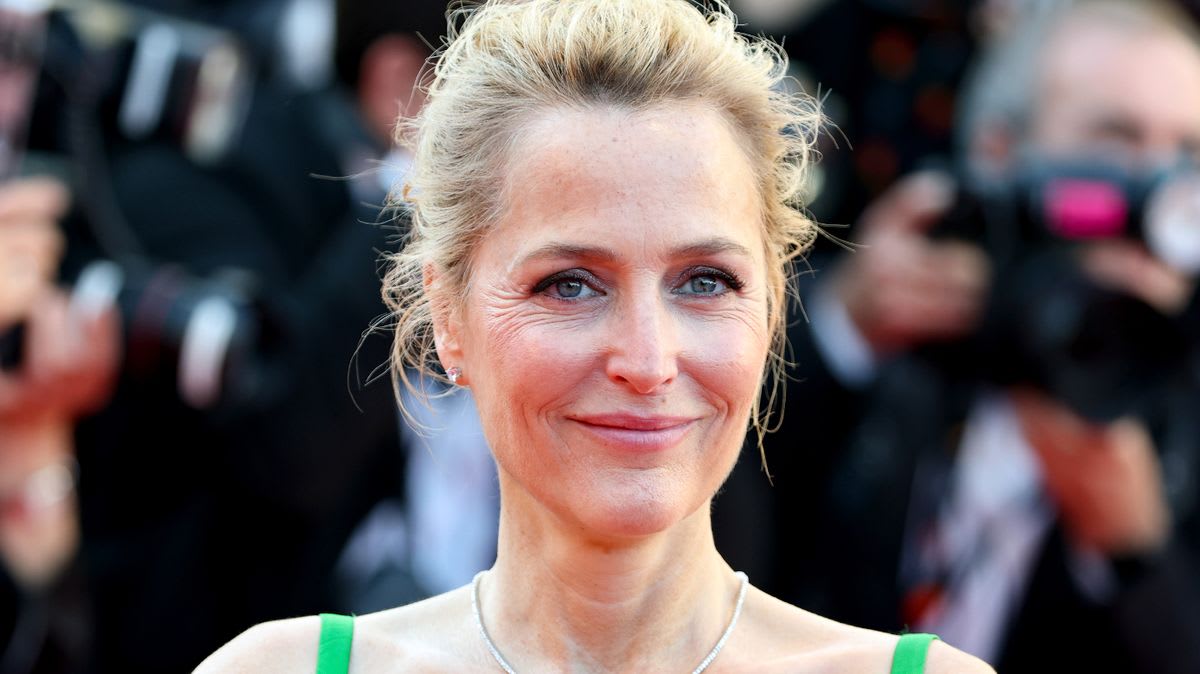
Gillian Anderson on Pansexuality, Sexual Fluidity, and Why Self-Discovery Has No Expiration Date
When was the last time you allowed yourself to reconsider who you are at your core? For many of us, adult life brings an unwritten expectation that our identities should be neatly organized, settled, and filed away by our thirties. Yet human nature, emotional intimacy, and attraction are rarely that static. Award-winning actress Gillian Anderson, 58, recently offered a refreshing reminder of this truth by opening up about her identity as pansexual, reflecting on past relationships with women and noting how her role on Netflix’s acclaimed series Sex Education served as an essential turning point in her understanding of self.
Understanding Pansexuality in Modern Discourse
Anderson’s candor has sparked an inspiring cultural dialogue about the spectrum of human sexuality, particularly for adults in midlife and beyond. While terms like “gay,” “lesbian,” and “bisexual” have long been woven into mainstream conversations, pansexuality is often still misunderstood.
At its core, pansexuality refers to sexual, emotional, or romantic attraction toward people regardless of their sex or gender identity. While bisexual individuals often define their attraction as encompassing two or more genders, pansexuality typically views gender as an immaterial factor in how attraction blossoms. For pansexual individuals, connection often stems from personality, emotional resonance, spiritual energy, and intellectual intimacy rather than gender presentation.
The Catalyst of Art: How Sex Education Opened New Doors
For Anderson, portraying Dr. Jean Milburn—the candid, sex-positive, and delightfully unapologetic therapist on Netflix’s Sex Education—was more than just a memorable career milestone. It was a catalyst for introspection. Stepping into a narrative environment completely centered on dismantling shame, confronting myths, and embracing open dialogues about bodily autonomy naturally created space for her to examine her own worldview and romantic history.
Cultural work has a profound way of holding up a mirror to our interior lives. When an environment normalizes open, vulnerable exploration without judgment, it creates psychological safety. For Anderson, being immersed in scripts that prioritized radical empathy allowed her to articulate what had always been a genuine, lived reality: that love and attraction are far too expansive to be confined to rigid expectations.
Sexual Fluidity Across the Lifespan
One of the most vital aspects of Anderson’s revelation is her age. At 58, she stands as a powerful counter-narrative to the societal assumption that coming into one’s truth is exclusively a young person’s journey. Developmental psychologists and sexologists have long recognized the concept of sexual fluidity—the capacity for one’s attractions, desires, and self-conceptions to shift or clarify over time.
- Shedding Societal Conditioning: As we age, the urge to conform to external expectations often diminishes. Many adults find that their fifties bring an unprecedented sense of emotional sovereignty, where pleasing others takes a backseat to personal authenticity.
- Deepening Emotional Intelligence: Years of lived experience give people a richer understanding of what truly makes them feel connected, safe, and valued in relationships.
- Changing Milestones: Shifting family dynamics, career transitions, and personal evolutions create quiet opportunities to re-evaluate desires that may have been sidelined in earlier decades.
The Mental Health Benefits of Stepping into Authenticity
Suppressing or minimizing aspects of one’s identity carries an invisible, cumulative psychological cost. Clinical research continuously highlights the link between “minority stress”—the chronic stress that comes from stigmatization or concealment—and challenges like anxiety, depressive episodes, and chronic physical fatigue.
Conversely, naming and honoring who you love fosters profound emotional equilibrium. Authenticity serves as a buffer against emotional burnout. When public figures like Anderson speak matter-of-factly about having relationships with women and identifying across a broader spectrum, it normalizes fluidity for everyday individuals who might otherwise feel isolated or “too late” to the realization of who they are.
Embracing Your Own Journey: Practical Reflections
If you find yourself questioning, shifting, or becoming curious about your emotional or romantic identity later in life, know that your journey is entirely valid. Here are several compassionate steps to guide your personal exploration:
- Dismantle the Arbitrary Timelines: There is no developmental cut-off date for self-discovery. Give yourself permission to view identity as a dynamic, evolving tapestry rather than a fixed contract signed in adolescence.
- Practice Radical Curiosity Over Judgment: When thoughts, feelings, or attractions surface, observe them with gentle curiosity rather than anxiety. Ask yourself: What is this attraction telling me about what I value in another human being?
- Seek Safe, Affirming Spaces: Whether through literature, LGBTQ+ affirming therapy, support groups, or honest conversations with trusted friends, surround yourself with voices that normalize fluid human experiences.
- Remember that Labels Serve You, Not Others: You are not obligated to explain, defend, or rapidly categorize your feelings. Labels are helpful tools for finding community and self-understanding; they should never feel like constraints.
Key Takeaways
- Pansexuality is Person-Centric: It focuses on romantic, emotional, or physical attraction regardless of sex or gender.
- Representation Shapes Reality: Anderson’s work on Sex Education underscores how art and media can foster safe, reflective spaces for genuine self-discovery.
- Identity Evolves: Sexual fluidity is a normal, documented human experience across all stages of life, including midlife and beyond.
- Authenticity Heals: Accepting your emotional and romantic truths improves psychological well-being and reduces the internal friction caused by societal pressure.
Ultimately, Gillian Anderson’s reflections serve as an invitation to all of us: to drop our defenses, let go of outdated scripts, and understand that exploring who we are is a lifelong adventure well worth having.
Source Attribution: Article content originally reported by Jamie Downham. Read original story coverage on Jamie Downham →

Elena Rostova
WelloraDaily Editorial Team