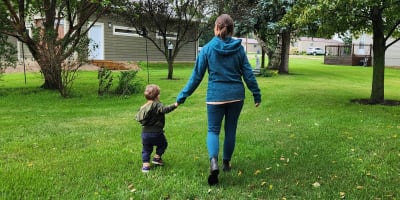
The Healing Power of Green Spaces: How Nature-Based Mindfulness Offers True Relief for Exhausted Parents and Caregivers
When was the last time you took a deep breath without a mental to-do list running in the background? For millions of parents and family caregivers, quiet moments are virtually non-existent. Between managing schedules, tending to emotional needs, handling household logistics, and often juggling careers, the nervous system rarely gets a chance to downshift from fight-or-flight mode. Even conventional self-care advice—like sitting in silence to meditate—can paradoxically feel like just another chore on an already overwhelming daily agenda.
A Fresh Approach to Caregiver Burnout: Nature Meets Mindfulness
Caregiver burnout is a pervasive, quiet crisis. Whether raising young children, caring for a neurodivergent child, or supporting an aging relative, the prolonged emotional and physical toll can erode psychological well-being. Recognizing this urgent reality, researchers published an eye-opening mixed-methods study in Frontiers in Psychology investigating a novel therapeutic avenue: a structured nature-based mindfulness program designed specifically for parents and primary caregivers.
While mindfulness-based interventions (MBIs) have long been recognized for their clinical benefits in stress reduction and emotional regulation, this study explored what happens when you remove mindfulness from sterile indoor rooms and anchor it directly in the natural world. The results provide compelling scientific backing for something intuitive yet frequently overlooked: nature acts as a powerful amplifier for mindful awareness, making restorative practices more accessible, intuitive, and effective for overburdened adults.
The Science of Nature as a Nervous System Reset
Why does practicing mindfulness outdoors have such a profound impact on caregiving stress? To understand the findings of the Frontiers study, it helps to examine how the human brain processes environmental stimuli.
In everyday life, caregivers rely heavily on what cognitive psychologists call directed attention. This is the focused mental energy required to problem-solve, monitor safety, plan meals, and multitask. Directed attention is a finite resource; when depleted, it leads to cognitive fatigue, heightened irritability, and emotional numbness—the classic hallmarks of caregiver burnout.
In natural environments, however, our minds engage in what Attention Restoration Theory (ART) terms soft fascination. The gentle movement of leaves in the wind, the rhythmic pattern of flowing water, and the shifting play of sunlight naturally catch our attention without demanding active cognitive effort. This ambient sensory environment allows the prefrontal cortex to rest, naturally lowering salivary cortisol, slowing the heart rate, and activating the parasympathetic nervous system.
Key Insights from the Mixed-Methods Study
The Frontiers mixed-methods research tracked caregivers through structured outdoor mindfulness practices, combining quantitative measurements of psychological well-being with in-depth qualitative feedback. Several notable themes emerged from the findings:
- Dissolving the Resistance to Stillness: Participants consistently reported that practicing mindfulness outdoors felt significantly less intimidating than traditional indoor meditation. The ambient sounds and physical sensations of nature provided an anchor for their wandering thoughts without the frustrating struggle to force their minds blank.
- Meaningful Reductions in Caregiver Stress: Quantitative indicators demonstrated measurable drops in perceived stress and symptoms of parental burnout, alongside increases in present-moment awareness and self-compassion.
- Cultivating Emotional Perspective: In qualitative interviews, caregivers reflected on a profound shift in perspective. Standing beneath mature trees or looking across open horizons helped participants feel grounded, fostering a sense that their daily stressors were manageable rather than all-consuming.
- Enhanced Emotional Availability at Home: Parents noted that after nature-based mindfulness sessions, they returned to their families with replenished patience and a greater capacity to respond thoughtfully rather than reactively to challenging behavioral dynamics.
Why Traditional Meditation Can Feel Inaccessible to Busy Parents
Conventional mindfulness programs often ask participants to sit completely still in a quiet room for 30 to 45 minutes. For a parent surrounded by laundry piles, crying infants, or relentless work notifications, this request can feel tone-deaf and counterproductive. Attempting to suppress racing thoughts in an environment filled with domestic reminders often triggers guilt or frustration.
Nature-based mindfulness turns this dynamic on its head. Instead of asking you to shut out the world, it invites you to open your senses to a restorative environment. Nature does not demand anything from you; it holds no expectations, measures no productivity, and issues no judgment. For someone whose entire day revolves around meeting the urgent needs of others, simply existing in an undemanding outdoor space can feel life-changing.
Practical Ways Caregivers Can Integrate Nature-Based Mindfulness
You do not need to attend an intensive forest-bathing retreat or hike a mountain trail to experience the therapeutic benefits documented in this research. Meaningful nervous system regulation can happen in micro-moments throughout your regular week.
1. The 5-4-3-2-1 Sensory Reset in the Backyard
Step outside onto a porch, balcony, or patch of grass for just five minutes. Without reaching for your phone, intentionally tune into your senses: notice five shades of green or natural textures around you, four distinct sounds (wind, birds, distant rustling), three physical sensations (breeze on your skin, the warmth of the sun), two subtle outdoor scents, and one steady breath filling your chest. This rapid exercise breaks the cycle of acute mental rumination.
2. Mindful Movement Instead of Stillness
If your mind is buzzing with nervous energy, sitting cross-legged may make you feel more agitated. Instead, practice slow, mindful walking. Step outside and deliberately match your breathing pace to your footfalls. Notice the physical sensation of your feet connecting with the earth. Allow your gaze to soften and take in the natural periphery rather than focusing sharply on a single point.
3. The "Tree-Gaze" Transition
Use nature as a psychological threshold between stressful transitions—such as finishing work and beginning evening childcare duties. Spend two to three minutes looking out a window at a tree or cloud pattern, breathing deeply into your abdomen. This micro-break signals to your nervous system that one phase of the day has closed before you begin the next.
The Core Takeaway: Caring for Yourself Is Caring for Your Family
Parenting and caregiving are profound acts of sustained devotion, but you cannot pour from an empty vessel. The Frontiers study serves as an essential reminder that self-care for caregivers needs to be both realistic and deeply restorative. Nature provides an immediate, accessible, and scientifically validated setting where exhausted nervous systems can soften, recalibrate, and heal. The next time the demands of caregiving begin to feel overwhelming, consider stepping past the front door, looking up at the sky, and letting the natural world hold space for you.
Source Attribution: Article content originally reported by Jiwen Zhang; Zoe; Lo; Herman Hay Ming; Wai Fong; Chen; Qi-rong. Read original story coverage on Jiwen Zhang; Zoe; Lo; Herman Hay Ming; Wai Fong; Chen; Qi-rong →

Elena Rostova
WelloraDaily Editorial Team