Healing on the Airwaves: How Kapiolani Medical Center's 20th Annual Radiothon for Kids Transforms Pediatric Care
Have you ever tuned in to your local radio station during your morning commute and found yourself completely captivated by a single voice sharing an extraordinary story of courage? For twenty consecutive years, that profound connection has filled the airwaves across Hawaii as the annual Radiothon for Kids rallies an entire community behind its most vulnerable citizens: pediatric patients facing serious medical journeys.
Marking its monumental 20th year, the annual Radiothon for Kids benefiting Kapiolani Medical Center for Women & Children represents far more than an energetic fundraising marathon. It stands as a vital lifeline, an educational platform, and a living testament to what happens when local media, healthcare providers, and generous neighbors unite around a shared mission of healing.
Two Decades of Voices Uniting for Pediatric Care
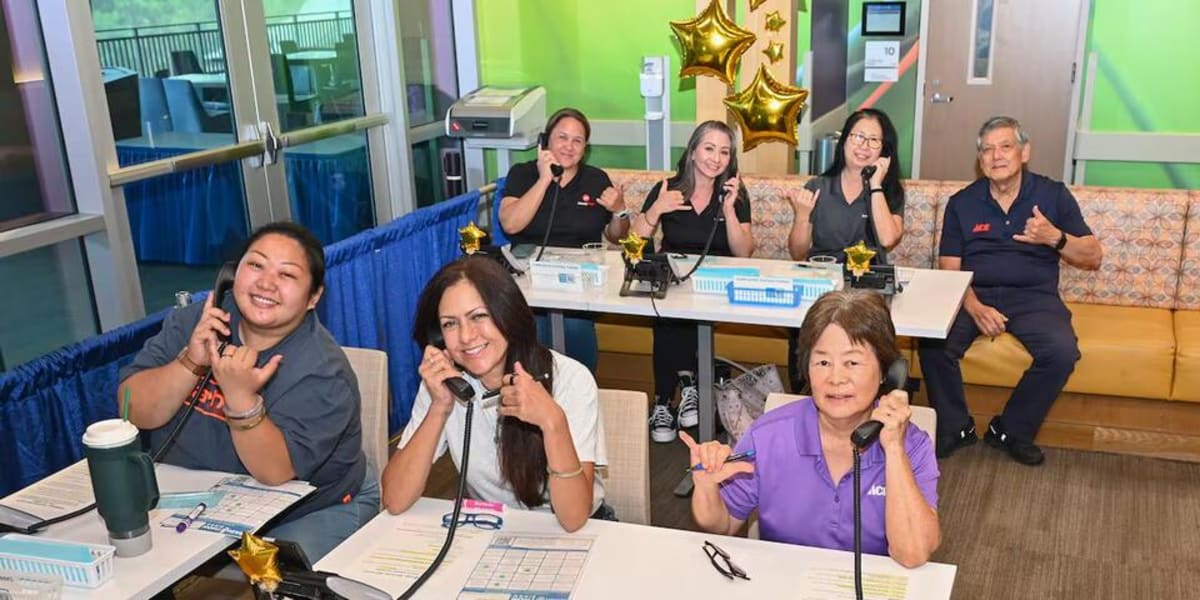
For two decades, families, medical professionals, and broadcast partners have come together for the Radiothon to give listeners an unfiltered, intimate window into pediatric healthcare. Through real-time interviews broadcast across participating stations, families share raw, deeply personal accounts of overcoming premature birth, navigating rare pediatric oncology diagnoses, and recovering from severe trauma.
These broadcasts do something traditional health campaigns often struggle to achieve: they humanize complex clinical medicine. When a parent details the harrowing weeks spent by an incubator in the Neonatal Intensive Care Unit (NICU), or a teenager explains how pediatric therapy restored their mobility, medical statistics transform into tangible human experiences that resonate deeply across living rooms and car dashboards.
Why Specialized Children’s Hospitals Depend on Community Support
Many people assume hospital operations are fully covered by standard medical billing and insurance reimbursements. However, pediatric care operates under fundamentally different clinical and economic models than adult healthcare, making philanthropic initiatives like the Radiothon indispensable.
1. Sizing Down: The High Cost of Pediatric Equipment
Children are not simply miniature adults. Their anatomical and physiological needs change drastically from micro-preemies weighing less than a pound to rapidly growing adolescents. Consequently, children's hospitals must maintain specialized equipment in multiple sizes—from specialized breathing tubes and ventilators to child-sized surgical instruments and imaging coils. This specialized machinery carries significant capital costs that standard operational budgets rarely cover entirely.
2. Child Life Services: Healing Beyond Medicine
One of the most transformative elements funded through community events like the Radiothon is the Child Life program. Child Life specialists are certified professionals trained in developmental psychology who help young patients understand diagnoses, cope with fear, and process painful procedures through therapeutic play. Because insurance providers rarely reimburse for Child Life services, music therapy, or hospital schooling programs, these critical psychosocial supports rely almost exclusively on donor generosity.
3. Bridging Geographic and Island Care Challenges
As the premier specialty hospital for women and children in the Pacific Basin, Kapiolani Medical Center serves as a regional safety net. When a child on a neighboring island experiences a critical medical emergency or requires specialized surgery, families often must navigate medical transport and sudden relocation. Philanthropic funding helps ensure that every child receives world-class treatment close to home, regardless of their family's socioeconomic background or geographic isolation.
The Broader Health Impact: How Philanthropy Fuels Innovation
Longitudinal studies in healthcare delivery consistently demonstrate that well-funded community-supported hospitals achieve superior clinical outcomes. Philanthropic contributions directly accelerate clinical research, enable hospitals to recruit top-tier pediatric subspecialists, and provide capital for modern, family-centered facility upgrades.
Moreover, events like the Radiothon cultivate a shared culture of health literacy. Listeners learn to recognize early symptoms of developmental issues, gain awareness about rare pediatric conditions, and discover the community resources available for family health support. In this way, the broadcast functions simultaneously as an essential public health service and a fundraising initiative.
How You Can Champion Pediatric Health in Your Everyday Life
You don't need a medical degree or a broadcast microphone to make an enduring difference in children's healthcare. Here are practical ways you can foster pediatric health and support your regional children's facilities:
- Support Dedicated Radiothons and Broadcasts: Even modest recurring contributions during hospital drives aggregate into millions of dollars of lifesaving equipment and therapy supplies.
- Advocate for Preventative Health and Wellness: Encourage routine pediatric checkups, developmental screenings, and active lifestyles within your neighborhood and family circles.
- Donate Needed Items to Local Pediatric Units: Many children's facilities accept unopened sensory toys, art supplies, and new books to keep hospitalized children engaged and calm during recovery.
- Engage in Employer Matching Programs: Maximize your philanthropic impact by inquiring whether your workplace offers charitable donation matching for accredited non-profit children's hospitals.
Key Takeaways: The Enduring Legacy of the Radiothon
As the Radiothon for Kids celebrates twenty years of broadcast excellence and community engagement, its legacy is measured not solely in dollars raised, but in lives saved, families comforted, and futures rewritten.
By transforming clinical corridors into stories of hope and community solidarity, the event reminds us that healthcare is fundamentally a collective endeavor. When an entire region rallies together behind its children, healing extends far beyond the walls of the hospital room.
Source Attribution: Article content originally reported by newsbreak. Read original story coverage on newsbreak →

Elena Rostova
WelloraDaily Editorial Team