
When Family Ties Threaten Financial Security: What the Lloyds 'Adverse Media' Mortgage Rejection Means for Borrowers
Imagine spending months preparing your finances, saving meticulously for a deposit, and finding the home where you envision building your future—only to have the lending doors slammed shut. Now imagine that rejection having nothing to do with your credit score, employment stability, or ability to repay, but rather because of news headlines involving an adult family member.
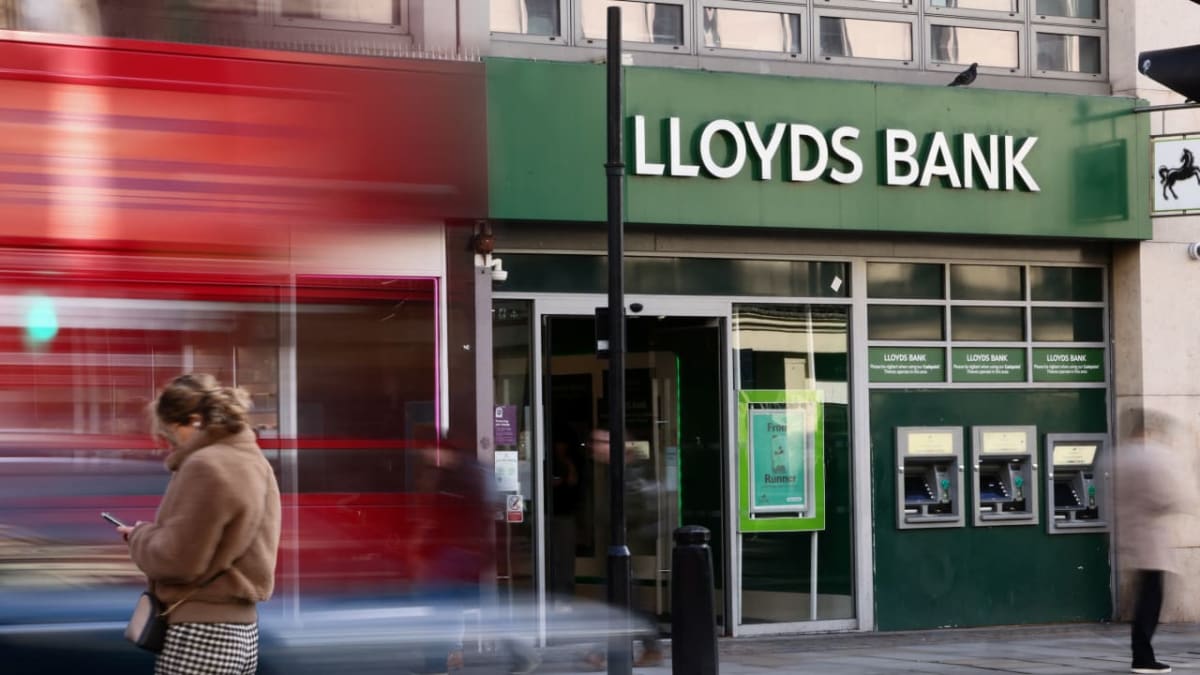
This scenario shifted from a theoretical nightmare into a harsh reality for the mother of Leona Kamio, a jailed activist associated with the protest group Palestine Action. Major UK lender Lloyds reportedly rejected her mortgage application, explicitly pointing to “adverse media” connected to her daughter’s criminal conviction. The incident has sent ripples through both the personal finance community and civil liberties circles, sparking a critical debate about financial exclusion, automated risk profiling, and the creeping reach of ‘guilt by association’ in modern consumer lending.
The Core Case: How News Coverage Derailed a Home Loan
According to reports, the applicant fulfilled conventional lending prerequisites, yet her application faltered during non-traditional underwriting checks. Lloyds turned down the mortgage bid after automated and manual compliance screening flagged negative press coverage—formally termed “adverse media”—surrounding her daughter, Leona Kamio.
Kamio is currently serving a prison sentence for her activities with Palestine Action, a direct-action network targeting defense and aerospace facilities. While Kamio was legally processed and sentenced through the judicial system, her mother played no role in those acts. Nevertheless, the reputational fallout crossed generational lines, demonstrating how deeply institutional risk algorithms now peer into the personal spheres of retail banking customers.
Understanding ‘Adverse Media’ Screening in Banking
To understand how this happens, one must look under the hood of contemporary compliance technology. Banks and mortgage providers operate under stringent anti-money laundering (AML) and counter-terrorist financing (CTF) frameworks mandated by global regulators. To protect themselves from massive regulatory fines, financial institutions employ sophisticated risk-intelligence platforms such as LexisNexis, Refinitiv World-Check, and Dow Jones Risk & Compliance.
These screening engines continuously scan hundreds of thousands of public sources worldwide, including:
- Mainstream news outlets and local media reports.
- Court dockets, sentencing records, and regulatory enforcement lists.
- Lists of Politically Exposed Persons (PEPs) and their immediate family members or known close associates.
- Sanctions databases and government watchlists.
When an algorithm flags a name or a close associative link to an individual involved in high-profile criminal matters or controversial activism, it triggers an “adverse media” alert. Historically, this level of forensic scrutiny was reserved for ultra-high-net-worth wealth management, corporate accounts, or political figures. Today, high-volume automated tools have migrated downstream into everyday consumer products like personal checking accounts and residential mortgages.
The Growing Issue of Financial Collateral Damage
The refusal of credit to a family member raises troubling ethical questions regarding personal sovereignty and systemic over-compliance. In standard legal jurisprudence, culpability remains strictly individual: parents are not held criminally or civilly liable for the conscious choices of their adult offspring.
However, retail financial institutions enjoy broad contractual discretion over who they choose to do business with. When risk departments evaluate “reputational risk,” they often choose the path of least resistance. Denying an everyday applicant costs a bank very little, while underwriting a borrower connected to polarized public protests or activist convictions is viewed internally as an uncompensated corporate liability.
The human cost of this risk-averse stance is profound. Housing stability is a foundational pillar of psychological well-being, personal safety, and long-term wealth creation. When families of controversial figures find themselves locked out of basic financial infrastructure, they suffer a modern form of financial ostracization that operates outside the transparency of the formal court system.
The Broadening Wave of Modern ‘De-Banking’
This mortgage rejection arrives amidst growing public unease over financial exclusion and unilateral account closures, often referred to as “de-banking.” Regulators in the UK and worldwide have faced mounting calls to examine how banks balance legal risk prevention against basic consumer rights.
When regulatory definitions around political activism, national security, and risk exposure remain fluid, consumer-facing institutions tend to err on the side of aggressive caution. As a result, individuals whose only connection to a controversy is shared blood or an address can find basic financial operations—from securing a fixed-rate mortgage to opening a checking account—suddenly compromised.
What to Do If You Encounter Unfair Adverse Screening
If you or someone you know faces an unexpected mortgage refusal or sudden account restriction stemming from reputational or automated screening, proactive steps can help resolve or mitigate the damage:
- Request a Formal Written Explanation: Lenders often provide generic rejection notices. Ask for a specific, itemized written explanation outlining the precise data points that triggered the adverse decision.
- Submit a Subject Access Request (SAR): Under data protection legislation (such as GDPR in the UK and EU), you have the right to request all personal data an organization holds on you, including internal compliance notes, third-party database reports, and risk ratings.
- Audit Third-Party Intelligence Databases: If your name appears inaccurately or as a secondary associative link on intelligence databases like World-Check, you have the right to petition those database providers directly for data correction or delisting.
- Work with Independent Mortgage Brokers: High-street retail banks rely heavily on rigid automated screening scorecards. Independent mortgage brokers have direct access to specialized or regional lenders who employ human underwriters capable of evaluating personal circumstances without automated bias.
- Escalate to the Ombudsman: If a financial institution exercises unreasonable discrimination or relies on inaccurate associative data, lodge a formal dispute with the relevant regulatory ombudsman service.
Key Takeaways
- Indirect Exposure: The rejection of a mortgage application for the mother of jailed Palestine Action member Leona Kamio underscores that family associations can trigger financial barriers under “adverse media” policies.
- Automated Risk Tools: Banks increasingly utilize third-party compliance software that monitors public media and links family members, treating public controversy as a corporate reputational risk.
- Accountability Gaps: While criminal justice systems evaluate individual guilt, consumer financial underwriting often relies on associative profiles that penalize blameless relatives.
- Consumer Rights Matter: Borrowers facing reputational flags must exercise their rights to data transparency, challenge unfair automated decisions, and explore non-standard lending alternatives.
As the boundary between private life and public data continues to blur, the tools designed to catch financial criminals must not be allowed to quietly strip law-abiding individuals of their right to a home. The case of Lloyds and the Kamio family is a sobering reminder that financial wellness in the digital age requires not just good credit, but vigilant consumer protection against unchecked algorithmic profiling.
Source Attribution: Article content originally reported by JERUSALEM POST STAFF. Read original story coverage on JERUSALEM POST STAFF →

Elena Rostova
WelloraDaily Editorial Team