McBee Dynasty Star Reunited with Family After Prison Release: Navigating the Emotional Path to Rebuilding at 53
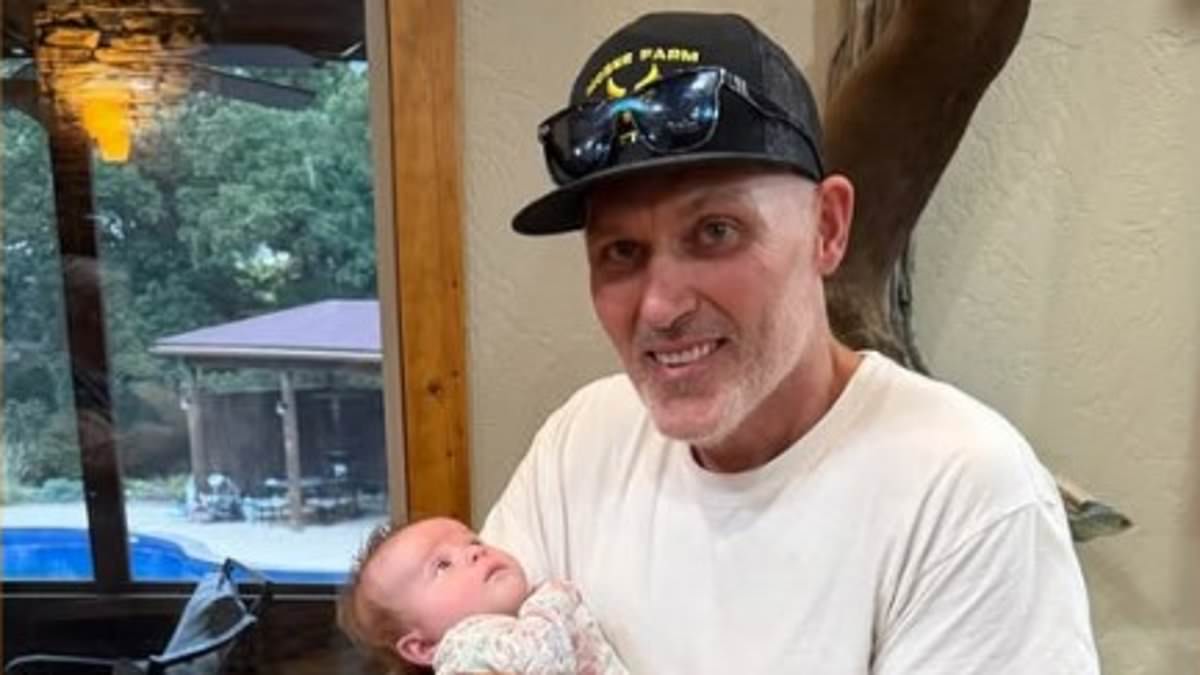
What happens when the bright lights of reality television fade, leaving behind the sobering reality of personal crisis, legal accountability, and separation from loved ones? For fans of Bravo and followers of family-centered docudramas, watching real-world adversity unfold on screen can feel dramatic, but behind the headlines lies an intensely human experience. The 53-year-old star of The McBee Dynasty and father of four has officially been released from federal prison, reuniting with his family after serving less than a year of his original two-year sentence following a guilty plea to federal crop insurance fraud.
While legal proceedings and early releases frequently make news cycles, the deeper story centers on what comes next: the intricate emotional transition back into family life, the mental resilience required to rebuild after public reckoning, and the physical toll that acute stress takes on the human body. Returning home is rarely a simple push of a reset button. Instead, it marks the beginning of an intentional, often vulnerable journey toward personal restoration and familial healing.
The Weight of Public Scrutiny and Accountability
Facing legal consequences under the public gaze introduces a unique layer of psychological pressure. Pleading guilty to federal charges, stepping away from an expansive enterprise, and confronting the reality of incarceration tests personal fortitude to its core. In high-stakes environments—whether managing vast agricultural operations or navigating the scrutiny of reality television—individuals often develop an external armor of control and self-reliance.
When that control is stripped away, the psychological shift can be jarring. Admitting fault and serving time demands an honest confrontation with oneself. In wellness psychology, this phase is often recognized as the catalyst for profound growth: breaking down defense mechanisms and acknowledging fallibility is frequently the only way genuine renewal can take root.
Reintegration and the Complex Dynamics of Family Reunification
For a father of four, stepping back into the home after time away involves much more than a celebratory welcome. Prolonged separation naturally disrupts the rhythm of a household. While an individual is away, those left behind must adapt, taking on new responsibilities, managing emotional grief, and navigating public reactions alone.
Reintegration requires patience, humility, and conscious communication. Family systems therapists frequently note that reunited families must navigate several critical stages:
- Managing Unspoken Expectations: Reunited family members often envision an instant return to normalcy, yet readjustment usually takes deliberate time and emotional recalibration.
- Redistributing Roles and Responsibilities: Household dynamics naturally shift during an absence; returning leaders must learn to reintegrate without immediately overriding the systems established while they were away.
- Addressing Hidden Emotional Residue: Relief and joy frequently coexist with lingering stress, unspoken fears, and processing past disruptions. Transparent, non-defensive conversations are vital.
Midlife Transitions: The Health and Mental Impact of Rebuilding at 53
Experiencing a major life disruption in one's early fifties carries specific physiological and emotional considerations. At 53, the human body and mind respond differently to chronic stress than in early adulthood. Chronic autonomic activation—often triggered by prolonged legal battles, confinement, and public stigma—elevates cortisol levels, compromises cardiovascular health, disrupts sleep architecture, and taxes the immune system.
Moreover, midlife is traditionally a period associated with legacy, stability, and mentoring the next generation. Facing a public fall from grace at this stage can precipitate an identity crisis. However, developmental psychologists point out that midlife also offers distinct advantages for recovery: accumulated life experience, established values, and a clearer perspective on what truly matters can fuel a resilient, grounded second chapter.
The Physiological Toll of Incarceration: Resetting the Nervous System
Even when a sentence is shortened, living in a correctional facility places the nervous system into a chronic state of hypervigilance. The lack of autonomy, constant ambient noise, rigid schedules, and environmental stress keep the sympathetic nervous system on high alert. Returning to a quiet home setting can surprisingly induce sensory overload or restlessness as the body struggles to downregulate.
Restoring equilibrium requires intentional mind-body wellness practices. Prioritizing circadian rhythm repair through morning sunlight exposure, re-establishing steady nutritional patterns, engaging in restorative physical movement, and creating low-stimulation environments are essential first steps in coaxing the autonomic nervous system back into a restful, parasympathetic state.
Practical Steps for Navigating High-Stress Family Rebounds
While few families navigate the exact pressures of reality television and federal sentencing, millions experience major disruptions—from financial upheaval and legal hurdles to sudden illness or career collapse. The principles for recovering emotional harmony remain universal:
- Establish Grounded Daily Routines: Predictable daily rhythms—such as shared meals, regular sleep schedules, and quiet reflection—provide a sense of psychological safety during chaotic times.
- Prioritize Emotional Honesty Over Image: True healing begins when individuals stop managing external perceptions and start focusing on genuine internal accountability and family dialogue.
- Seek Structured Support: Navigating complex transitions often benefits from objective guidance, whether through family counseling, executive coaching, or dedicated mental health support.
- Focus on Gradual Rebuilding: Trust, personal reputation, and peace of mind are not restored overnight; they are reconstructed through consistent, daily demonstrations of integrity and presence.
Key Takeaways: Moving Forward with Resilience
The release of the McBee patriarch marks the close of one difficult chapter and the beginning of another focused on rehabilitation, accountability, and reconnection. True resilience is rarely about avoiding hardship altogether; rather, it is reflected in how an individual chooses to show up after facing significant adversity.
As this family of four works through the quiet, unscripted moments of rebuilding their lives together, their journey serves as a poignant reminder that personal growth, family reconciliation, and a healthier perspective on life are always possible—no matter how steep the climb back may seem.
Source Attribution: Article content originally reported by Jennifer Pearson. Read original story coverage on Jennifer Pearson →

Elena Rostova
WelloraDaily Editorial Team