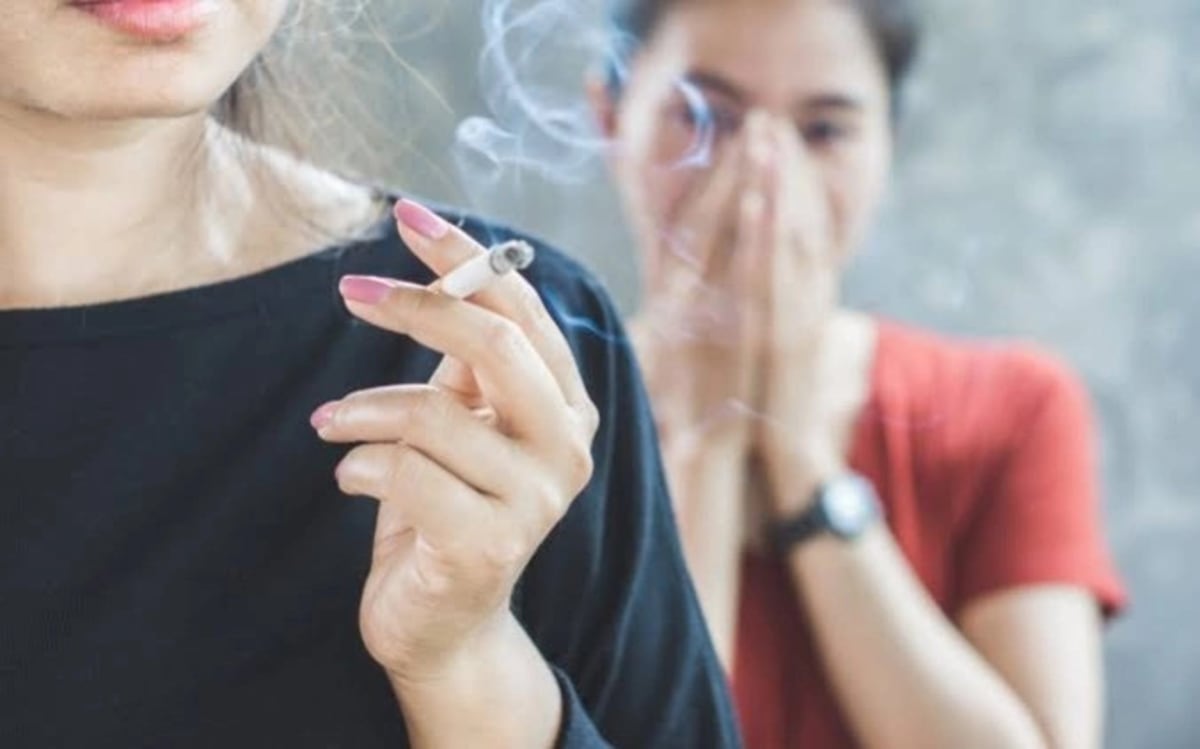
The Invisible Hazard: 2.7 Billion People Exposed to Secondhand Smoke Worldwide
Imagine stepping into a sunlit room, inhaling deeply, and unknowingly breathing in a cocktail of over seven thousand chemicals, hundreds of which are toxic and dozens known to cause cancer. For billions across the globe, this is not an occasional inconvenience—it is an inescapable daily reality. A sobering public health assessment has revealed that secondhand smoke currently jeopardizes the health of an estimated 2.7 billion people globally, including a staggering 767 million children.
These figures represent far more than dry epidemiology. They underscore a pervasive, borderless health crisis that penetrates living rooms, shared family courtyards, public transit hubs, and workplaces. While global tobacco control initiatives have made steady progress in curbing smoking prevalence over the past two decades, passive smoking remains an under-addressed environmental hazard with profound lifelong implications.
The Staggering Scale: Why 767 Million Children Are at Risk
Among the most alarming aspects of this data is the sheer proportion of pediatric exposure. Children do not choose the environments they inhabit, nor can they advocate effectively for their own respiratory safety. Biologically, children are markedly more vulnerable to airborne toxins than adults.
Because their respiratory rates are significantly faster, infants and young children inhale larger volumes of air per pound of body weight compared to adults. Their organs and immune defenses are also still developing, meaning their bodies struggle to neutralize toxic compounds such as benzene, hydrogen cyanide, carbon monoxide, and tobacco-specific nitrosamines. In pediatric populations, regular exposure to secondhand smoke is directly linked to:
- Severe Respiratory Infections: Increased rates and heightened severity of bronchitis, bronchiolitis, and pneumonia during early childhood.
- Persistent Asthma Complications: More frequent and debilitating asthma attacks, leading to elevated emergency department visits and reduced lung capacity.
- Middle Ear Disease: Recurrent ear infections (otitis media) caused by inflammation and blockage of the Eustachian tubes, occasionally leading to hearing loss.
- Sudden Infant Death Syndrome (SIDS): Substantially elevated risks for unexplained infant mortality in homes where indoor smoking is practiced.
Regional Dynamics: The Struggle Across Central Asia
While secondhand smoke is an international dilemma, its impact is experienced with acute intensity in transitional economies and developing nations. In Central Asian republics—including Kazakhstan, Kyrgyzstan, Tajikistan, Turkmenistan, and Uzbekistan—public health officials and medical researchers face a complex battle against tobacco exposure.
Across these nations, historical consumption habits, economic factors, and cultural norms around hospitality and domestic gatherings often blur the boundaries between outdoor smoking and shared indoor spaces. While countries such as Turkmenistan have instituted strict administrative curbs and aggressive anti-tobacco legislation, enforcement hurdles and cross-border illicit trade persist across parts of the region.
In Kazakhstan and Uzbekistan, progressive municipal indoor smoking bans have gained ground in urban hospitality sectors, yet domestic exposure remains stubbornly high. During harsh winter months across Kazakhstan, Kyrgyzstan, and Tajikistan, homes and apartments are tightly sealed against the cold, trapping toxic particulate matter indoors and drastically magnifying the concentration of secondhand smoke inhaled by residing family members.
The Biological Mechanics: How Passive Smoke Damages the Body
Secondhand smoke—technically classified as environmental tobacco smoke (ETS)—is a combination of two forms of emissions: mainstream smoke exhaled by the active smoker, and sidestream smoke emitted directly from the burning tip of the cigarette, pipe, or cigar. Astonishingly, sidestream smoke contains higher concentrations of certain carcinogens and smaller particulate matter (PM2.5) than mainstream smoke because it burns at lower temperatures and without passing through a filter.
Once inhaled by a non-smoker, these micro-particles bypass upper airway defenses and embed themselves deep within the pulmonary alveoli. Within mere minutes of exposure:
- Vascular Endothelium Suffers: The delicate lining of blood vessels loses elasticity, impairing normal vasodilation and provoking acute arterial stiffness.
- Platelet Aggregation Spikes: Blood platelets become stickier, facilitating rapid clot formation and significantly raising the immediate risk of heart attacks and strokes.
- Oxidative Stress Cascades: Free radicals overwhelm natural antioxidant reserves, triggering systemic low-grade inflammation that damages cellular DNA over time.
Understanding Thirdhand Smoke: The Persistent Indoor Residue
Health authorities are also drawing urgent attention to an insidious offshoot known as thirdhand smoke. Even after a lit cigarette is extinguished and the visible haze dissipates, toxic residue clings tenaciously to clothing, furniture fabrics, drywall, carpets, and automobile upholstery.
Over weeks and months, these trapped residues undergo chemical transformations, reacting with common indoor air pollutants such as ozone and nitrous acid to form secondary, potent carcinogens. Toddlers crawling on carpets and mouthing household surfaces encounter these dangerous chemical residues at high concentrations, proving that simply opening a window or smoking in another room does not neutralize the danger.
Practical Steps to Protect Your Home and Loved Ones
Eradicating secondhand smoke requires both structural policy changes and deliberate domestic boundaries. To build a protective shield around non-smokers—particularly children and vulnerable older adults—health experts recommend several proactive steps:
- Establish a Total Zero-Tolerance Home Policy: Never permit smoking inside your residence under any circumstances. Opening windows or turning on fans does not eliminate toxic particulate matter.
- Keep Personal Vehicles 100% Smoke-Free: The confined volume of an automobile concentrates tobacco particulates to levels many times higher than those found in smoky bars or restaurants.
- Set Clear Boundaries with Visitors: Politely but firmly request that guests step entirely outside the perimeter of the home before using any tobacco or heated tobacco products.
- Advocate for Comprehensive Public Protections: Support community-wide smoke-free ordinances in public parks, multi-unit housing complexes, and outdoor dining venues.
Key Takeaways
The disclosure that 2.7 billion people—including 767 million children—are exposed to secondhand smoke highlights one of the most critical public health imperatives of our era. Clean, unpolluted air is not a luxury; it is a fundamental prerequisite for human longevity and developmental wellness. Whether addressing policy reform in Central Asia or establishing clear rules in our own living rooms, eliminating passive smoke exposure is an essential step toward safeguarding global health for generations to come.
Source Attribution: Article content originally reported by Currents Source. Read original story coverage on Currents Source →

Elena Rostova
WelloraDaily Editorial Team