When Retirement Becomes a Second Act of Parenting: The Reality of Grandparents Raising Grandchildren
Picture what retirement is supposed to look like: quiet mornings with a fresh cup of coffee, spontaneous road trips, and the sweet luxury of spoiling your grandchildren before handing them back to their parents at the end of the day. For generations, this was the unspoken social contract of the golden years. You work for decades, raise your own children, and finally earn the freedom to live life entirely on your own schedule.
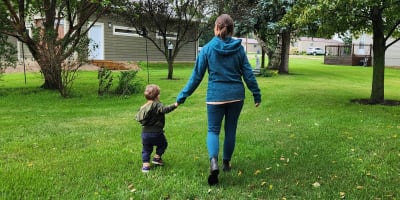
Yet for an increasing number of older adults, that peaceful chapter is being rewritten. Instead of downsizing and resting, seniors across the country are stepping back into the demanding, full-time world of parenting.
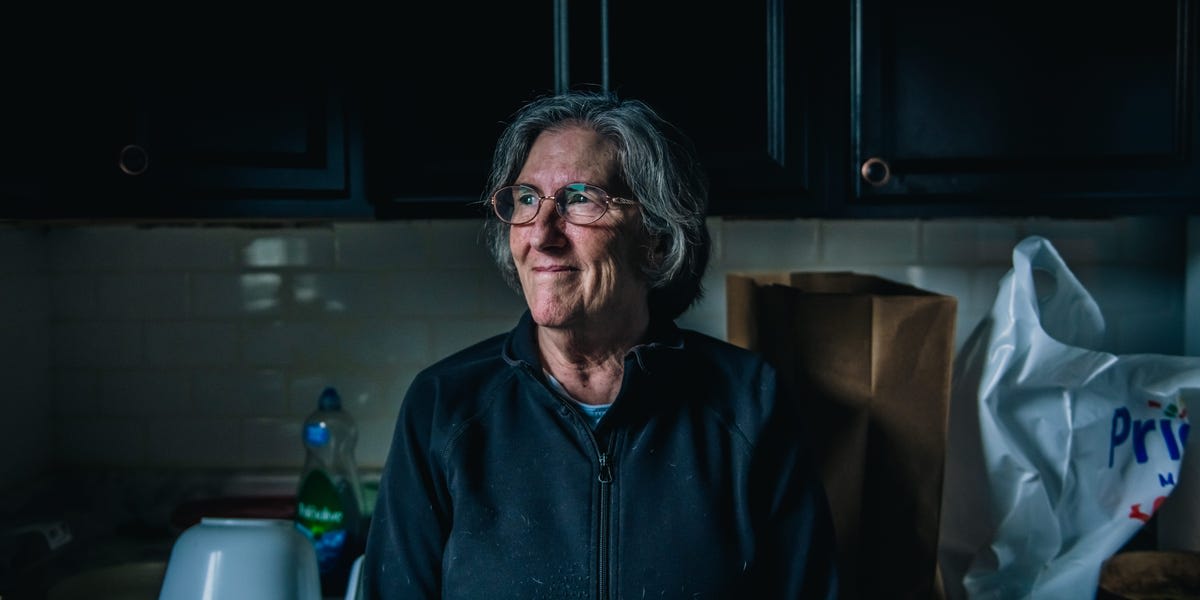
Take Joann Ernst, for example. At 72 years old—a time when most people are either comfortably retired or actively planning their exit from the workforce—she found herself making a profound choice. Rather than spending her seventies relaxing, Ernst has had to delay her retirement, continuing to clock into work and direct her hard-earned income toward supporting her family and raising her grandchildren. Her story is one of boundless dedication, but it also shines a bright light on a growing, often invisible trend that carries significant emotional, physical, and financial consequences.
The Growing Reality of 'Grandfamilies'
Joann Ernst is far from alone. Millions of households nationwide are now structured as "grandfamilies" or kinship networks, where grandparents serve as primary caregivers for their grandchildren. This shift rarely happens under ideal circumstances; more often, it is a rapid response to unexpected family crises, including economic hardship, chronic illness, mental health struggles, or parental absence.
When these emergencies arise, grandparents frequently step up without hesitation. Their devotion keeps children out of the foster care system and anchors them in loving, familiar environments. Yet, stepping into the role of primary caregiver at age 70 or beyond requires an extraordinary recalibration of daily life.
Instead of scheduling leisure activities, caregiving grandparents find themselves navigating school drop-off lanes, pediatric appointments, and modern homework curriculums. The quiet rhythm of late adulthood is suddenly replaced by the high-energy demands of childhood.
The Compounding Financial Strain on Seniors
One of the most immediate shocks of late-life parenting is the financial burden. Retirement planning is traditionally designed around fixed incomes, drawdown strategies, and decreasing daily expenses. Adding children into that financial equation fundamentally alters the math.
For grandparents like Ernst, staying employed becomes a necessity rather than an option. The modern cost of raising children—from everyday groceries and seasonal clothing to healthcare copays, extracurricular activities, and school supplies—can quickly deplete savings designed to last through quiet retirement years.
- Depleted Nest Eggs: Funds originally earmarked for long-term health needs or eldercare are often redirected to immediate family necessities.
- Extended Working Years: Grandparents frequently postpone retirement or re-enter the workforce, balancing the physical demands of labor with the exhausting work of home care.
- Limited Safety Nets: Many kinship caregivers take custody informally, meaning they may miss out on state foster care subsidies or formal financial benefits designed to assist guardians.
This dynamic creates a precarious tightrope walk. Seniors risk sacrificing their own future stability to ensure their grandchildren have a secure present.
The Physical and Emotional Impact of Second-Round Parenting
Beyond the ledger books, the toll on wellness is profound. Parenting is physically demanding at age 30; at 70, it presents entirely different physiological realities. Broken sleep, lifting young children, and constant vigilance can worsen pre-existing chronic conditions such as arthritis, hypertension, or heart disease.
Furthermore, the emotional complexity cannot be overstated. Grandparents often navigate a delicate storm of emotions:
- Grief and Relief: Mourning the loss of their anticipated retirement freedom, while simultaneously feeling gratitude that their grandchildren are safe in their care.
- Social Isolation: Many seniors find themselves disconnected from peers who are traveling, golfing, or enjoying newfound hobbies, leaving them feeling alienated from traditional social circles.
- Generational Stress: Bridging the cultural and technological gap with young children can feel overwhelming, especially while managing family dynamics and interpersonal trauma.
Yet, despite the hardship, there is a powerful positive dimension. Many caregiving grandparents report a profound sense of purpose, deep joy in witnessing their grandchildren thrive, and a vibrant mental sharpness that comes from remaining actively engaged with the world.
Practical Strategies for Kinship Caregivers
If you or someone you love is navigating the unexpected journey of raising grandchildren later in life, proactive support is essential. The following strategies can help protect both personal wellness and long-term security:
1. Explore Formal Kinship Resources
Never hesitate to seek out community and governmental support. Look into local Kinship Navigator programs, which connect relative caregivers with available resources. Depending on income and legal custody status, families may qualify for programs like Temporary Assistance for Needy Families (TANF), the Supplemental Nutrition Assistance Program (SNAP), or specialized childcare subsidies.
2. Protect Your Health as Priority One
You cannot pour from an empty cup. It is common for caregiving grandparents to skip their own doctor visits, medication schedules, or screenings to focus on the children. Make preventative care non-negotiable. Establishing a reliable support network—whether through local faith communities, family friends, or respite care services—can give you the essential hours needed to rest, exercise, and recharge.
3. Establish Clear Household Boundaries
Parenting as a senior requires sustainable pacing. Be transparent with children and teens about your energy levels and physical limits. Involve them in age-appropriate household chores and routines early on. Clear structure not only fosters responsibility in children, but it also prevents caregiver burnout.
4. Connect with Peer Support Groups
Isolation can feel like a heavy weight. Joining a support group specifically tailored for grandparents raising grandchildren provides a safe space to share resources, vent frustrations, and exchange advice with individuals who truly understand your daily challenges.
Key Takeaways
- A Significant Shift: Grandparents like Joann Ernst represent a growing segment of seniors who delay retirement to provide critical kinship care.
- Financial Pressures: Raising children on a fixed or nearing-retirement income requires proactive budgeting, exploration of state aid, and often extended employment.
- Health Considerations: Balancing personal aging with active childcare demands strict attention to personal wellness, mental health, and caregiver respite.
- A Legacy of Resilience: While physically and financially taxing, kinship parenting provides vulnerable children with stability, security, and lifelong family bonds.
Looking Forward with Compassion and Support
The story of Joann Ernst is a moving testament to family devotion, but it is also a reminder that our social systems must adapt to modern family structures. Grandparents stepping in to bridge generational gaps perform essential, heroic work every single day.
As these demographic shifts continue, recognizing, validating, and supporting kinship caregivers is not just a family matter—it is a vital public health and community priority. By offering accessible resources and community empathy, we can ensure that seniors raising the next generation do not have to carry the load entirely on their own.
Source Attribution: Article content originally reported by Noah Sheidlower. Read original story coverage on Noah Sheidlower →

Elena Rostova
WelloraDaily Editorial Team