From Conflict to Sanctuary: How Arranmore Island Became a Healing Haven for a Ukrainian Toddler Known as 'Little Star'
What does it truly take to rebuild a sense of safety after life is upended by war? For many of us seeking wellness in our daily routines, peace is often framed through mindfulness apps, morning rituals, or quiet walks. But for families fleeing active conflict, the journey toward nervous system regulation and holistic healing begins with something far more elemental: finding a safe harbor where community and landscape converge to restore the human spirit.
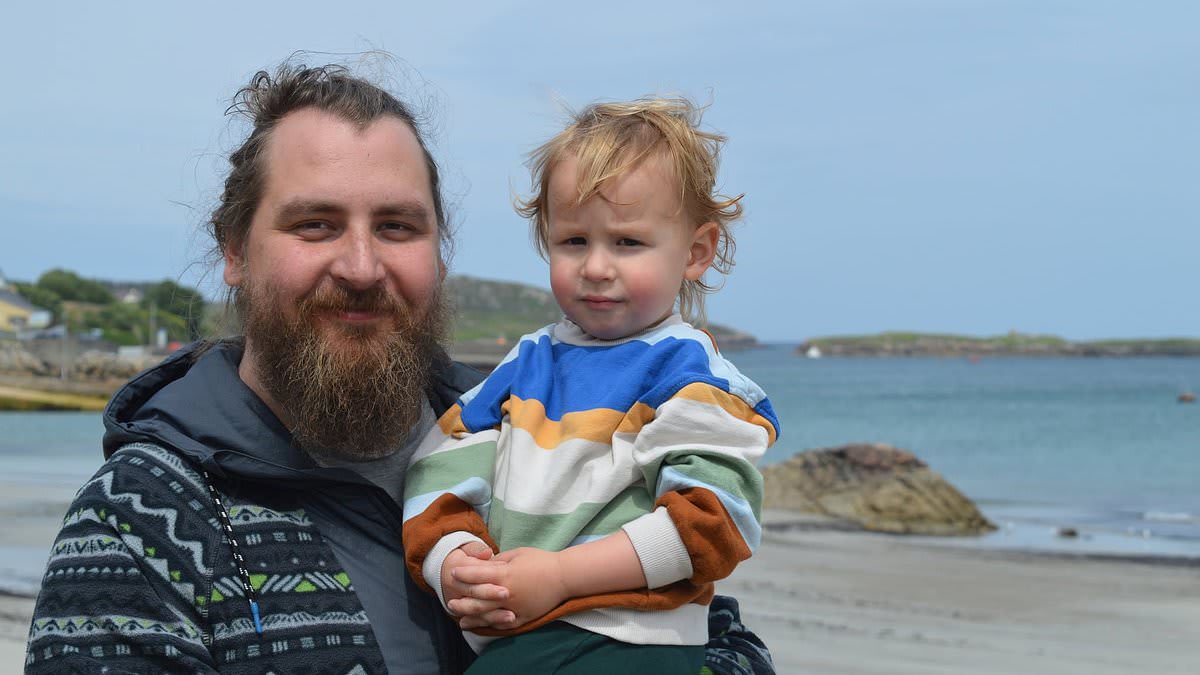
Off the wild, windswept coast of County Donegal in Ireland lies Arranmore Island. In this rugged Atlantic haven, dozens of displaced Ukrainian families have found not only shelter, but genuine belonging. At the very center of this extraordinary cultural embrace is a bright-eyed toddler named Marvin, affectionately christened "Little Star" by smitten island locals. His family's journey reveals profound lessons about human resilience, childhood neuroplasticity, and the transformative power of close-knit communities.
A Remote Sanctuary on the Edge of the Atlantic
Arranmore is an island defined by dramatic sea cliffs, salt air, and a proud, Gaelic-speaking community (Gaeltacht). For decades, like many remote rural regions across Europe, the island faced the creeping challenges of depopulation as younger generations migrated to urban centers. Yet when geopolitical catastrophe struck Eastern Europe, Arranmore opened its doors, welcoming dozens of Ukrainian refugees into the fold of island life.
For Marvin's family, the transition from the fear and uncertainty of wartime displacement to the quiet rhythm of an Atlantic island was immense. Psychologists who specialize in trauma recovery frequently note that natural landscapes play a pivotal role in downregulating the sympathetic nervous system. Away from sirens and devastation, the rhythmic crash of ocean waves, expansive green horizons, and clean coastal air provide an environment where hyper-vigilance can gradually give way to peace.
The Psychology of Belonging: Becoming 'Little Star'
It did not take long for Marvin to capture the hearts of the residents. Dubbed "Little Star" by islanders who watched him take his first steady steps on island soil, Marvin represents more than just a sweet neighborhood presence. In the literature of community psychology, children often serve as natural social bridges, dissolving cultural barriers and fostering collective empathy.
When a community actively wraps its arms around a child, the protective mental health benefits extend across the entire family unit:
- Alleviation of Chronic Stress: Knowing that neighbors are watching out for one's children provides parents with a profound sense of psychological relief, lowering cortisol levels that are chronically elevated during displacement.
- Counteracting Isolation: Loneliness is considered as detrimental to physical health as smoking or sedentary living. By embracing newcomers, rural communities mitigate the profound isolation that typically plagues refugees.
- Fostering Reciprocal Purpose: Welcoming new residents reinvigorates long-term residents, instilling a shared sense of purpose and cross-cultural vitality.
A Linguistic Marvel: Speaking Irish 'Better Than English'
Perhaps one of the most astonishing dimensions of Marvin and his siblings' integration is their linguistic journey. On Arranmore, the native Irish language (Gaeilge) remains an intrinsic part of daily discourse and heritage. To the delight and amazement of locals, Marvin and his siblings have taken to the language with astonishing fluency, now speaking Irish even better than English.
This linguistic adaptation highlights the extraordinary plasticity of the early childhood brain. When exposed to an immersive, emotionally supportive environment, young minds absorb complex phonetic patterns and grammatical structures effortlessly through play, song, and everyday interaction. For Marvin's older siblings attending the local island school, mastering Irish is not an academic chore; it is the currency of childhood friendship and play.
Why Childhood Language Immersion Builds Resilience
Acquiring a regional language offers distinct cognitive and emotional advantages for children adapting to a new country:
- Cognitive Flexibility: Bilingual and multilingual children develop superior executive functioning, enhanced problem-solving skills, and greater emotional adaptability.
- Cultural Rootedness: Adopting the native tongue provides children with an immediate feeling of insider status, dramatically reducing feelings of alienation or otherness.
- Honoring Heritage: By mastering Gaeilge while preserving their Ukrainian heritage, these children build rich, multi-layered identities grounded in mutual respect and cultural appreciation.
What Arranmore Teaches Us About Community Wellness
The story of Little Star and his family offers far-reaching takeaways that extend well beyond the shores of Ireland. In an era marked by rapid globalization and increasing social fragmentation, Arranmore's response reminds us that the true bedrock of human well-being lies in community solidarity and mutual care.
Key Takeaways for Cultivating Inclusive, Healing Environments
- Small-Scale Connections Matter Most: Huge systemic policies provide safety, but day-to-day interactions—a friendly wave, an affectionate nickname, a shared cup of tea—are what truly restore psychological equilibrium.
- Nature Is an Active Co-Healer: Open, untamed environments provide vital space for children and adults alike to release accumulated stress and reconnect with the present moment.
- Embrace Mutual Enrichment: Integration is not a one-way street of assimilation. It is an exchange where both hosts and newcomers learn from each other, revitalize shared spaces, and build enduring bonds.
As Marvin runs across the green fields of Arranmore, chattering in fluent Irish and answering to the affectionate moniker of "Little Star," he embodies the profound resilience of the human heart. When compassion and community come together, even the deepest wounds of war can begin to heal in the light of newfound sanctuary.
Source Attribution: Article content originally reported by Colm Mcguirk. Read original story coverage on Colm Mcguirk →

Elena Rostova
WelloraDaily Editorial Team