Starting Over at 61: The Hidden Emotional, Physical, and Financial Realities of Grandparents Raising Grandchildren
When Retirement Becomes a Second Round of Parenthood
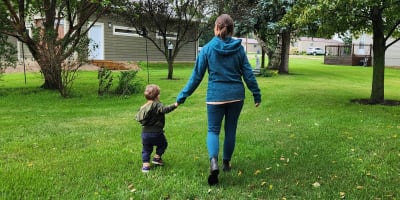
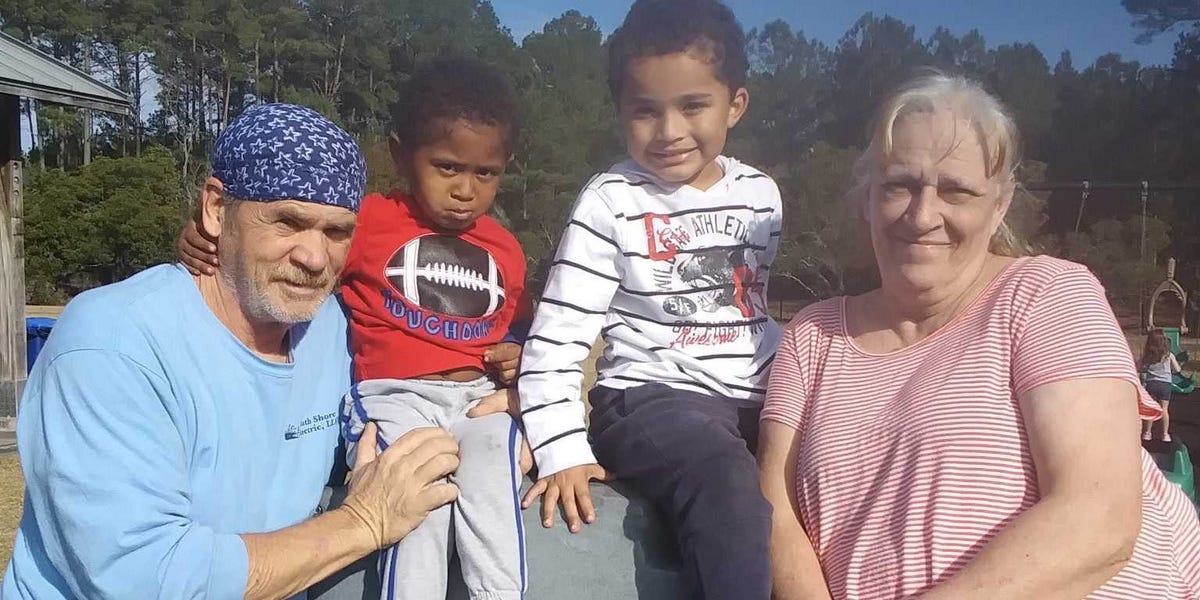
Imagine reaching your early sixties, having successfully guided three children into adulthood, and finally envisioning a quiet chapter of rest, personal hobbies, and financial stability. Then, life pivots overnight. For 61-year-old Kathy Davidson from North Carolina, that quiet horizon was replaced with school supply runs, homework battles, and the relentless daily energy required to raise two young grandsons, ages 8 and 11.
Kathy’s story is deeply moving, but it is far from unique. Across the country, millions of grandparents are stepping into the breach to become primary caregivers for their grandchildren—a family structure sociologists and healthcare advocates call kinship care or grandfamilies. While driven by boundless love and fierce family loyalty, this profound transition often carries an invisible, heavy toll on an older adult's physical health, mental well-being, and financial security.
The Growing Kinship Care Landscape
According to census data and child welfare advocacy groups like Generations United, more than 2.5 million grandparents in the United States are currently responsible for the basic needs of their grandchildren. The reasons behind these sudden custody changes frequently stem from systemic crises: parental substance use disorders, mental health challenges, incarceration, economic instability, or bereavement.
When biological parents are unable to provide safe care, grandparents act as the ultimate safety net, preventing vulnerable children from entering the formal foster care system. Research consistently demonstrates that children raised by kin experience greater emotional stability, keep stronger ties to their cultural roots, and encounter fewer behavioral disruptions than those placed with unfamiliar foster families. Yet, the heroes behind this stability often navigate the journey with minimal support.
The Triple Toll: Health, Finances, and Social Isolation
Stepping back into full-time parenting in your sixties is vastly different from parenting in your twenties or thirties. Caregivers in this demographic face distinct stressors that intersect in complex ways:
1. The Physical and Biological Strain
Aging naturally brings gradual shifts in stamina, joint health, sleep architecture, and chronic disease management. Keeping up with energetic elementary-aged boys demands intense physical resilience. Grandparent caregivers frequently report exacerbations of chronic conditions like hypertension, arthritis, and back pain, often because they routinely postpone their own doctor visits and screenings to prioritize the children's pediatric appointments and therapy sessions.
2. The Financial Squeeze
Navigating childhood expenses on a fixed or limited retirement income can be devastating. In Kathy Davidson's household, she manages on approximately $997 a month in dedicated support—a sum that barely scratches the surface when factoring in groceries, growing shoe sizes, school utilities, and extracurricular activities. Many kinship caregivers are forced to delay retirement, dip prematurely into hard-earned pensions, or take on high-interest debt simply to keep food on the table.
3. Emotional Fatigue and Boundary Grief
Grandparents in this position often experience what psychologists call ambiguous loss. They are grieving the traditional grandparent role—the fun, spoil-and-return dynamic—while simultaneously mourning whatever crisis befell their own adult child. Coupled with the social isolation that comes from drifting away from peers who are enjoying cruise vacations and empty-nest freedom, the emotional burden can become crushing without robust mental health interventions.
Crucial Wellness Strategies for Grandparent Caregivers
If you or someone you love is navigating the intense demands of raising grandchildren later in life, protecting personal wellness is not a luxury—it is an absolute necessity for the entire household. Here are evidence-backed strategies to sustain health and equilibrium:
- Establish Non-Negotiable Micro-Rest Windows: You may not have hours of free time, but carving out 15 to 20 minutes each morning or evening for intentional breathwork, reading, or quiet reflection helps reset the nervous system and lower chronic cortisol spikes.
- Engage Local Kinship Navigator Programs: Almost every state has funded Kinship Navigator initiatives designed to connect grandfamilies with legal assistance, supplemental food assistance (SNAP), Medicaid coverage for the children, and respite care subsidies.
- Never Skip Preventative Screenings: Reframe personal healthcare as an act of caregiving. Keeping up with your regular blood pressure checks, mammograms, colonoscopies, and vaccinations ensures you remain healthy enough to be there for your grandchildren long-term.
- Find Peer Support Groups: Connecting with other older adults walking the exact same path provides profound validation. Groups through local senior centers, Area Agencies on Aging (AAA), or online forums help dispel the feeling that you are navigating this journey alone.
- Set Firm, Age-Appropriate Boundaries: Grandchildren thrive on clear structure and routine. Involving them in daily age-appropriate chores—such as setting the table, folding laundry, or tidying rooms—instills valuable life skills while taking routine physical pressure off the caregiver.
Reframing the Journey: Resilience and Legacy
Choosing to raise grandchildren is one of the most generous, selfless decisions an individual can make. It demands trading a hard-earned chapter of leisure for early morning alarms, parent-teacher conferences, and constant sacrifice. Yet, as Kathy Davidson and countless grandmothers like her attest, it is also a journey illuminated by profound purpose, laughter, and unconditional love.
As a society, recognizing and expanding structural support for grandfamilies is vital. By giving kinship caregivers the financial parity, mental health resources, and healthcare backing they desperately deserve, we honor their extraordinary sacrifice and ensure the next generation grows up safe, supported, and resilient.
Source Attribution: Article content originally reported by Business Insider. Read original story coverage on Business Insider →

Elena Rostova
WelloraDaily Editorial Team