West Midlands Flu Vaccine Rates Lag: Why Thousands of Children Are at Risk and What Parents Must Know
A Troubling Winter Trend Across the West Midlands
As colder temperatures settle across the UK and families spend more time indoors, health officials in the West Midlands are sounding the alarm over a concerning public health gap. Vaccine uptake rates among children are falling behind target levels, leaving tens of thousands of school pupils and pre-schoolers without essential protection against seasonal influenza.
For many parents, winter illnesses can feel like an inevitable background noise of family life—a revolving door of runny noses, coughs, and missed school days. However, medical experts emphasize that influenza is far more severe than the common cold. When regional vaccination rates drop, the risk of localized outbreaks spikes dramatically, placing immense pressure not only on young bodies but also on local pediatric wards, emergency departments, and vulnerable community members.
Understanding the Importance of the Childhood Flu Vaccine
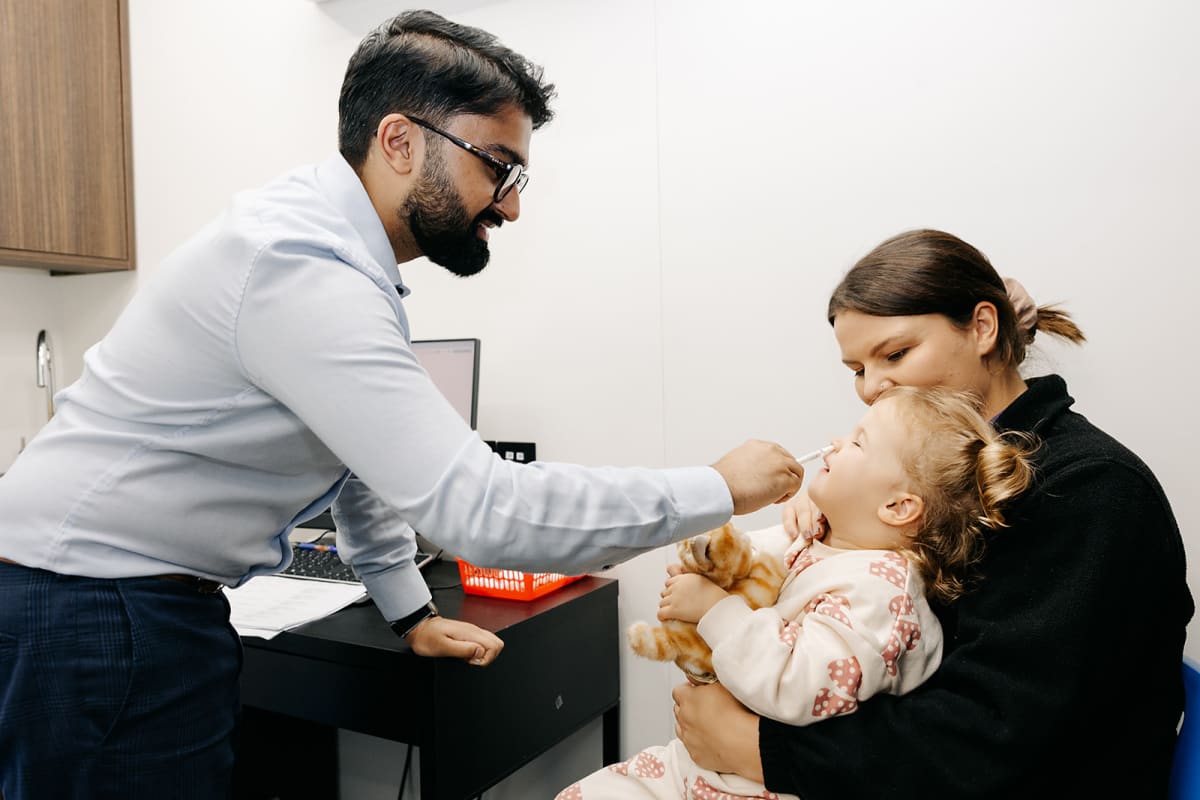
Every autumn and winter, the NHS rolls out its annual flu vaccination programme, specifically targeting young demographics alongside elderly populations. In children aged two to three, as well as those attending primary and secondary schools, the vaccine is typically administered not via a needle, but through a quick, painless nasal spray.
Despite the simplicity of the nasal spray vaccine, coverage across several boroughs in the West Midlands has plateaued or fallen behind national targets. The implications of this gap extend across two crucial fronts:
- Individual Clinical Risk: While healthy children often weather the flu with adequate rest and hydration, the virus can lead to serious, life-threatening complications including acute bronchitis, secondary bacterial pneumonia, painful middle ear infections, and febrile convulsions.
- Community Transmission (The 'Super-Spreader' Effect): Young children are widely recognized as primary drivers of influenza transmission within communities. Their close-contact environments in classrooms, daycare facilities, and playgroups create ideal breeding grounds for respiratory viruses. Unvaccinated children are far more likely to carry the virus home to elderly grandparents, newborn siblings, or family members living with compromised immune systems.
Why Are Vaccine Rates Falling Behind?
Public health professionals point to a complex mix of systemic barriers, lingering pandemic fatigue, and simple scheduling friction to explain why uptake has dipped across the West Midlands.
1. Perception of Risk
One of the most persistent hurdles in pediatric preventative care is the common misconception that influenza is harmless in childhood. Years of mild winters or conflating the flu with mild rhinovirus infections lead many families to believe vaccination is unnecessary unless a child has pre-existing medical conditions like asthma or diabetes.
2. Administrative Hurdles and Consent Forms
In school-aged children, vaccination programmes rely on school immunisation teams, which require signed consent forms from parents or guardians. In busy households, digital consent emails can easily get lost in overflowing inboxes, while paper slips remain forgotten at the bottom of school rucksacks. When administrative deadlines lapse, children miss the school-based clinic days.
3. Dietary and Cultural Concerns
The standard nasal spray vaccine contains small traces of porcine gelatine used as a stabilizing agent. In culturally diverse areas throughout Birmingham, Coventry, and the Black Country, this has occasionally caused hesitation among Muslim and Jewish families, as well as strict vegetarians. However, health services have worked hard to clarify that an alternative, gelatine-free injectable vaccine is readily available upon request through primary care providers.
Spotting the Difference: Seasonal Cold vs. Influenza
Because respiratory viruses circulate simultaneously during the colder months, recognizing the onset of true influenza is vital for early intervention and monitoring. Unlike the gradual onset of a standard head cold, influenza strikes swiftly and intensely.
- Onset: A cold develops slowly over two to three days; flu symptoms appear suddenly within a matter of hours.
- Fever: Flu almost always causes a sudden, high fever (often reaching 38°C / 100.4°F or higher), accompanied by intense shivering and chills. Standard colds rarely induce significant fevers in older children.
- Body Aches and Fatigue: Children suffering from flu experience profound exhaustion, muscle tenderness, and headache, often refusing to leave bed. Cold sufferers generally maintain their usual energy levels despite nasal congestion.
- Respiratory Signs: While a cold features persistent sneezing and a runny nose, flu tends to produce a dry, chesty cough and a sore throat accompanied by generalized weakness.
When to Seek Immediate Medical Help
Most children will recover from the flu within a week to ten days with supportive care, including adequate rest, hydration, and fever-reducing medication such as infant paracetamol or ibuprofen (always following pediatric dosing guidelines). However, parents must stay vigilant for clinical red flags that require urgent evaluation by NHS 111, a GP, or the nearest Emergency Department:
- Rapid breathing, flared nostrils, or visible chest retractions (the skin sucking in around the ribs or collarbone during breathing)
- A persistent high fever that does not come down with medication or lasts longer than five days
- Signs of severe dehydration, such as crying without tears, dry nappies for more than eight hours, or extreme lethargy
- A sudden worsening of symptoms after an initial period of apparent recovery, which can signal a secondary bacterial lung infection
- Bluish or unusually pale lips, tongue, or nail beds
How Parents in the West Midlands Can Catch Up
The good news for parents whose children missed their initial school vaccination session or pre-school appointment is that it is not too late. The flu season in the UK typically peaks between late December and February, meaning immunization administered right now still provides critical protection during the highest-risk weeks of the year.
- For Pre-Schoolers (Aged 2 and 3 on 31 August): Parents can book an appointment directly through their registered GP practice. These are scheduled rapidly and administered by practice nurses.
- For School-Aged Children (Reception to Year 11): If your child missed the in-school vaccination team, regional NHS trusts across the West Midlands operate community catch-up clinics on evenings and weekends. Contact your school’s nursing team or check your local NHS Integrated Care Board (ICB) website for drop-in schedules.
- Alternative Options: If your family prefers an alternative to the porcine-gelatine nasal spray, notify your GP surgery or the school immunisation team so an injectable alternative can be scheduled.
Key Takeaways for Families
Ensuring your child receives their annual flu vaccine is one of the most effective, evidence-backed steps you can take to safeguard your family's health this season. Falling uptake rates in the West Midlands leave thousands vulnerable, but closing the gap is straightforward:
- The pediatric flu vaccine is safe, needle-free for most children, and significantly reduces the risk of severe hospitalisation.
- Vaccinating your child creates a shield of protection around vulnerable relatives, infants, and chronically ill neighbours.
- If your child missed their school clinic, reach out to your GP surgery or local community NHS catch-up sessions without delay.
Source Attribution: Article content originally reported by cotswoldjournal_co_uk. Read original story coverage on cotswoldjournal_co_uk →

Elena Rostova
WelloraDaily Editorial Team