Beyond the Pie: How Humble $2 Rhubarb Supports Cholesterol, Liver Health, and Digestion
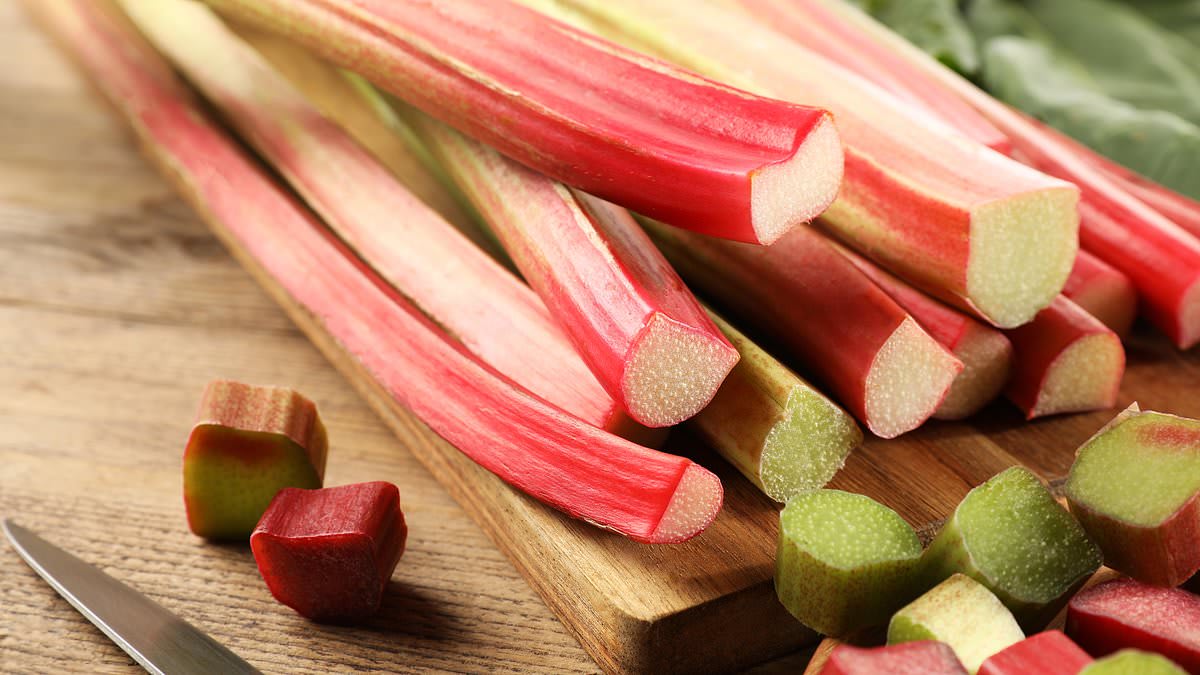
When you spot vibrant crimson stalks of rhubarb tucked away in the produce aisle, your mind likely drifts to warm summer afternoons, buttery pastry crusts, and sweet strawberry-rhubarb crumbles. For generations, this tart vegetable has been relegated almost exclusively to dessert duty, masked beneath cups of granulated sugar. Yet beneath its mouth-puckering bite lies an astonishingly potent, pocketbook-friendly superfood that deserves a regular spot on your dinner table.
Priced at around two dollars a bunch in most grocery stores and farmers markets, rhubarb is one of the most cost-effective botanical allies you can bring into your kitchen. Far from being just a nostalgic pie filling, modern clinical interest and nutritional science suggest that this ruby stalk offers profound protective mechanisms for your cardiovascular system, digestive tract, and liver.
The Cholesterol-Lowering Power of Stalk Fiber
Heart health remains a top concern worldwide, and managing low-density lipoprotein (LDL) cholesterol is often the first line of defense against cardiovascular events. This is precisely where rhubarb excels. The stalk is extraordinarily rich in dietary fiber, particularly soluble fiber fractions such as pectin, which play a direct mechanical role in lipid metabolism.
When you consume soluble fiber, it forms a viscous, gel-like matrix inside your digestive tract. This gel binds to bile acids—compounds synthesized by the liver using circulating cholesterol. As these bound bile acids are eliminated through natural digestion rather than reabsorbed, your liver is prompted to pull surplus LDL cholesterol straight from your bloodstream to manufacture fresh bile. Over time, this natural clearance pathway helps slash circulating cholesterol levels without the adverse side effects often linked to pharmacologic interventions.
Beyond structural fiber, rhubarb stalks boast a dense concentration of polyphenolic compounds, including anthocyanins and proanthocyanidins. These antioxidants neutralize free radicals and help shield blood vessels from oxidative stress, preventing LDL particles from oxidizing—a crucial step in averting the formation of arterial plaque.
Shielding the Liver from Metabolic Stress
Perhaps the most exciting frontier in functional nutrition is how everyday plants influence hepatic function. Non-alcoholic fatty liver changes and chronic hepatic inflammation are on the rise, closely tied to modern diets heavy in refined carbohydrates and industrial fats. Rhubarb offers unique botanical compounds that appear to defend liver cells from these metabolic insults.
Central to this protection are rhubarb's bioactive stilbenes and anthraquinones, notably emodin. Research indicates that these compounds exert distinct hepatoprotective properties by modulating lipid accumulation inside hepatocytes (liver cells). By downregulating specific pathways that govern fat storage and upregulating hepatic antioxidant enzymes, rhubarb helps curb the cellular inflammation that often precedes liver stiffness and fibrosis.
Furthermore, because the liver and the gut exist in a continuous bidirectional dialogue—often termed the gut-liver axis—rhubarb's ability to reduce systemic endotoxins from entering circulation via the portal vein provides immense indirect relief to an overworked liver.
Revitalizing Digestion and Microbiome Harmony
Long before rhubarb was baked into pastries, traditional herbal systems across Asia and Europe prized it as a premier digestive remedy. The vegetable acts as an intelligent tonic for the gut, supporting regular motility while gently soothing irritated mucosal linings.
The natural presence of anthraquinone glycosides gives rhubarb mild, balanced peristaltic properties. Unlike harsh synthetic laxatives, whole culinary rhubarb gently prompts the smooth muscles of the intestines to maintain steady transit time. This prevents stagnation, eases bloating, and ensures metabolic waste products are cleared efficiently.
Simultaneously, the fermentable fibers found in the stalks act as prebiotics. Beneficial gut microbes thrive on these complex carbohydrates, fermenting them into short-chain fatty acids (SCFAs) like butyrate. Butyrate feeds the cells lining your colon, reinforces the gut barrier, and sends anti-inflammatory signals throughout your entire body.
How to Eat Rhubarb Without Mountains of Sugar
The greatest barrier to enjoying rhubarb's health benefits has always been its fierce natural acidity. Historically, cooks solved this by dumping cups of white sugar over it, inadvertently canceling out its metabolic perks. Fortunately, there are far healthier, culinary-forward ways to enjoy this budget powerhouse.
- Savory Roasting: Chop the stalks into bite-sized batons, toss with extra-virgin olive oil, sea salt, cracked black pepper, and fresh rosemary, then roast alongside chicken, pork, or oily fish like mackerel. The rich protein perfectly balances the vegetable's bright acidity.
- Naturally Sweetened Compote: Simmer sliced rhubarb with a splash of fresh orange juice, a cinnamon stick, and a handful of sweet berries or a touch of pure maple syrup. Serve warm over plain Greek yogurt or steel-cut oats.
- Crisp Pickles: Thinly slice raw rhubarb stalks and quick-pickle them in apple cider vinegar, water, mustard seeds, and a pinch of sea salt. Use these crunchy, tangy ribbons to top salads, grain bowls, and tacos.
- Hearty Stews: Persian cuisine has long paired rhubarb with savory herbs, legumes, and lean meats in traditional stews known as khoresh, where its sour profile adds depth similar to lemon juice or tamarind.
An Important Safety Note: Stalks Only
While the stalks are an exceptional wellness food, always exercise caution regarding the leaves. Rhubarb leaves contain extremely high concentrations of oxalic acid and anthraquinone glycosides that are toxic to both humans and household pets. Never consume the leafy greens; slice them off and compost them, eating exclusively the crisp, colorful stalks.
Key Takeaways for Your Weekly Grocery Run
- Budget-Friendly Nutrient Density: At approximately $2 a bunch, rhubarb delivers an elite concentration of fiber, vitamin K, and protective antioxidants without superfood price inflation.
- Dual Action on Cholesterol: Soluble pectin binds bile acids in the gut to reduce LDL levels, while plant pigments defend blood vessels against oxidative injury.
- Liver Support: Natural bioactive compounds work to temper fat accumulation and cellular inflammation within the liver.
- Ditch the Refined Sugar: Lean into savory preparations, pickling, or pairings with whole fruits to maximize metabolic and gut health benefits.
Next time you walk past those bright crimson stalks, do not leave them behind as mere baking novelties. Pick up a bundle, head to your kitchen, and harness one of the produce aisle's best-kept health secrets.
Source Attribution: Article content originally reported by dailymail.com. Read original story coverage on dailymail.com →

Elena Rostova
WelloraDaily Editorial Team