Healing Beyond the Couch: How Community, Cuisine, Dance, and Art Are Transforming Mental Health
When you picture mental health care, what comes to mind? For decades, our collective imagination defaulted to a clinical setting: a quiet office, a soft sofa, and a conversation between therapist and patient. While clinical psychotherapy remains a cornerstone of psychological well-being, an inspiring paradigm shift is taking root across neighborhoods nationwide.
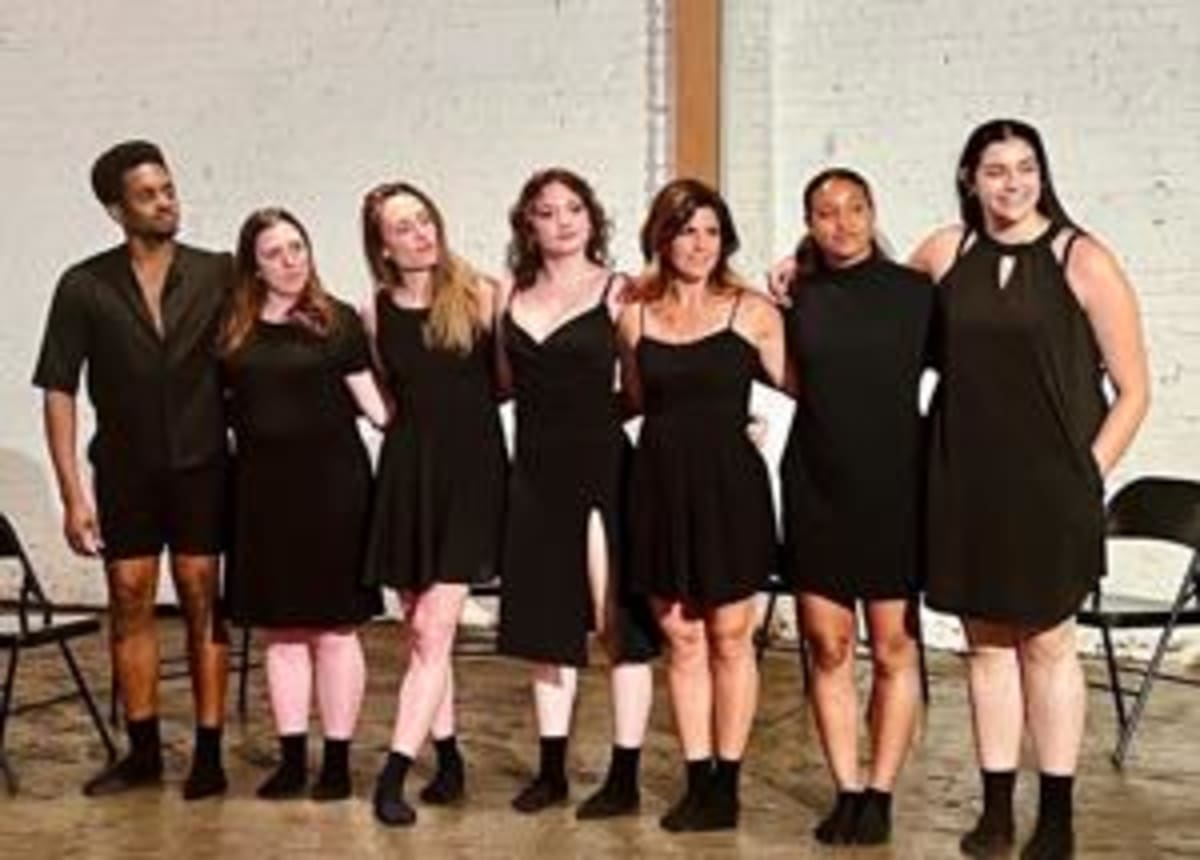
Events like Charlottesville's community-driven Night Out are illustrating a transformative truth: true healing often happens in communal spaces where people gather not just to talk, but to create, taste, move, and connect. By bringing mental health awareness out from behind closed doors and into vibrant public gatherings focused on cuisine, dance, and creative arts, communities are reshaping how we process trauma, manage chronic stress, and build lasting resilience.
The Intersection of Culture, Community, and Psychological Wellness
Mental wellness challenges do not occur in a vacuum, and neither does recovery. Modern research in public health consistently shows that social isolation is as detrimental to physical and emotional longevity as smoking or sedentary living. Grassroots initiatives—such as community nights out centered around wellness—act as powerful antidotes to this silent epidemic.
When an evening integrates cultural expression with open dialogue around emotional health, it dismantles the persistent stigma that often prevents people from seeking help. Gathering over shared sensory experiences provides a low-barrier, welcoming entry point where participants can explore emotional restoration without the intimidation of clinical formality.
Culinary Therapy: Nourishing the Body to Restore the Mind
Food is never merely biological fuel; it is deeply tied to memory, emotional safety, and physical chemistry. The emerging discipline of nutritional psychology and culinary therapy highlights why cooking and dining together play such a pivotal role in emotional balance.
The Gut-Brain Axis and Mood Regulation
Our digestive system and our brain are in continuous, bidirectional communication via the vagus nerve. Often referred to as the 'second brain,' the gut produces approximately 90% of the body's serotonin, a vital neurotransmitter responsible for stabilizing mood, curbing anxiety, and regulating sleep cycles. Whole foods, traditional preparation methods, and mindful eating habits support a diverse microbiome that directly buffers against depression and stress reactivity.
Mindful Engagement in the Kitchen
Beyond biochemistry, the tactile act of chopping, seasoning, stirring, and plating demands focused presence. Psychologists frequently recommend culinary activities because they naturally engage all five senses, effectively grounding overstimulated nervous systems. When prepared in community settings, food transforms into an act of mutual care that honors heritage and nurtures belonging.
Somatic Release: Why Dance Reaches Where Words Fall Short
Trauma and chronic emotional stress do not live solely in our cognitive thoughts; they register deeply in our physiology. As trauma experts frequently emphasize, the nervous system stores unprocessed tension in muscles, fascia, and breathing patterns. This is precisely why movement modalities like dance serve as potent therapeutic tools.
Bypassing the Analytical Mind
Talk therapy relies on Broca's area—the language center of the brain. However, intense grief, anxiety, and traumatic memories can shut down verbal pathways, leaving individuals feeling stuck or unable to articulate their pain. Rhythmic movement, whether structured choreography or expressive freeform dance, allows the body to release stored cortisol and mobilize survival energy without demanding verbal explanations.
The Power of Collective Synchrony
When people move to music together in a shared space, a phenomenon known as biobehavioral synchrony occurs. Heart rates align, breathing harmonizes, and the brain releases endorphins alongside oxytocin—the hormone responsible for bonding and trust. Moving side-by-side with neighbors transforms a solitary struggle into a shared human experience, grounding the nervous system in collective safety.
Art as an Emotional Mirror: Processing Without Judgment
Visual arts offer another profound avenue for emotional release. Creating or witnessing art stimulates neuroplasticity—the brain's capacity to form new neural connections—while calming the hyperactive amygdala, which triggers fight-or-flight responses.
- Non-Verbal Externalization: Putting brush to canvas or sculpting raw materials allows individuals to externalize complicated internal feelings, making them manageable and visible.
- State of Flow: Engaging deeply in creative flow quiets the default mode network (DMN) in the brain, the neural system responsible for repetitive rumination and self-criticism.
- Cultivating Agency: Making creative decisions on a canvas provides an immediate sense of control and accomplishment, which is vital for anyone recovering from emotional burnout or depression.
Bringing the Spirit of Healing Into Your Everyday Life
You don't need a formal community festival to incorporate the restorative benefits of food, movement, and art into your weekly wellness routine. Here are practical ways to harness these modalities for your own mental well-being:
- Host a Mindful Potluck: Invite friends or neighbors to share a meal made from scratch, asking each person to share the story or memory connected to their chosen dish.
- Embrace Unfiltered Movement: Set a timer for ten minutes, play music that matches your current emotional state, and allow your body to move intuitively without caring what it looks like.
- Keep a Visual Journal: Replace traditional written journaling once a week with sketches, watercolors, or collages that reflect how your week felt rather than what you accomplished.
- Engage in Local Culture: Seek out community events that highlight neighborhood artists and cultural groups to stay anchored in supportive local networks.
Key Takeaways
- Holistic Mental Health: Effective healing addresses both cognitive and somatic needs through sensory, emotional, and physical outlets.
- De-Stigmatizing Care: Community-oriented events lower barriers to mental health conversations, making support accessible and relatable.
- Nervous System Regulation: Cooking stimulates mindful presence and gut-brain wellness, dance releases trapped physical tension, and art provides non-verbal emotional processing.
The lessons emerging from Charlottesville remind us that taking care of our mental health is not a solitary chore relegated to clinical appointments. When communities weave wellness into the fabric of daily life through the foods we share, the steps we dance, and the art we create, healing becomes a shared, joyful, and deeply sustainable reality.
Source Attribution: Article content originally reported by dailyprogress. Read original story coverage on dailyprogress →

Elena Rostova
WelloraDaily Editorial Team