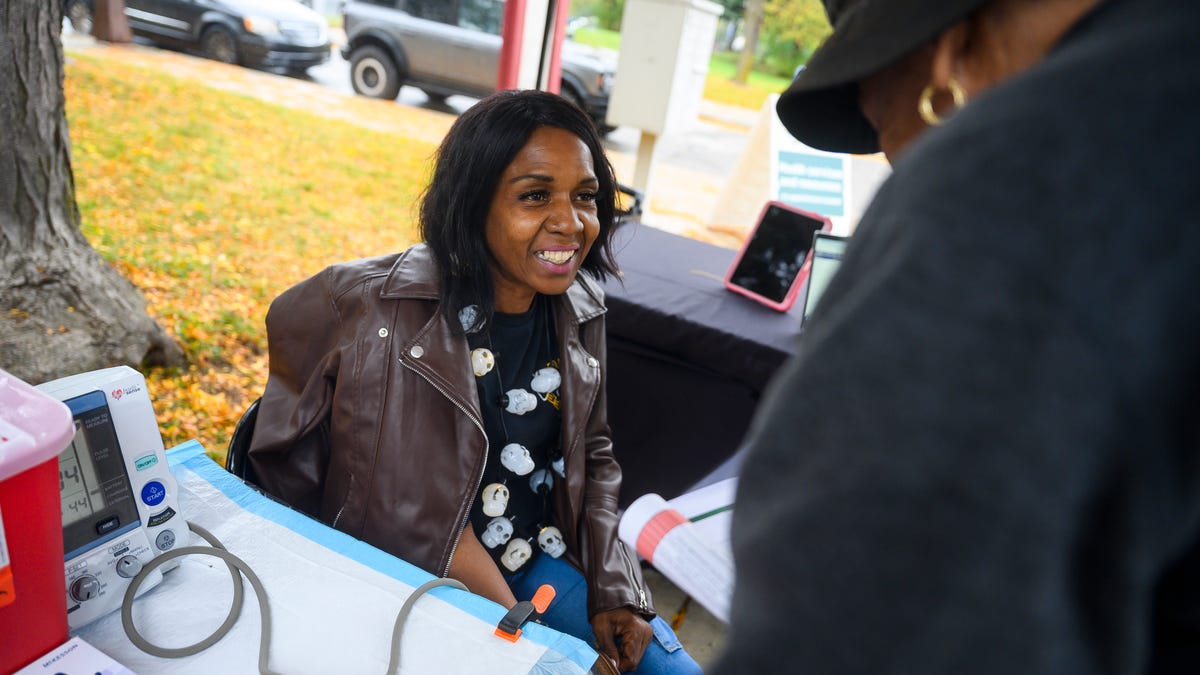
A Community-First Approach to Heart Health: Inside the Landmark Initiative Combatting Heart Disease in Detroit
When we look at the national conversation surrounding heart health, it is easy to get caught up in high-tech surgical breakthroughs and novel pharmaceuticals. Yet, the most decisive battles against cardiovascular mortality are rarely fought solely inside an operating room. Instead, they unfold on neighborhood streets, inside local community centers, and at the dining tables of families trying to navigate daily life.
In Detroit, the urgency of this reality cannot be overstated. Cardiovascular disease remains the leading cause of death across the region, claiming lives at rates significantly higher than both state and national averages. To address this persistent crisis, an impactful new partnership has emerged: Corewell Health and Meharry Medical College have joined forces to launch an initiative designed to curb heart disease in Detroit. Rather than imposing prescriptive, top-down medical directives, this landmark collaboration focuses on a pivotal strategy: working directly alongside residents to co-create lasting, grassroots solutions.
Understanding the Anatomy of Detroit's Cardiovascular Crisis
Heart disease does not affect every community equally. In urban centers like Detroit, elevated cardiovascular death rates are deeply intertwined with complex social determinants of health. These non-medical factors exert a profound influence on long-term physical outcomes, often dictating whether an individual has the resources to prevent a heart attack before it occurs.
Cardiologists frequently describe heart disease as a silent, cumulative condition. Decades of chronic stress, limited access to affordable nutrient-dense groceries, environmental pollutants, and gaps in primary healthcare infrastructure can steadily accelerate atherosclerosis, hypertension, and heart failure. When these pressures are concentrated within specific zip codes, the biological impact becomes a community-wide emergency.
By acknowledging that clinical treatment alone cannot resolve these deep-rooted inequalities, the alliance between Corewell Health—one of Michigan's largest integrated healthcare systems—and Meharry Medical College represents a critical paradigm shift. Meharry, based in Nashville, Tennessee, stands as one of the nation’s oldest and most respected historically Black academic health science centers, bringing decades of unparalleled expertise in health equity, urban public health, and culturally resonant care.
Why Community-Driven Interventions Make the Difference
For decades, traditional healthcare outreach programs have often relied on a paternalistic framework: health systems arrive in an underserved neighborhood, distribute generic pamphlets, offer one-time screenings, and quickly depart. Research has consistently demonstrated that this transactional approach rarely moves the needle on long-term health outcomes.
The Corewell Health and Meharry Medical College model flips this dynamic on its head. True community collaboration is grounded in shared leadership, active listening, and sustainable capacity building. When medical institutions engage community leaders, faith-based organizations, and local families as co-architects of health programs, the solutions developed are naturally attuned to the real barriers residents face daily.
Key Pillars of Modern Community Cardiology:
- Hyper-Local Preventive Screenings: Meeting residents where they already gather—such as barbershops, churches, and neighborhood recreation centers—to identify high blood pressure and prediabetes before they cause irreversible vascular damage.
- Culturally Meaningful Wellness Education: Moving beyond generic diet advice toward realistic nutritional strategies that honor culinary traditions while prioritizing cardiovascular protection.
- Navigating Social Barriers: Connecting patients with trusted community health workers who can help troubleshoot transportation challenges, prescription costs, and housing stability.
- Empowering Local Health Champions: Training community members to serve as health ambassadors, fostering peer-to-peer discussions that demystify cardiovascular care and reduce medical mistrust.
The Underlying Physiology: Why Early Action Matters
To appreciate why community-level intervention is so vital, it helps to review the biological timeline of cardiovascular disease. High blood pressure (hypertension), elevated LDL cholesterol, and chronic systemic inflammation do not cause dramatic pain in their initial stages. An individual can live with severely elevated arterial pressure for years without feeling outwardly sick.
However, beneath the surface, that unrelenting pressure steadily damages the delicate endothelial lining of the blood vessels. This microscopic injury allows cholesterol particles to penetrate arterial walls, triggering an immune response that forms calcified plaque. Over time, arteries narrow and stiffen, paving the way for heart attacks, ischemic strokes, and vascular dementia.
When public health initiatives successfully detect hypertension and metabolic dysfunction in community settings, simple lifestyle adjustments and foundational medications can halt this destructive cascade. Preventing a single cardiac event not only saves a life, but also spares families from catastrophic medical debt and the emotional trauma of losing a loved one prematurely.
Building Daily Heart Resilience: Actionable Takeaways for Everyone
While large-scale institutional partnerships like the one between Corewell Health and Meharry Medical College work to reshape community environments, heart health also begins with our daily habits. Regardless of where you live, incorporating evidence-based cardiovascular principles can dramatically strengthen your circulatory system.
1. Know Your Key Health Numbers
Never rely on how you feel to assess your cardiovascular health. Make it a priority to regularly check your blood pressure, resting heart rate, fasting blood glucose, and lipid panel. Aim to keep blood pressure readings below 120/80 mmHg, and discuss any personal risk factors with a qualified medical provider.
2. Focus on Dietary Diversity and Fiber
Rather than adopting overly restrictive diets, focus on adding protective foods to your plate. Soluble fiber—found abundantly in oats, beans, lentils, flaxseeds, and leafy vegetables—acts like a sponge in the digestive tract, binding to cholesterol particles and escorting them out of the body before they can reach the bloodstream.
3. Prioritize Daily Functional Movement
You do not need an expensive gym membership to build a resilient heart. Brisk walking for 30 minutes a day has been shown to enhance arterial elasticity, lower baseline cortisol, and boost nitric oxide production, which naturally relaxes blood vessels.
4. Manage Chronic Stress and Sleep Debt
Prolonged psychological stress keeps the sympathetic nervous system on high alert, flooding your vascular system with adrenaline and cortisol. Strive for seven to eight hours of quality sleep nightly, and practice intentional stress-reduction techniques, whether through breathwork, mindfulness, or social connection.
Looking Ahead: A Blueprint for Nationwide Health Equity
The joint initiative led by Corewell Health and Meharry Medical College in Detroit offers more than localized hope; it serves as a viable blueprint for urban centers across the United States. When established regional healthcare networks combine their clinical resources with the deep equity expertise of institutions like Meharry, the possibilities for transformative change are immense.
By treating community members not merely as patients, but as essential partners in health design, we move closer to a future where zip codes no longer dictate life expectancy. Reducing heart disease requires empathy, sustained investment, and an unwavering commitment to listen to the voices on the ground. Through collaborative efforts like this, Detroit is charting a course toward lasting wellness, one heartbeat at a time.
Source Attribution: Article content originally reported by The Detroit News. Read original story coverage on The Detroit News →

Elena Rostova
WelloraDaily Editorial Team