Do Digital Weight Loss Programs Actually Work? Major Study Shows Real-World GLP-1 Success in Over 8,000 Women
If you have followed health and wellness news over the past two years, you know that GLP-1 receptor agonists have completely transformed modern conversations around weight management and metabolic health. Medications like semaglutide and liraglutide have dominated headlines, backed by glowing results from rigorous clinical trials. But a lingering question has persistently hovered over the conversation: what happens when these powerful medications move out of tightly supervised laboratory environments and into messy, busy, everyday life?
Historically, there has often been a noticeable drop-off between clinical trial outcomes and real-world results. People forget doses, struggle with side effects, miss appointments, or drop out entirely without the constant oversight of academic researchers. However, a landmark study published in Nature Medicine offers reassuring news for anyone seeking metabolic care outside traditional doctor’s offices.
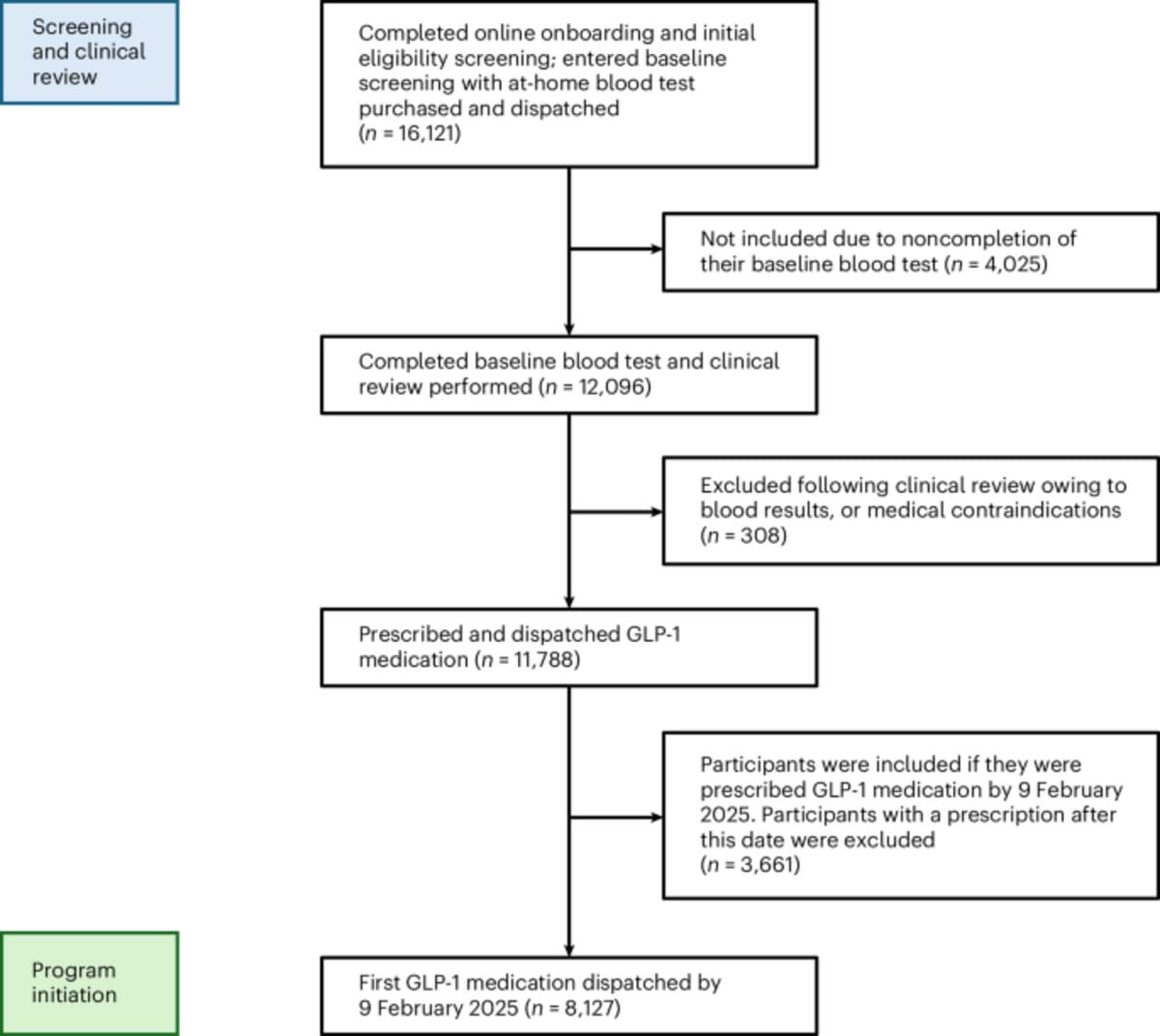
Evaluating a massive cohort of 8,127 women in the United Kingdom, researchers discovered that delivering GLP-1 receptor agonist therapy through a digital-first healthcare platform produced weight reduction at six months that rivaled the results seen in gold-standard randomized clinical trials. Let’s break down what this groundbreaking research reveals, why it matters, and what it means for the future of personalized wellness.
Bridging the Gap: Efficacy Versus Real-World Effectiveness
In medical research, scientists draw a sharp distinction between two words that sound nearly identical: efficacy and effectiveness.
Efficacy refers to how well a treatment performs under perfect, idealized circumstances—such as a randomized controlled trial (RCT) where participants are carefully selected, incentivized, provided with free medication, and checked on weekly. Effectiveness, on the other hand, measures how well that same treatment performs in the real world, where patients juggle careers, families, out-of-pocket costs, and real-life stress.
Until recently, many clinicians wondered whether digital telehealth platforms could provide enough high-touch support to mirror the efficacy of traditional trials. Could an app, virtual consultations, and remote monitoring really replicate the structure of an academic medical center? The findings in Nature Medicine answer with a resounding yes. At the six-month mark, the 8,127 women in the study demonstrated an average weight reduction fully comparable to benchmark randomized clinical trials, proving that remote, digital-first interventions can successfully translate clinical promises into daily reality.
Why a Female-Focused Cohort Matters
It is particularly significant that this large-scale study concentrated specifically on women. Biological differences, fluctuating hormonal environments, and metabolic variations mean that weight management is rarely one-size-fits-all.
Women navigate distinct metabolic milestones throughout their adult lives, including polycystic ovary syndrome (PCOS), perimenopause, and postmenopausal metabolic shifts—all of which influence insulin sensitivity, fat distribution, and satiety signaling. By examining more than 8,000 women engaging with GLP-1 therapy via digital pathways, the researchers captured a rich picture of how modern women integrate these therapies into their lives.
GLP-1 receptor agonists function by mimicking natural incretin hormones produced in the gut. They stimulate insulin secretion when blood sugar levels rise, slow down gastric emptying to prolong feelings of fullness, and interact with the brain’s hunger centers to reduce persistent food cravings, often referred to as "food noise." For women who have spent decades battling intense hormonal hunger signals or metabolic resistance, having access to effective, remote care can be life-changing.
The Core Elements of Successful Digital-First Care
What makes a digital platform successful enough to match the rigorous standards of a clinical trial? While receiving the medication itself is essential, the architecture surrounding its delivery is just as critical. In well-designed digital care pathways, technology is not a barrier; it is a bridge.
- Timely Side-Effect Management: The most common hurdles with GLP-1 therapies are gastrointestinal side effects, such as mild nausea, acid reflux, or constipation, especially during dose titration. Digital platforms allow patients to report symptoms instantly and receive swift guidance on dosage adjustments or symptom relief, preventing premature discontinuation.
- Integrated Lifestyle Support: Medication alone is not a permanent solution for long-term vitality. The most effective virtual models integrate nutritional guidance, encouraging adequate protein intake and micronutrient density alongside pharmacotherapy.
- Frictionless Accountability: Routine digital check-ins, weight tracking, and continuous asynchronous messaging provide steady accountability without the burden of taking time off work to sit in a clinic waiting room.
Actionable Considerations If You Are Exploring GLP-1 Therapy
Whether you are already working with a healthcare provider virtually or simply exploring your options, navigating metabolic treatment requires a thoughtful, proactive strategy. Keep these fundamental practices in mind:
1. Prioritize Muscle Mass and Protein Intake
Rapid weight loss can lead to muscle loss alongside fat reduction if you are not mindful. To protect your resting metabolic rate and functional strength, aim to prioritize high-quality protein at every meal and incorporate regular resistance training two to three times a week.
2. Focus on Slow, Steady Titration
More is not always better. The goal of GLP-1 therapy is to find the minimum effective dose that provides appetite regulation without unbearable gastrointestinal distress. Work closely with your clinical provider to adjust your dose at a steady, manageable pace.
3. Build Sustainable Daily Habits
Think of GLP-1 therapies not as a magic cure, but as a biological tool that creates the mental and physical bandwidth to establish sustainable lifestyle patterns. Use the reduction in appetite to cultivate mindful eating, improve sleep quality, manage chronic stress, and stay consistently hydrated.
Key Takeaways from the Research
- Proven Real-World Success: In a cohort of 8,127 UK women over six months, digital-first GLP-1 therapy yielded weight reduction results comparable to those found in formal clinical trials.
- Telehealth Works: Remote monitoring, app-based check-ins, and virtual clinical oversight can effectively support patients through the critical initial stages of treatment.
- Comprehensive Care Is Essential: Long-term success relies on combining medical intervention with lifestyle adaptation, side-effect management, and patient education.
The Future of Modern Healthcare
The findings from Nature Medicine represent more than just a victory for weight management; they mark an exciting evolution in how we deliver modern healthcare. When high-touch clinical expertise meets accessible digital technology, quality care is no longer confined to traditional hospital walls.
As metabolic medicine continues to progress, real-world data like this provides crucial reassurance. With the right clinical oversight, evidence-based medication, and daily digital support, meaningful and lasting health improvements are well within reach.
Source Attribution: Article content originally reported by Deanfield; John; Wong; Jamie Lai Chun; Katsoulis; Michail; Emma; Thakkar; Raj; Patel; Riyaz; Joy; Rachael; Noble; Matthew; Ryan; Donna H. Read original story coverage on Deanfield; John; Wong; Jamie Lai Chun; Katsoulis; Michail; Emma; Thakkar; Raj; Patel; Riyaz; Joy; Rachael; Noble; Matthew; Ryan; Donna H →

Elena Rostova
WelloraDaily Editorial Team