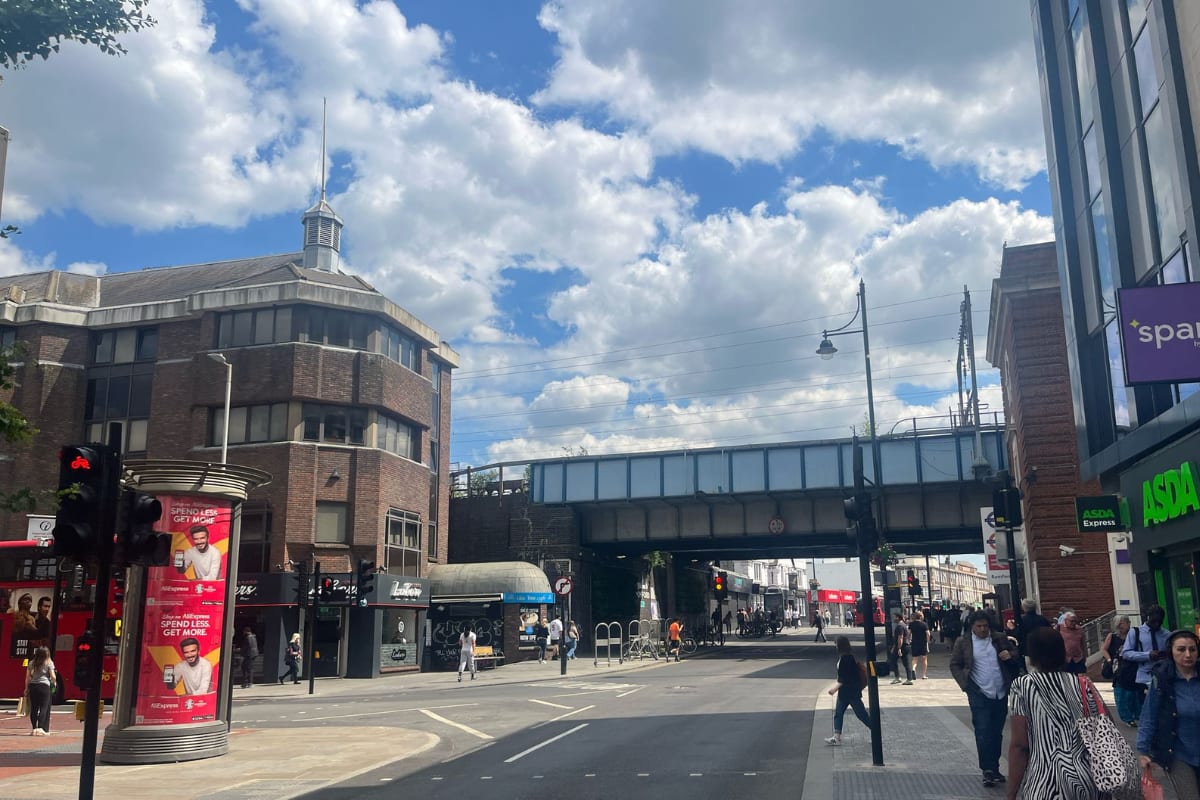
The Anatomy of an Unhealthy Street: What Havering's Ranking Reveals About Suburban Wellness
When you step out your front door, what does your street invite you to do? Does it beckon you to lace up your trainers, walk to the local shops, and greet your neighbours, or does it funnel you straight into a vehicle surrounded by congested traffic and tarmac? For residents living in Havering, London's easternmost borough, the built environment has once again come under scrutiny after recent assessments ranked its streets among the least healthy in the capital.
While urban street health evaluations often spark debate between local councils and transport advocates, the underlying message is clear: the physical design of our neighbourhoods plays an undeniable role in determining our long-term physical, mental, and cardiovascular wellbeing. Even with several bright spots highlighted in the findings, Havering's ongoing battle with car dominance and active travel infrastructure offers a vital case study in modern suburban wellness.
Decoding the 'Healthy Streets' Framework
To understand why Havering found itself near the bottom of London's street health rankings, it helps to look at how urban health is measured. In London, street assessments look far beyond simple aesthetics or litter. Instead, they track how public thoroughfares either encourage or deter healthy, active human behavior on a daily basis.
Key indicators typically include:
- Active Travel Provision: The availability, quality, and safety of dedicated cycling paths and pedestrian pavements.
- Air and Noise Quality: Exposure levels to nitrogen dioxide (NO2), fine particulate matter (PM2.5), and chronic traffic noise.
- Road Safety and Traffic Calming: Measures such as 20mph zones, pedestrian crossings, and school street closures designed to protect vulnerable road users.
- Public Transit Integration: Accessibility to reliable train, bus, and tube networks that minimize the necessity of private car ownership.
- Street Greenspace and Shade: The presence of street trees, pocket parks, and resting places that foster outdoor social interaction.
Inner London boroughs often dominate the top of these rankings due to high density, comprehensive transport links, and aggressive implementation of low-traffic initiatives. In contrast, outer suburban boroughs like Havering face unique structural challenges that make the transition to pedestrian-friendly spaces significantly more complex.
The Outer-Borough Dilemma: Why Havering Faces Higher Hurdles
Havering possesses a distinctly different character from the urban core of London. Spanning historic market towns like Romford and Hornchurch to semi-rural expanses reaching into the Essex countryside, the borough is geographically vast and relatively low in density. For decades, suburban planning prioritised rapid vehicular movement over footpaths, resulting in high levels of car dependency.
In many parts of the borough, essential amenities such as supermarkets, clinics, and transit hubs are positioned beyond comfortable walking distances for families and older adults. Without high-frequency public transit readily accessible on every doorstep, driving naturally becomes the default choice for daily errands. This cycle fuels higher traffic volumes, which in turn makes cycling or walking feel less safe for ordinary residents.
The Silver Linings: Acknowledging Havering's 'Few Positives'
Despite ranking poorly in structural active travel metrics, reports assessing Havering's environment consistently note that the picture is not entirely bleak. The borough holds distinct advantages that many inner-city areas desperately lack, particularly regarding natural capital and environmental heritage.
Havering boasts an exceptional abundance of open green space. Parks such as Bedford's Park, Hornchurch Country Park, and the extensive Ingrebourne Valley provide vast natural sanctuaries with clean air, biodiversity, and dedicated recreational paths. Unlike inner-city residents living in high-density flats, many Havering households enjoy private gardens, lower housing density, and immediate access to expansive nature reserves.
Furthermore, town centres like Hornchurch and sections of Romford maintain vibrant cultural and commercial hubs where pedestrian activity remains strong. The presence of these active nodes proves that suburban communities can foster healthy street life when local infrastructure prioritises accessibility.
The Hidden Health Toll of Car-Centric Streetscapes
Why should residents care where their borough falls on a street scorecard? The connection between suburban layout and human physiology is well-documented by epidemiologists. When our immediate surroundings make incidental exercise difficult, public health metrics predictably decline.
Chronic car dependency is directly linked to sedentary lifestyles, which significantly increase the risk of type 2 diabetes, coronary heart disease, and hypertension. Even short, daily trips made on foot or by bicycle provide crucial 'incidental exercise'—the effortless physical activity that keeps baseline metabolic rates healthy.
Additionally, modern vehicular pollution extends beyond tailpipe emissions. Brake dust, tyre wear, and resuspended road dust generate tiny airborne particles that irritate respiratory passages, exacerbate asthma, and elevate systemic inflammation. Chronic road noise also disrupts sleep quality and triggers persistent elevations in cortisol, the body's primary stress hormone.
Actionable Steps: Reclaiming Your Health in a Car-Heavy Environment
While macro-level urban planning changes require sustained civic advocacy and council funding, residents do not need to wait for street transformations to protect their wellbeing. Here are practical ways to cultivate an active, healthy routine in suburban settings:
- Leverage Borough Green Corridors: Reroute your walks through Havering's country parks and valley trails rather than along primary arterial A-roads to avoid particulate pollution and traffic stress.
- Turn Short Errands into Micro-Walks: For journeys under one mile, challenge yourself to leave the car at home. A brisk 15-minute walk to pick up morning essentials significantly boosts daily cardiovascular health.
- Embrace Off-Road Cycling: If major roads lack protected cycle lanes, explore designated park networks and dedicated towpaths for leisure and exercise without the stress of mixed traffic.
- Engage with Local Consultations: Borough councils frequently hold public consultations regarding School Streets, pedestrian crossings, and park revamps. Constructive community feedback helps shape safer local streets.
- Create Pockets of Greenery: Counterbalance paved front driveways by planting hedges, trees, or flowering shrubs, which naturally absorb ambient street noise and filter roadside dust.
Key Takeaways for Suburban Communities
The latest rankings for Havering serve as a constructive reminder that public health begins at our curbside. While the borough possesses outstanding natural parks and resilient community centres, bridging the gap between suburban convenience and active living remains an urgent priority.
Creating a truly healthy borough does not require eradicating cars entirely; rather, it demands balanced streetscapes where walking to school, cycling to the station, and breathing fresh air are realistic and safe options for every resident.
Source Attribution: Article content originally reported by romfordrecorder_uk. Read original story coverage on romfordrecorder_uk →

Elena Rostova
WelloraDaily Editorial Team